
Chiropractic Care for Adults With Scoliosis

A scoliosis diagnosis does not disappear when you finish growing. For many adults, the curve itself may have been stable for years, but the effects become harder to ignore: one-sided low back pain after a workday, neck tension, stiffness when getting out of the car, fatigue with standing, or a feeling that your body is working harder than it should. Chiropractic care for scoliosis adults can be part of a thoughtful plan to improve spinal function, relieve stress on irritated tissues, and help you move with more confidence.
The goal is not to make promises about “straightening” every adult spine. Adult scoliosis is complex, and every curve has a different history. The better question is: What is driving your discomfort and limiting your daily life right now? Corrective chiropractic care looks beyond the X-ray finding to get to the root of the problem.
Why scoliosis can become more noticeable in adulthood
Scoliosis is a sideways spinal curve that is often accompanied by rotation of the vertebrae. Some people have had it since adolescence. Others develop degenerative scoliosis later in life as discs lose height, joints change, and the spine gradually shifts under years of uneven loading.
A curve does not automatically cause pain. Many adults with scoliosis feel good and remain active. Symptoms tend to appear when the body can no longer compensate well for asymmetrical posture, reduced joint motion, muscle imbalance, disc irritation, arthritis, or old injuries. A curve may place more stress on one hip, one side of the lower back, or one area of the neck and shoulders. That can create a cycle of guarding, limited movement, and recurring flare-ups.
This is why two people with similar-looking X-rays can have very different experiences. One may run, garden, and travel without difficulty, while another struggles to sit through a meeting or sleep comfortably. The treatment plan should reflect the person, not the label alone.
What chiropractic care for scoliosis adults can address
For an adult with scoliosis, chiropractic care is typically focused on improving function rather than chasing a perfect spinal appearance. A careful approach may help reduce mechanical stress, improve mobility in restricted areas, support more balanced posture, and decrease the muscle tension that develops around an uneven spinal curve.
At Natural Medicine & Chiropractic Specialties, care begins with a detailed evaluation of your history, symptoms, posture, spinal movement, and daily demands. If prior imaging is available, it can provide useful context. When appropriate, updated imaging or medical referral may be recommended to better understand the curve, disc health, bone changes, or possible nerve involvement.
Chiropractic BioPhysics-informed corrective care may be used to assess how spinal alignment and postural patterns affect your function. Gentle chiropractic adjustments can help restore motion in joints that are restricted or compensating poorly. The exact technique and frequency should be tailored to your comfort, age, bone health, curve pattern, and current symptoms.
For some patients, supportive therapies are just as important as the adjustment itself. Spinal decompression may be considered when disc-related pain or nerve irritation is part of the picture. Class IV laser therapy, electroanalgesic therapy, or StemWave therapy may be used to support pain relief and tissue recovery in appropriate cases. These options are non-invasive, but they are not automatic add-ons. The right combination depends on the findings of your exam and your goals.
A corrective plan should include more than adjustments
An adjustment can provide meaningful relief, especially when stiffness and joint restriction are contributing to pain. But lasting progress usually requires changing the patterns that keep overloading the spine. For adults with scoliosis, that often means combining hands-on care with targeted rehabilitation and practical lifestyle changes.
Your plan may include posture-focused exercises, mobility work for tight areas, and strengthening for the muscles that help stabilize the trunk, hips, and shoulder girdle. The objective is not to force your body into a rigid position. It is to build better control and endurance so daily movement requires less compensation.
Ergonomic changes can also matter more than people expect. A workstation that encourages you to lean to one side, a car seat that aggravates hip rotation, or a mattress that leaves you stiff every morning can reinforce the same stress pattern for hours at a time. Small adjustments to lifting habits, sitting breaks, footwear, sleep positioning, and exercise choices can support the work being done in the clinic.
Nutrition, sleep quality, inflammation, and metabolic health may also influence how well you recover. They do not cause scoliosis, but they can affect pain sensitivity, energy, muscle recovery, and your ability to stay active. A whole-body approach looks at these contributors rather than treating the painful area in isolation.
What results are realistic?
Many adults seek care because they want less pain, easier movement, better tolerance for work or exercise, and fewer interruptions to the life they enjoy. Those are reasonable goals. Some patients also notice improved posture awareness and greater confidence in activities they had started avoiding.
Results vary. A long-standing structural curve may not change substantially, particularly after skeletal maturity. Degenerative changes, curve severity, disc health, physical conditioning, osteoporosis, and consistency with home recommendations all influence progress. No responsible provider should guarantee that chiropractic care will eliminate scoliosis or prevent every future flare-up.
That does not mean meaningful improvement is out of reach. If your symptoms are being driven by joint restriction, deconditioning, poor movement habits, muscular overload, or disc stress, addressing those factors may help you feel and function significantly better even when the curve remains present. The most useful measure of progress is often not a single number on an X-ray. It is whether you can walk farther, sleep more comfortably, work with less pain, or return to activities that matter to you.
When scoliosis needs medical or surgical evaluation
Chiropractic care can be a valuable conservative option, but it is not the right stand-alone answer for every situation. A coordinated plan may involve your primary care provider, orthopedic specialist, neurologist, physical therapist, or pain-management physician when the findings call for it.
Prompt medical evaluation is especially important for new or worsening leg weakness, numbness that is spreading, loss of bowel or bladder control, unexplained weight loss, fever, severe pain after a fall, or pain that is constant and unrelieved by rest. Adults with known osteoporosis, cancer history, inflammatory disease, or rapidly changing symptoms also need an appropriately cautious evaluation before manual treatment.
If a curve is progressing, nerve compression is significant, or daily function remains severely limited despite conservative care, surgical consultation may be appropriate. Seeking an evaluation does not commit you to surgery. It helps you understand the full range of options and make decisions with clear information.
How to know if a chiropractic evaluation is right for you
You do not need to wait until pain becomes constant to get answers. An evaluation can be helpful if your scoliosis seems connected to recurring back or neck pain, uneven shoulder or hip tension, sciatica-like symptoms, reduced flexibility, frequent headaches, or difficulty returning to exercise after an injury.
Come prepared to discuss when symptoms began, what makes them worse or better, past injuries, current activity level, work demands, and any previous imaging or treatment. Be direct about your goals. Maybe you want to carry your grandchild without guarding your back, train for a 5K, get through a shift without exhaustion, or simply sleep without searching for a comfortable position. Those goals should guide the plan.
Living with scoliosis does not mean accepting pain, stiffness, or shrinking activity as your new normal. With a personalized assessment, conservative care can help identify the mechanical and lifestyle factors keeping your body under stress. The right next step is a clear evaluation and a plan designed around how you want to move, work, and live.

Disc Herniation Recovery Guide: What Helps Healing
Use this disc herniation recovery guide to understand symptoms, treatment options, safe movement, and when personalized care can help you heal well again.
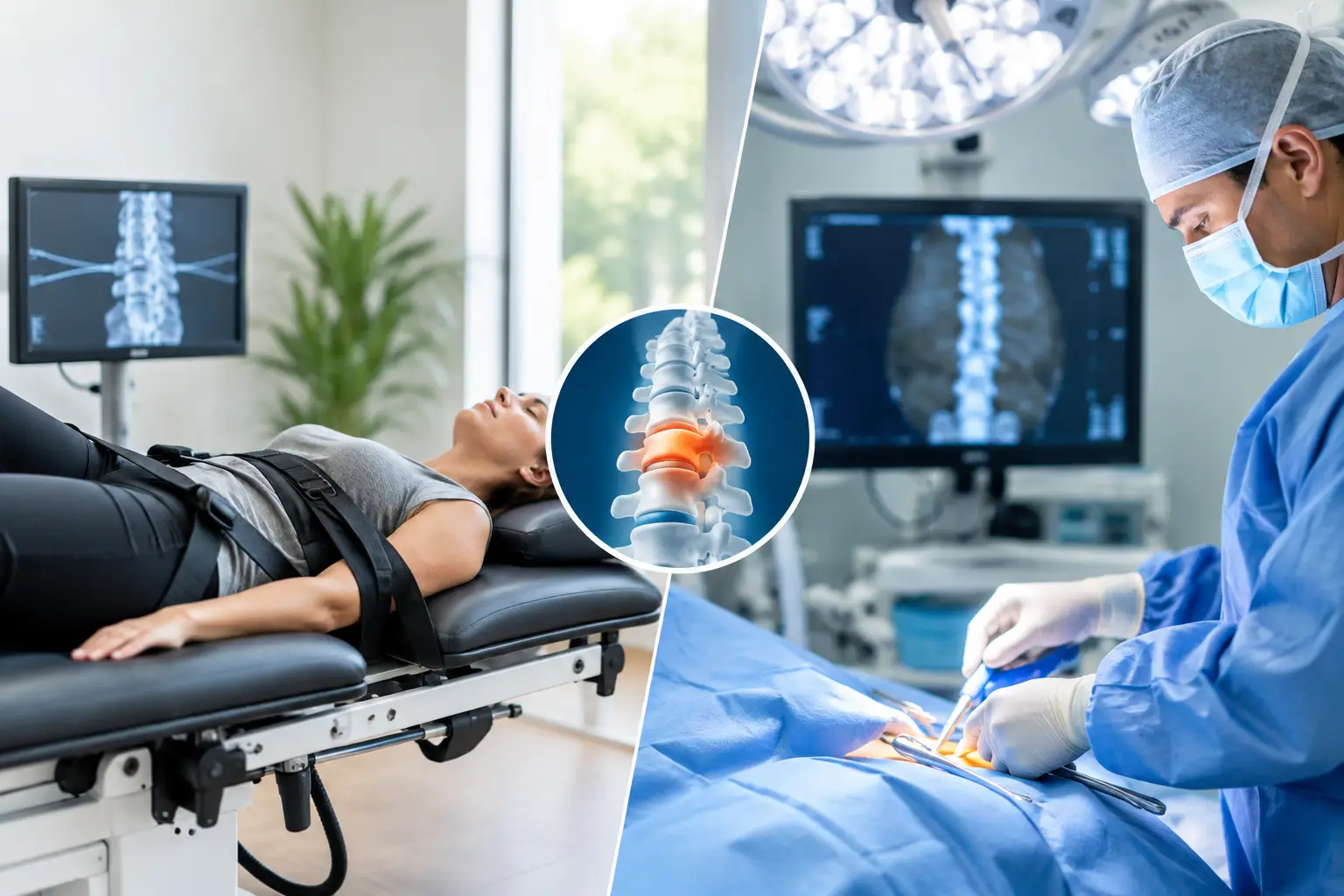
Spinal Decompression Versus Surgery Explained
Compare spinal decompression versus surgery for disc pain, sciatica, and spinal stenosis. Learn who may benefit, when surgery is needed, and next steps.

How to Relieve Pinched Nerve Pain Without Guesswork
Learn how to relieve a pinched nerve with safe home steps, warning signs, and root-cause care that helps restore movement and lasting comfort over time.
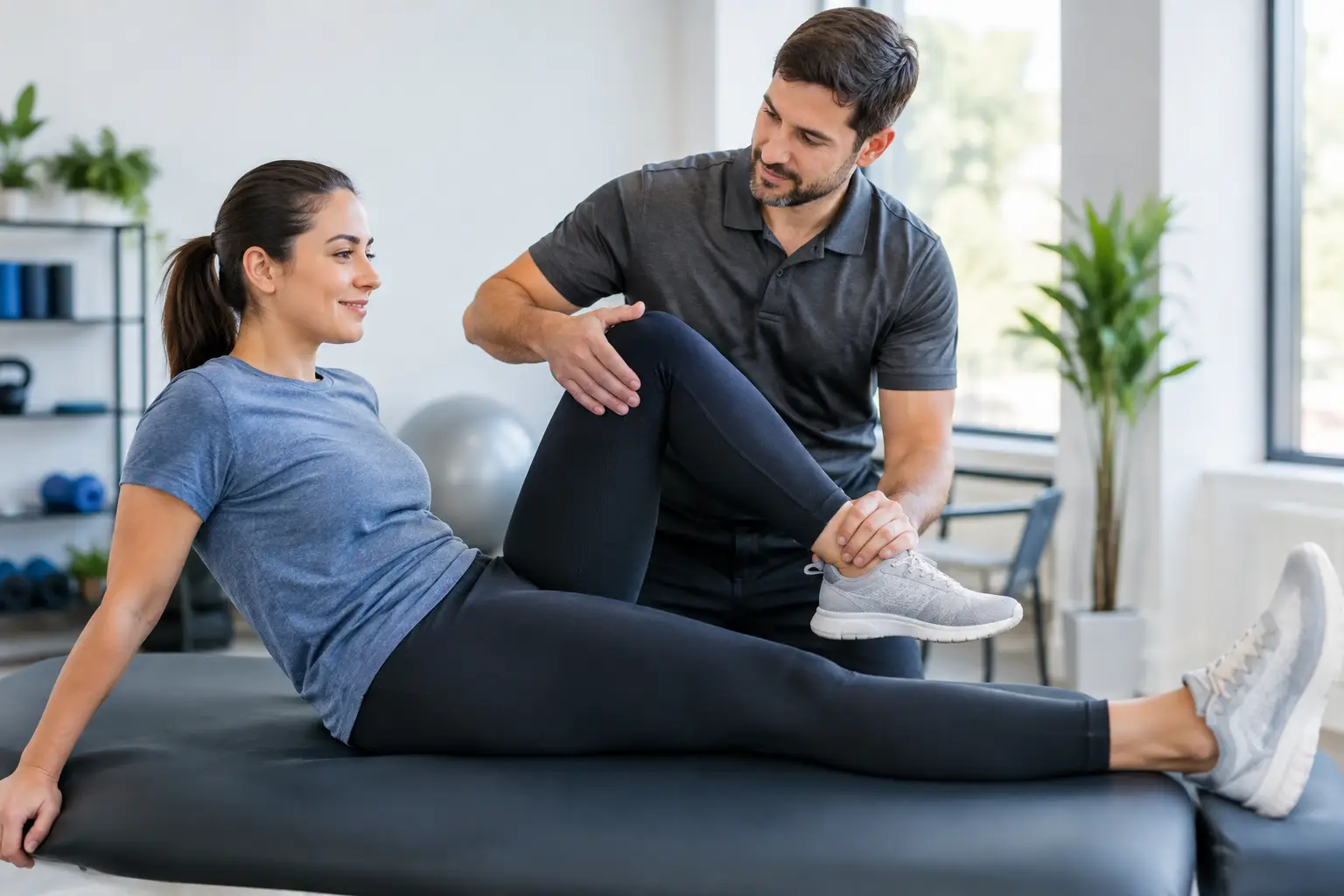
How to Improve Mobility After Injury Safely
Learn how to improve mobility after injury with personalized care that reduces pain, restores movement, and supports a safer, lasting recovery daily, too.
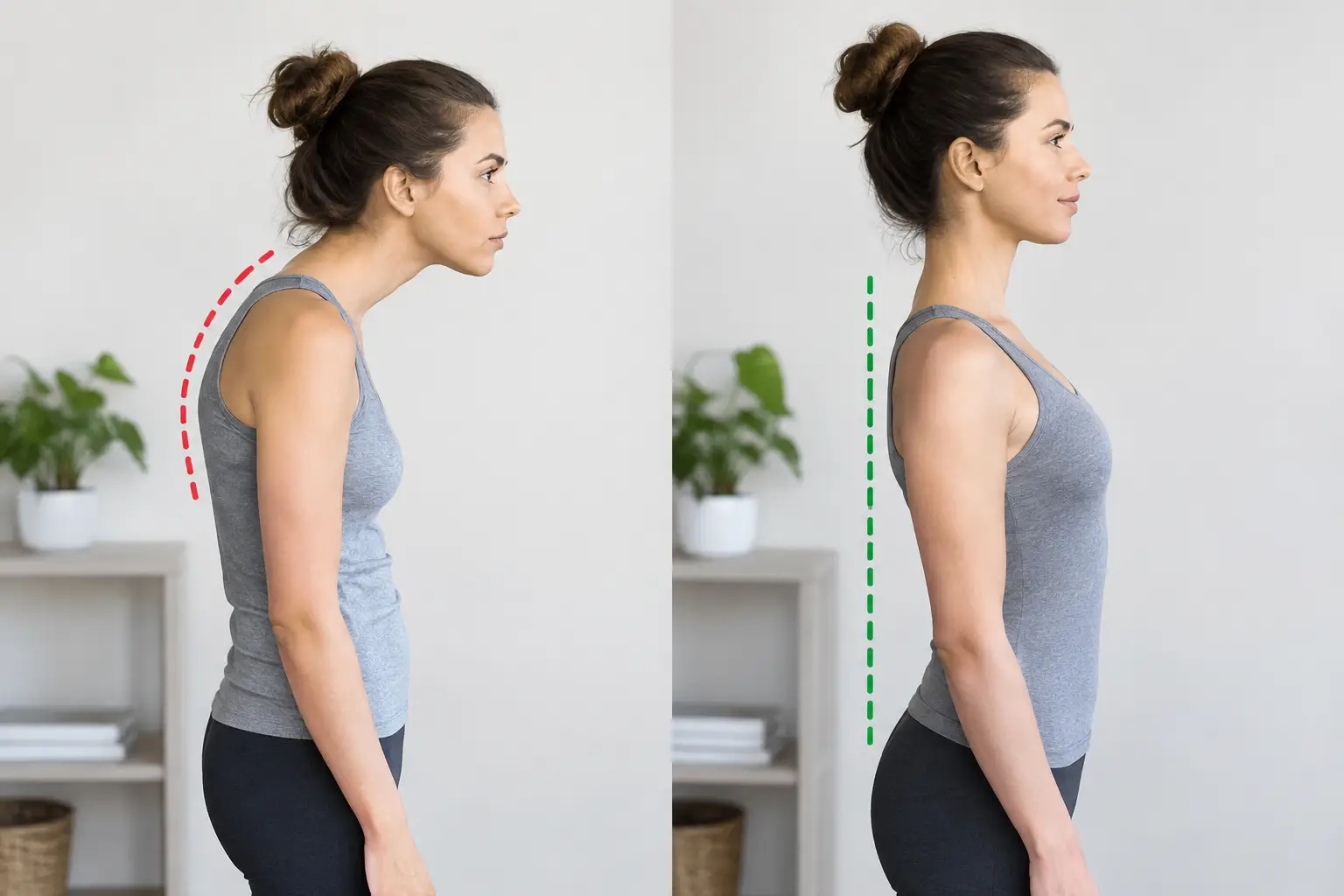
How to Improve Forward Head Posture for Good
Learn how to improve forward head posture with corrective care, simple daily habits, and a plan that helps reduce neck strain and restore movement safely.