
When to See a Chiropractor for Car Accident Injuries

A crash can happen in seconds, but neck stiffness, low back pain, headaches, tingling, or limited movement may not show up until later that day or even several days afterward. Seeing a chiropractor for car accident injuries can help you understand what may be driving your symptoms and begin a personalized, non-invasive plan focused on restoring function – not simply covering up discomfort.
Even a low-speed collision can place significant force on the spine, joints, muscles, and connective tissues. At Natural Medicine & Chiropractic Specialties in Cumming, care begins with listening carefully to what happened, evaluating how your body is functioning now, and getting to the root of the problem.
Why Pain Can Start After the Accident
During a collision, your body may be restrained by a seat belt while your head, neck, and torso move abruptly. This can strain muscles and ligaments, irritate spinal joints, aggravate discs, and create motion patterns that the body tries to compensate for. Adrenaline can also temporarily mask pain, making it easy to assume you are fine immediately after the accident.
Whiplash is one of the most recognized car accident injuries, but it is not limited to neck pain. A person with whiplash may experience headaches, shoulder tightness, upper back pain, dizziness, jaw tension, fatigue, or difficulty turning their head. Others notice low back pain, sciatica-like symptoms, hip pain, numbness, or weakness after the force of impact travels through the body.
Symptoms do not always correlate neatly with the visible damage to a vehicle. What matters is how the force affected your body, your health history, your posture, and your ability to move comfortably afterward. That is why a thorough evaluation matters.
When to See a Chiropractor for Car Accident Injuries
If pain, stiffness, headaches, reduced mobility, numbness, or radiating discomfort develops after a collision, it is reasonable to schedule an evaluation promptly. Early assessment can document your condition, identify areas of restricted movement or irritation, and help you avoid letting protective muscle tension and poor movement patterns become your new normal.
A chiropractor may be especially helpful when you are dealing with persistent neck or back pain, painful movement, muscle spasms, shoulder discomfort, hip pain, or symptoms that interfere with sleep, work, exercise, or daily activities. Corrective chiropractic care can address spinal alignment, joint motion, posture, and the muscular imbalances that often develop after an accident.
However, chiropractic care is not a substitute for emergency care. Seek immediate medical attention for severe or worsening headache, loss of consciousness, confusion, chest pain, shortness of breath, significant weakness, trouble speaking, loss of bladder or bowel control, or severe pain after a crash. Your care should always match the seriousness of your symptoms, and referrals or co-management may be appropriate when needed.
A Root-Cause Approach to Accident Recovery
Temporary relief can be useful, but many people want more than a short break from pain. They want to return to driving without apprehension, look over a shoulder comfortably, sleep through the night, pick up their children, work at a computer, or get back to the activities that make them feel like themselves.
That starts with a complete picture. A personalized consultation may include a review of the accident, current symptoms, previous injuries, work demands, activity level, posture, spinal mobility, and functional limitations. The goal is to identify the underlying contributors to pain and impaired movement rather than treating every injury as though it is identical.
At Natural Medicine & Chiropractic Specialties, Chiropractic BioPhysics-informed corrective care can be part of this process. This approach looks beyond a single painful area to evaluate spinal structure, posture, and compensations that may be placing added stress on the body. A neck that becomes guarded after a collision can affect the shoulders, upper back, low back, and even the way a person walks. Addressing those patterns may support more durable improvement.
Treatment Is Based on Your Injury and Your Goals
There is no one-size-fits-all treatment plan for car accident recovery. The appropriate pace and services depend on the type of injury, how long symptoms have been present, your exam findings, medical history, and how your body responds to care.
Gentle chiropractic adjustments or mobilization may be used to support healthier joint motion and reduce restrictions that contribute to discomfort. Corrective exercises can help rebuild stability, improve posture, and restore confidence in movement. Soft-tissue-focused therapies may also be considered when muscles remain tight, tender, or protective after an impact.
For some patients, advanced non-invasive therapies can complement chiropractic care. Class IV laser therapy may support the body’s healing response and help manage pain and inflammation in irritated soft tissues. Electroanalgesic therapy may be used to help calm pain signals and muscle tension. Shockwave therapy or radial pressure wave technology may be appropriate for certain persistent soft-tissue concerns, while spinal decompression may be considered when disc-related symptoms and spinal loading are part of the clinical picture.
These tools are not automatic add-ons. The best therapy is the one that fits your condition and helps move you toward better function. A thoughtful plan should evolve as your pain, mobility, strength, and daily tolerance improve.
Watch for the Habits That Can Slow Recovery
After an accident, many people either push through pain too quickly or stop moving almost completely. Both can be counterproductive. Avoiding every movement can increase stiffness and deconditioning, while returning to heavy lifting, intense workouts, or long hours in one position before the body is ready can aggravate symptoms.
Small adjustments often make a meaningful difference. Changing positions during computer work, using supportive sleep posture, taking short walks as tolerated, and following prescribed mobility or stability exercises can help your body recover between visits. Nutrition, hydration, sleep, and stress management also matter because they influence inflammation, tissue repair, energy, and pain sensitivity.
If you are already managing chronic neck pain, disc issues, migraines, scoliosis, or previous injuries, a collision can expose old weaknesses. This does not mean recovery is out of reach. It means your care plan should account for the full history rather than focusing only on the most recent painful spot.
What to Bring to Your First Appointment
If available, bring accident details, imaging or medical records, a list of medications and supplements, insurance information, and notes about when symptoms began or changed. It can also help to describe which activities are now difficult, whether that is turning your head while driving, sitting at work, sleeping, climbing stairs, or exercising.
Be honest about symptoms that seem minor. A nagging headache, occasional tingling, or stiffness that only appears at the end of the day can reveal useful patterns during an examination. Clear communication helps your provider build a plan designed around you, not a generic protocol.
You do not have to wait until pain becomes part of your routine. A careful evaluation after a car accident can provide clarity, help protect your mobility, and give you a practical path toward feeling steady, capable, and comfortable in your body again.

Disc Herniation Recovery Guide: What Helps Healing
Use this disc herniation recovery guide to understand symptoms, treatment options, safe movement, and when personalized care can help you heal well again.
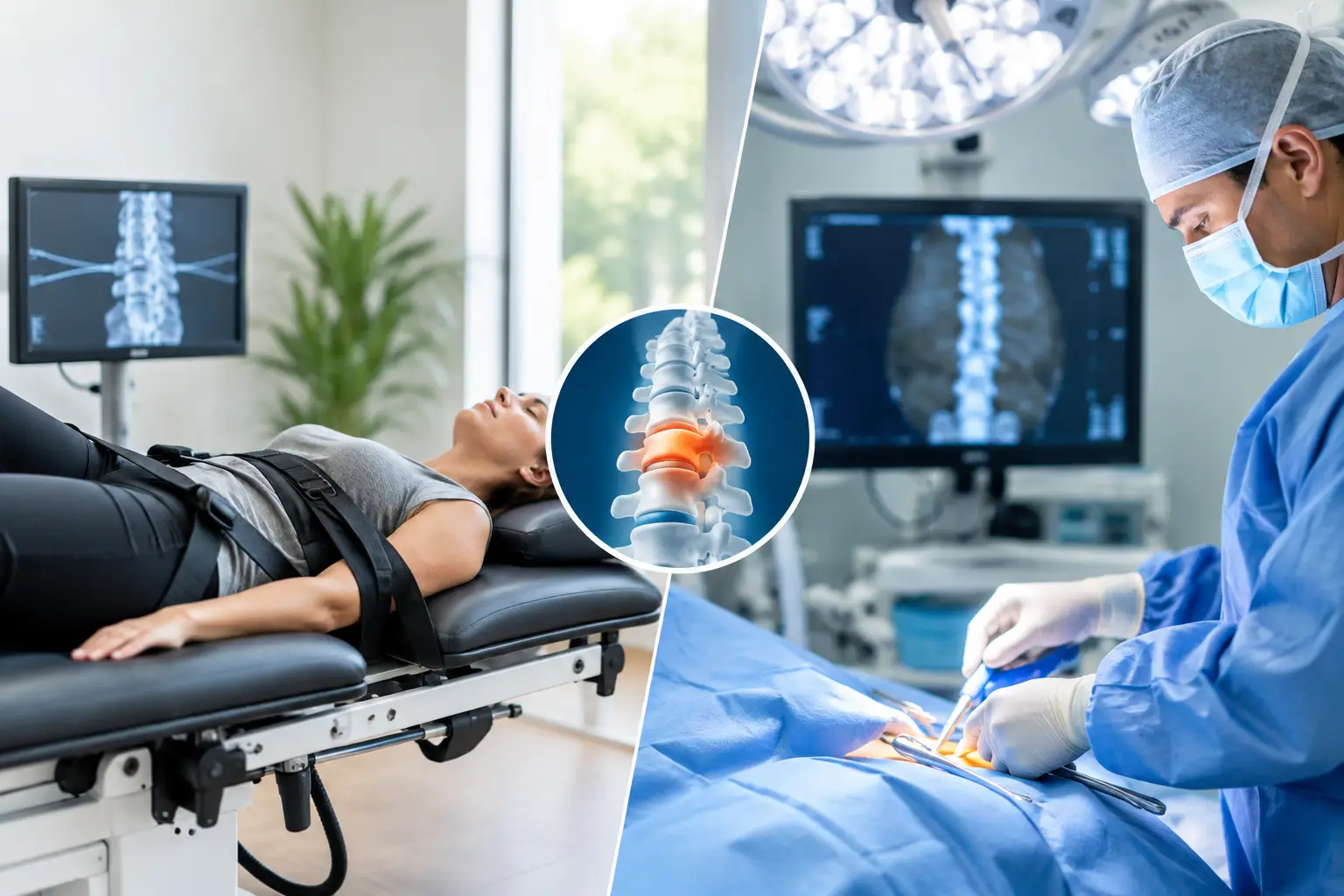
Spinal Decompression Versus Surgery Explained
Compare spinal decompression versus surgery for disc pain, sciatica, and spinal stenosis. Learn who may benefit, when surgery is needed, and next steps.

How to Relieve Pinched Nerve Pain Without Guesswork
Learn how to relieve a pinched nerve with safe home steps, warning signs, and root-cause care that helps restore movement and lasting comfort over time.

How to Improve Mobility After Injury Safely
Learn how to improve mobility after injury with personalized care that reduces pain, restores movement, and supports a safer, lasting recovery daily, too.
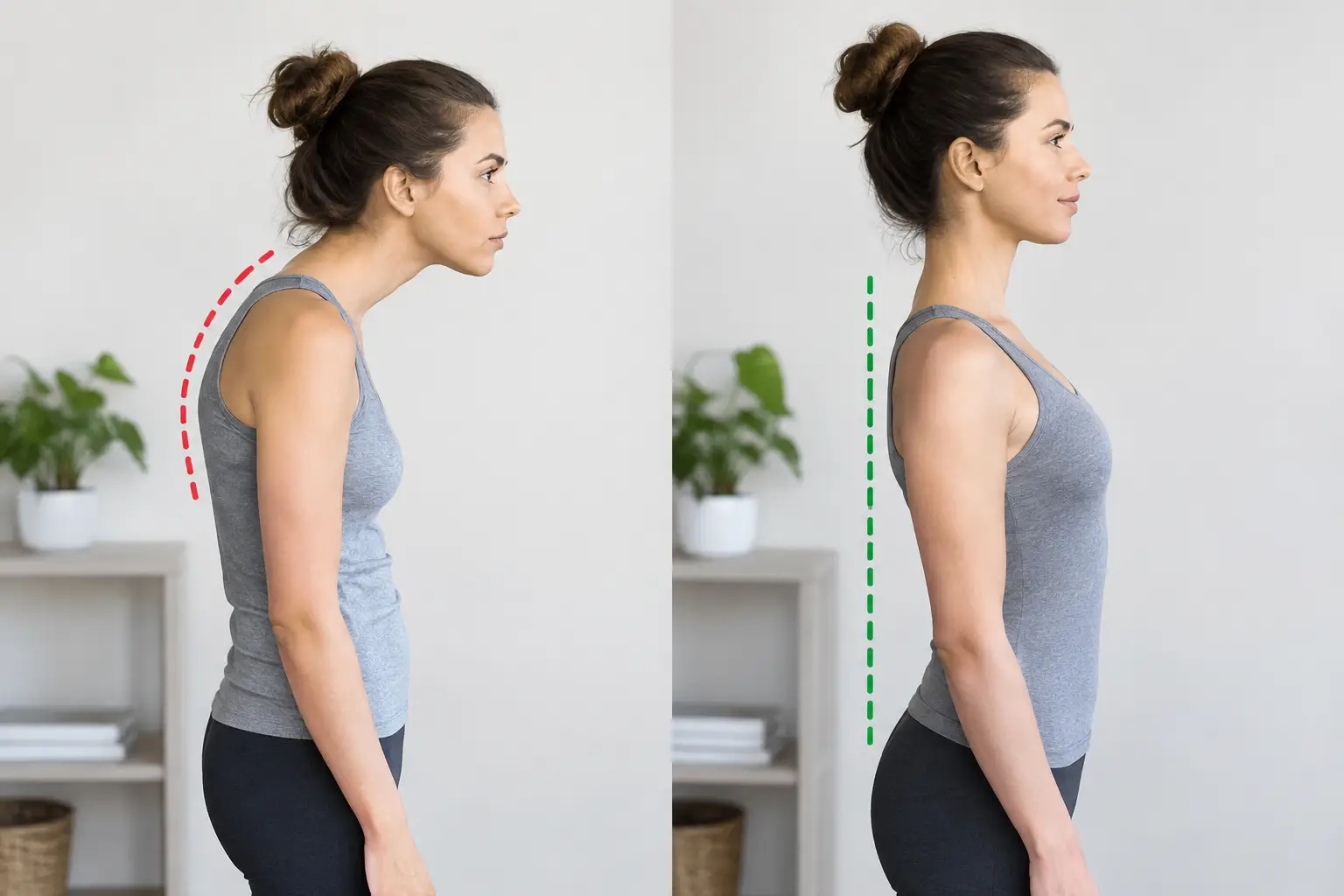
How to Improve Forward Head Posture for Good
Learn how to improve forward head posture with corrective care, simple daily habits, and a plan that helps reduce neck strain and restore movement safely.