
Migraine Chiropractor Cumming for Lasting Relief
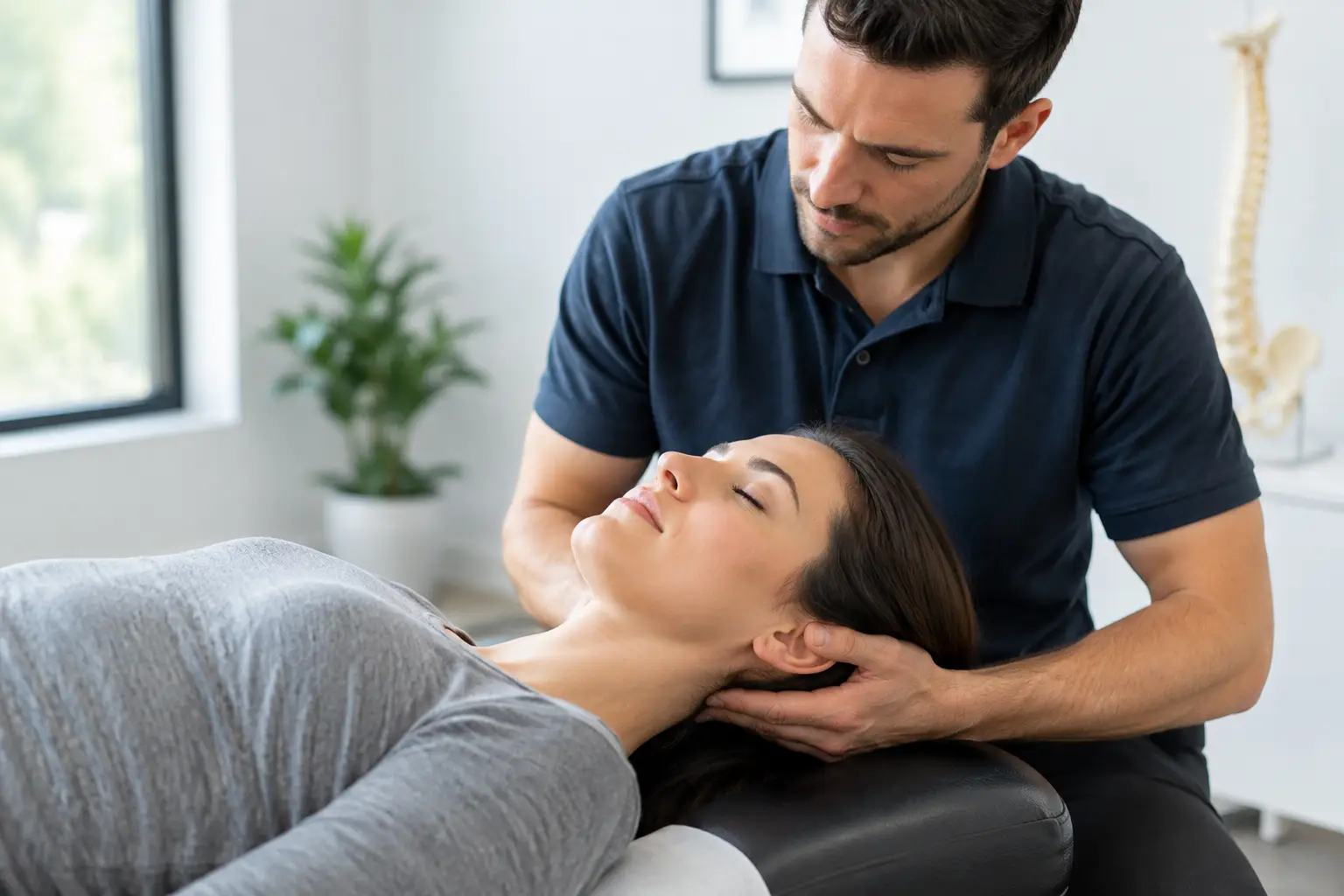
A migraine can turn a normal workday, family dinner, or weekend plan into a dark room and a missed opportunity. For many people, the headache is only part of the problem. Neck tightness, shoulder tension, nausea, light sensitivity, poor sleep, and exhaustion can build long before the pain peaks. If you are searching for a migraine chiropractor Cumming residents can turn to for a more complete approach, the goal should be more than temporary relief. It should be to get to the root of the patterns that may be contributing to your migraines.
At Natural Medicine & Chiropractic Specialties, migraine care begins by looking at the whole picture: your spinal function, posture, injury history, daily stress, sleep quality, nutrition, and health concerns that may be affecting your nervous system. Every migraine is personal, and effective care starts with understanding what may be driving yours.
Why Migraines Often Need More Than a Quick Fix
Migraines are not simply severe headaches. They are a neurological condition that can involve throbbing head pain, visual changes, sensitivity to light or sound, nausea, dizziness, and difficulty concentrating. Some people experience an aura before an attack, while others notice warning signs such as neck stiffness, irritability, fatigue, or food cravings.
Medication can be appropriate and helpful for many people, particularly when it is part of a plan developed with a qualified medical provider. But relying on symptom management alone may leave important contributors unaddressed. Frequent use of certain pain medications can also lead to rebound headaches in some cases, which is one reason recurring migraines deserve a thoughtful evaluation.
The cause is rarely one thing. Genetics, hormonal shifts, dehydration, stress, skipped meals, poor sleep, certain foods, and environmental triggers may all play a role. For some patients, spinal misalignment, forward-head posture, chronic neck muscle tension, or a prior injury may add another layer to the problem.
The Neck-Migraine Connection
The upper neck has a close relationship with the nervous system and the muscles that support the head. When the cervical spine is not moving or functioning as it should, the surrounding muscles can work overtime. This can create persistent tension and altered movement patterns that refer discomfort into the head, jaw, temples, and behind the eyes.
This does not mean every migraine starts in the neck. Migraines are complex, and a careful provider should never assume there is one universal cause. However, neck pain and migraines commonly overlap. If headaches began after a car accident, work injury, fall, years of desk work, or a period of increased stress, evaluating the cervical spine may be especially worthwhile.
Corrective chiropractic care focuses on improving spinal alignment, movement, and stability rather than simply providing a quick adjustment when pain flares. Chiropractic BioPhysics-informed care may be used to assess posture and structural patterns that place ongoing stress on the neck and upper back. The purpose is to support better function over time, not to chase symptoms from one appointment to the next.
What a Migraine Chiropractor in Cumming May Evaluate
A personalized evaluation should begin with your history. When do migraines occur? Do they appear around your menstrual cycle, after long hours at a computer, following poor sleep, or during periods of high stress? Does neck pain start before the migraine? Have you had a concussion, whiplash injury, or repeated strain from work or exercise?
Your care team may also assess posture, spinal mobility, muscle balance, joint restrictions, and the way your body compensates during movement. A forward head position, for example, can increase the workload on neck muscles and may contribute to recurring tension patterns.
Whole-body health matters too. Some patients report more frequent headaches when they are dehydrated, under-fueled, sleeping poorly, or dealing with digestive upset and inflammation. Functional-medicine-informed care can help identify lifestyle and metabolic factors worth addressing. That may include looking at nutritional habits, stress load, energy levels, cravings, and other symptoms that can affect overall resilience.
The goal is not to promise a one-size-fits-all cure. It is to identify meaningful patterns, address what can be improved, and create a plan designed around you.
A Personalized Plan for Better Function
For patients whose migraines appear connected to neck dysfunction or postural stress, chiropractic adjustments may help restore motion to restricted spinal joints and reduce strain in the surrounding tissues. Care is tailored to the individual, their comfort level, and their clinical findings.
A plan may also include corrective exercises and postural recommendations to help your progress hold between visits. Small daily changes can matter. Adjusting monitor height, taking movement breaks, improving pillow support, and changing how you carry a bag may reduce repeated stress on the neck.
When pain and tissue irritation are significant, non-invasive therapies may be considered as part of care. Class IV laser therapy may be used to support circulation and tissue recovery. Electroanalgesic therapy can help calm pain signals and muscle guarding. For some musculoskeletal concerns, other technology-supported therapies may be appropriate based on a clinical evaluation.
These services are not interchangeable, and not every patient needs every therapy. The right approach depends on whether your primary issue is joint restriction, muscle tension, postural imbalance, injury-related irritation, sleep disruption, or a combination of factors. A good plan is specific enough to address your needs while flexible enough to change as your body responds.
Daily Habits That Can Support Migraine Care
Clinical care works best when it is paired with consistent habits at home. A migraine journal can be one of the most useful tools for recognizing your personal patterns. Note when symptoms begin, what you ate and drank, how you slept, your stress level, menstrual-cycle timing when relevant, and any neck pain or visual symptoms that occurred beforehand.
Regular hydration, balanced meals, and stable sleep hours may help reduce common triggers for some people. Long gaps between meals, intense caffeine swings, and dehydration can make the nervous system more vulnerable. This does not mean you need a restrictive diet or that every food is a trigger. It means your habits should be evaluated based on your experience, not a generic list from the internet.
Gentle movement can also be valuable when it is appropriate for your condition. Walking, mobility work, and prescribed corrective exercises can help counter the effects of prolonged sitting. During an active migraine, however, rest in a quiet, dark environment may be the better choice. Listening to your body is part of building a sustainable plan.
When Migraines Need Urgent Medical Attention
Chiropractic and natural health care can be part of a broader migraine strategy, but some symptoms require immediate medical evaluation. Seek urgent care for a sudden, severe headache that feels unlike anything you have experienced before, especially if it peaks quickly. New headache symptoms after a significant head injury, headache with fever and stiff neck, fainting, confusion, seizures, vision loss, facial drooping, weakness, numbness, or trouble speaking also need prompt attention.
New or changing headaches during pregnancy, after age 50, or in the setting of cancer, immune suppression, or uncontrolled high blood pressure should be discussed with a medical provider. If you have a known migraine diagnosis but the pattern has changed significantly, do not assume it is business as usual.
A patient-centered practice knows when to coordinate care and when to refer. Your safety comes first.
Build a Plan That Looks Beyond the Headache
Living around the next migraine can make life feel smaller. You may hesitate to commit to plans, push through work despite worsening symptoms, or accept neck tension as your normal. You do not have to settle for temporary relief as the only option.
A thorough migraine evaluation can help connect the dots between spinal health, posture, daily habits, and your wider health picture. With holistic care designed around you, the focus is on restoring function, reducing avoidable stress on your body, and helping you move toward more good days. The first step is a conversation about your history, your goals, and what lasting progress could look like for you.

Disc Herniation Recovery Guide: What Helps Healing
Use this disc herniation recovery guide to understand symptoms, treatment options, safe movement, and when personalized care can help you heal well again.
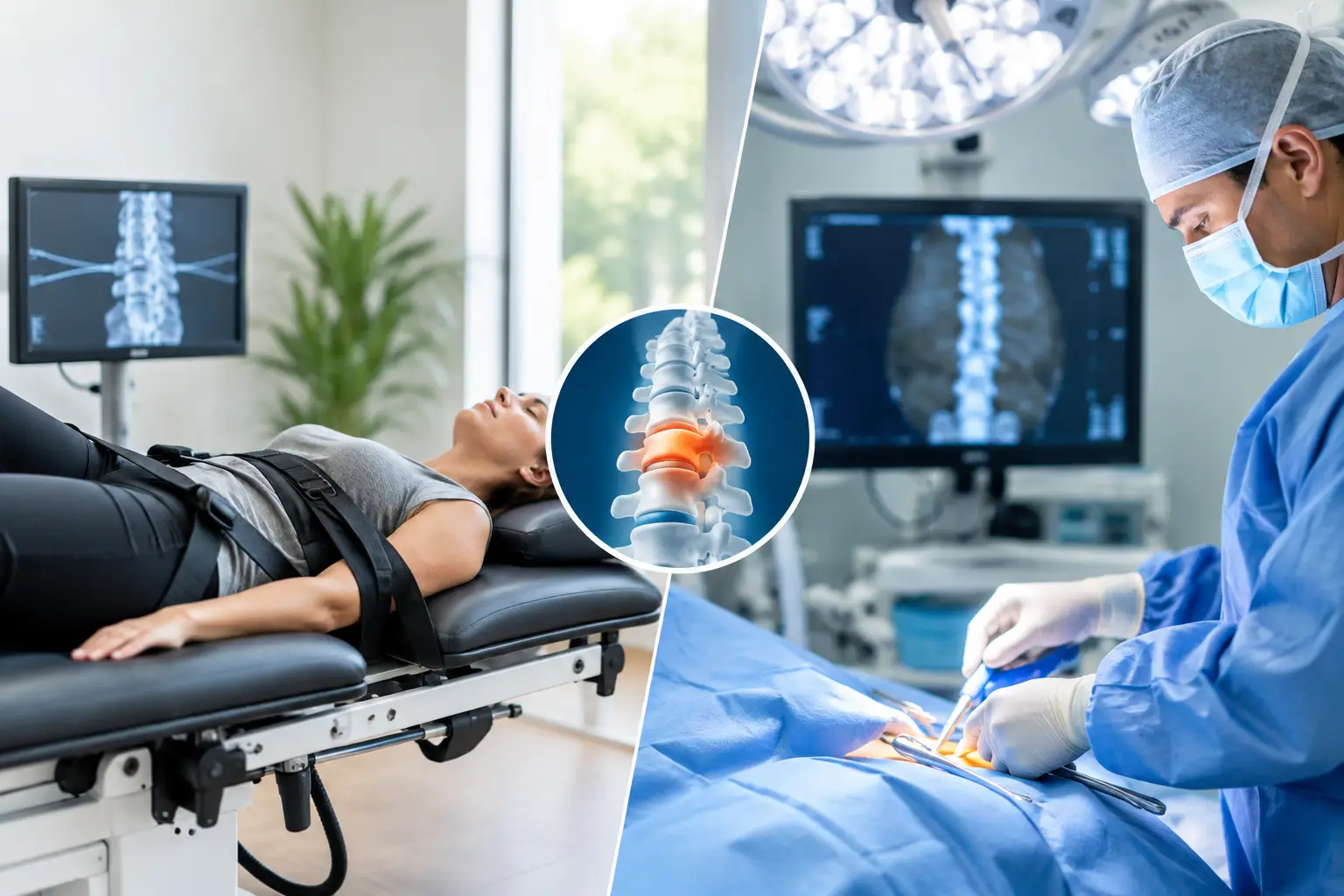
Spinal Decompression Versus Surgery Explained
Compare spinal decompression versus surgery for disc pain, sciatica, and spinal stenosis. Learn who may benefit, when surgery is needed, and next steps.

How to Relieve Pinched Nerve Pain Without Guesswork
Learn how to relieve a pinched nerve with safe home steps, warning signs, and root-cause care that helps restore movement and lasting comfort over time.

How to Improve Mobility After Injury Safely
Learn how to improve mobility after injury with personalized care that reduces pain, restores movement, and supports a safer, lasting recovery daily, too.
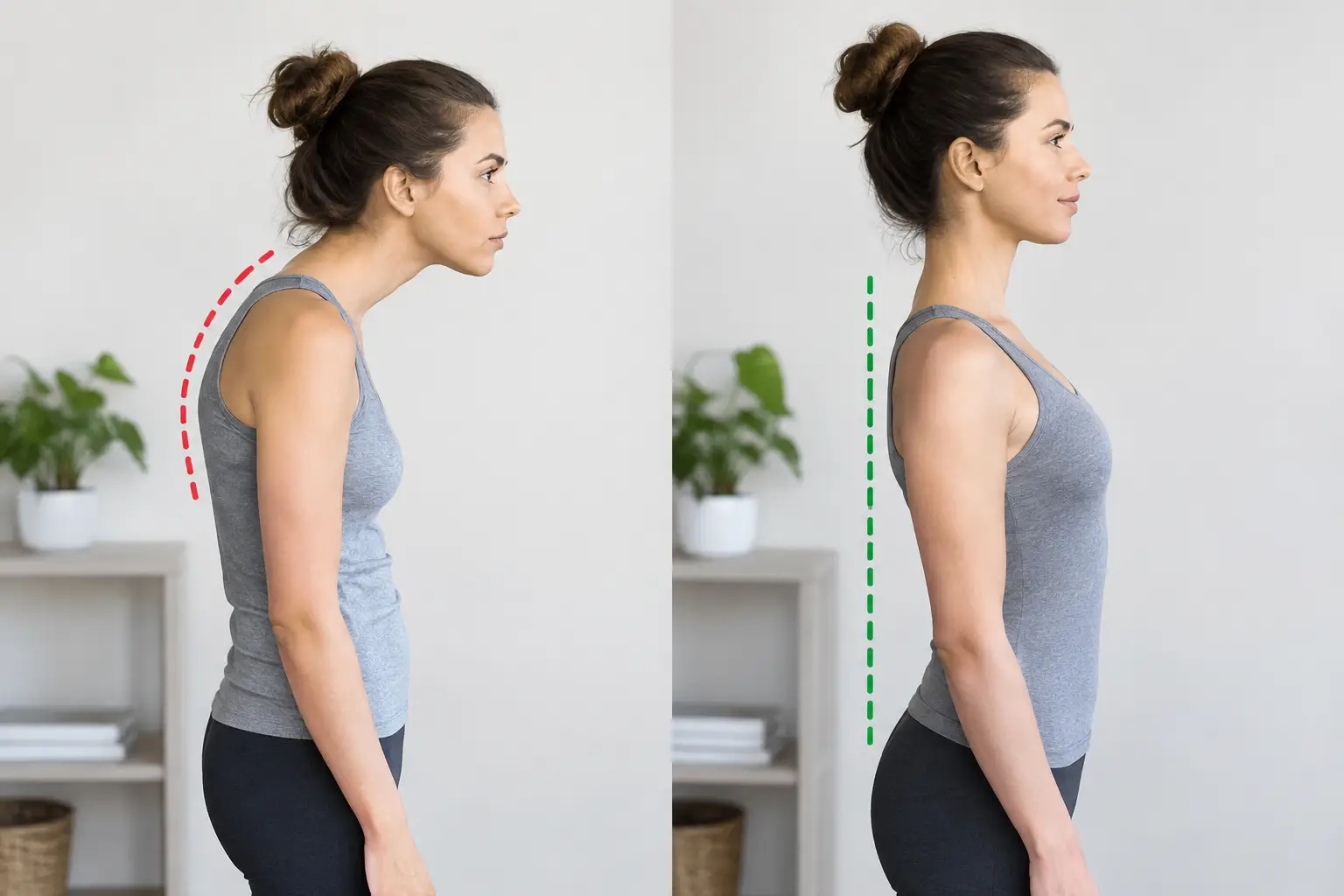
How to Improve Forward Head Posture for Good
Learn how to improve forward head posture with corrective care, simple daily habits, and a plan that helps reduce neck strain and restore movement safely.