
Nutrition Coaching for Cravings That Lasts

That 3:30 p.m. pull toward the break-room sweets, the late-night search for something salty, or the feeling that you need a snack immediately is rarely a simple willpower problem. Nutrition coaching for cravings looks beyond the food itself to identify what may be driving the urge: an under-fueling breakfast, poor sleep, blood sugar swings, stress, digestive concerns, or a restrictive diet that is impossible to sustain.
At Natural Medicine & Chiropractic Specialties, we help patients get to the root of the problem rather than relying on another short-term food rule. Cravings can be useful information. When you understand the pattern behind them, you can make practical changes that support steadier energy, metabolic health, and long-term weight goals.
Why Cravings Can Feel So Hard to Control
A craving is more specific and urgent than ordinary hunger. Hunger may be satisfied by a balanced meal, while a craving often feels focused on a particular food or texture – chocolate, chips, bread, soda, or something crunchy and salty. That distinction matters because cravings can be influenced by both physical needs and learned habits.
For many people, the cycle starts early in the day. Coffee replaces breakfast, or breakfast is mostly refined carbohydrates with little protein or fiber. Energy rises quickly, then falls. By midmorning or afternoon, the body is looking for fast fuel. A pastry, candy bar, sweet coffee drink, or handful of crackers may provide a brief lift, but it can set up another crash later.
Sleep and stress also change the picture. A few nights of poor sleep can make high-calorie foods seem more appealing and reduce the energy available for planning meals. Chronic stress may lead people to seek comfort, convenience, or a short mental break through food. This does not mean stress eating is a character flaw. It means the strategy needs to account for the life you are actually living.
Some cravings are strongly tied to routine. You may always snack while driving home from work, while watching television, or after getting the children to bed. The food becomes part of the cue-and-reward loop, even when your body is no longer physically hungry. Effective support respects that reality instead of simply telling you to avoid temptation.
What Nutrition Coaching for Cravings Looks At
Nutrition coaching for cravings begins with patterns, not judgment. A personalized consultation can explore when cravings occur, what foods you reach for, what happened before the urge, and how you feel afterward. Your health history, medications, activity level, sleep quality, stress load, digestion, and weight goals all provide useful context.
The goal is not to diagnose every craving from a single symptom. It is to identify likely contributors and test realistic changes. For one patient, the key may be eating a more balanced breakfast. For another, it may be planning an afternoon snack before a long commute. Someone with frequent digestive discomfort may need a closer look at meal tolerance and overall nutrition habits. The right plan depends on the person.
Build meals that keep you satisfied
A meal that includes protein, fiber-rich carbohydrates, healthy fats, and colorful produce generally provides more staying power than a meal built around refined carbohydrates alone. Think eggs with vegetables and fruit rather than toast alone, or grilled chicken, beans, and vegetables rather than a small salad that leaves you hungry an hour later.
This is not about removing every favorite food. Restrictive plans often backfire because they make certain foods feel forbidden, which can intensify preoccupation and overeating. Instead, coaching can help you create meals that are satisfying enough to reduce the urgency around snack foods and treats.
Find the gap before the craving
A food journal does not need to become a permanent assignment. For a week or two, it can reveal useful details: the time of the craving, your last meal, hunger level, sleep, mood, and the situation around you. You may notice that cravings show up after skipped meals, after difficult meetings, or when dinner is delayed.
Once the gap is clear, the solution becomes more specific. If you are genuinely hungry, a planned snack with protein and fiber may be more helpful than trying to white-knuckle your way to dinner. If the urge follows a stressful workday, a brief walk, a glass of water, a few minutes of breathing, or a transition routine may help create space before choosing food.
Plan for real life, not perfect days
The best nutrition strategy should work on busy mornings, school nights, travel days, and weekends. That may mean keeping practical options available at home and work, preparing a few components ahead of time, or choosing restaurant meals with more protein and vegetables when possible.
Planning is not rigid control. It is reducing the number of moments when intense hunger and convenience make every decision harder. Patients often find that a small amount of preparation gives them more freedom, not less.
When Cravings May Point to a Bigger Health Concern
Cravings alone do not automatically indicate a medical condition. Still, persistent hunger, rapid weight changes, severe fatigue, frequent thirst, shakiness, sleep disruption, digestive symptoms, or a major change in appetite deserve attention. Metabolic concerns, hormonal changes, medication effects, and inadequate nutrient intake can all affect appetite and energy.
A functional medicine approach considers these broader contributors alongside food habits. When appropriate, a clinician may recommend further evaluation to better understand the factors affecting your health. This is especially valuable when cravings occur with chronic fatigue, inflammation, unexplained weight challenges, or digestive discomfort.
People with diabetes, a history of disordered eating, pregnancy-related nutrition needs, or medication changes should not use generic diet advice as a substitute for individualized medical guidance. Sustainable progress should support physical and emotional health, not create more anxiety around food.
Small Changes That Can Reduce the Daily Pull
You do not need a dramatic reset to begin changing a craving pattern. Start by eating regularly enough that you are not reaching the end of the day depleted. Include a meaningful protein source at breakfast and lunch, and build in fiber from vegetables, fruit, beans, or whole-food carbohydrates you tolerate well.
Then choose one predictable craving window to address. If late afternoon is difficult, plan a satisfying snack before the urge peaks. If dessert is automatic after dinner, consider whether you are still hungry, seeking relaxation, or following a familiar routine. You may decide to enjoy dessert intentionally some nights, while building a different evening ritual on others. Both can fit into a healthy plan.
Hydration can help, but it is not a cure-all. A glass of water will not solve an afternoon crash caused by missing lunch. Likewise, swapping candy for a “healthy” snack is not always enough if the deeper issue is stress, poor sleep, or overly restrictive eating. Lasting results come from matching the tool to the cause.
Support That Helps You Address It for Good
Cravings lose much of their power when food choices are no longer driven by extreme hunger, confusion, or all-or-nothing thinking. A personalized nutrition plan can help you recognize your signals, build meals around your needs, and make changes that support your energy and weight goals without living on a restrictive diet.
If you are tired of restarting every Monday, a consultation can be a practical first step. Holistic care designed around you can help turn cravings from a daily battle into useful feedback – and give you a clearer path toward healthier habits that last.

Disc Herniation Recovery Guide: What Helps Healing
Use this disc herniation recovery guide to understand symptoms, treatment options, safe movement, and when personalized care can help you heal well again.
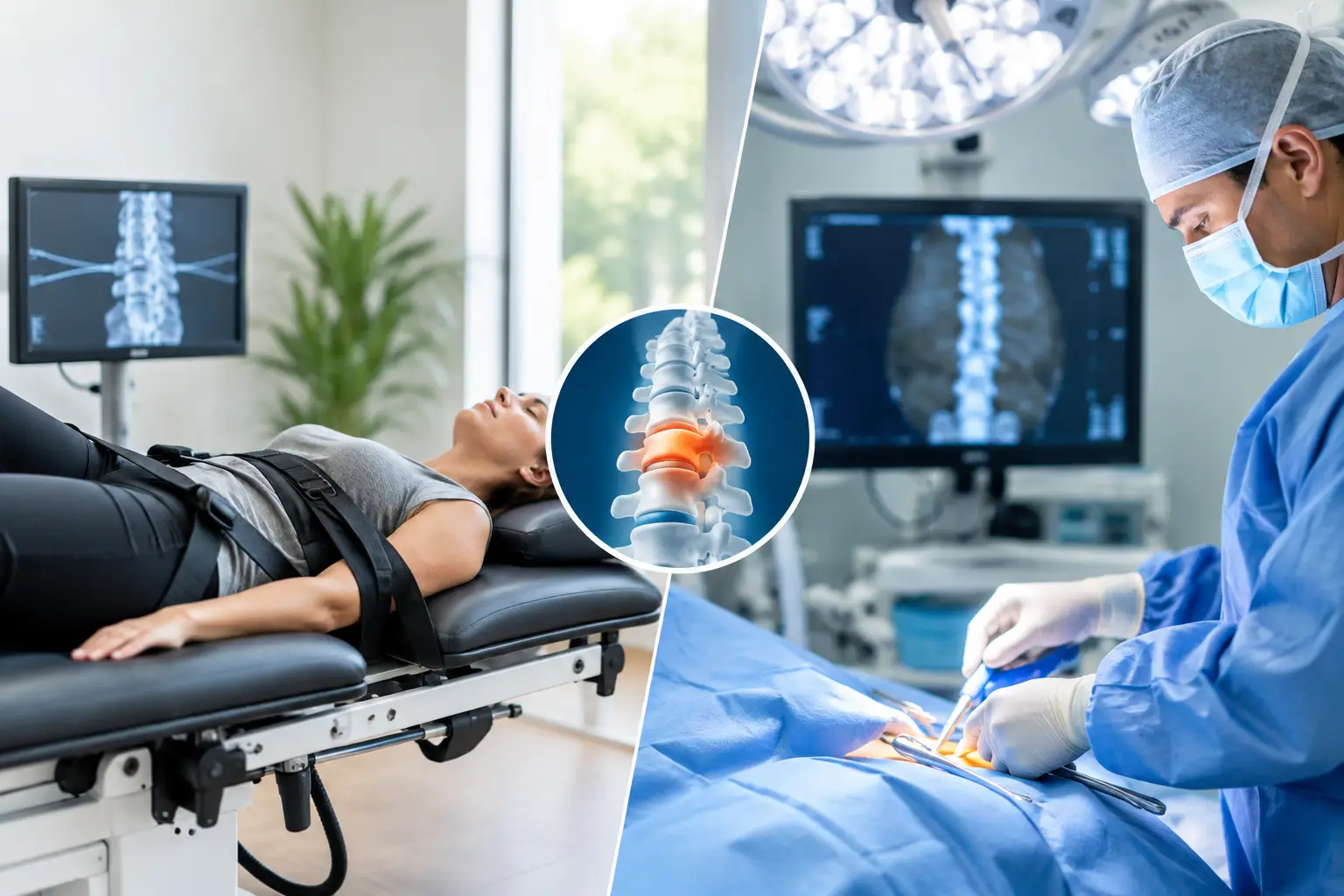
Spinal Decompression Versus Surgery Explained
Compare spinal decompression versus surgery for disc pain, sciatica, and spinal stenosis. Learn who may benefit, when surgery is needed, and next steps.

How to Relieve Pinched Nerve Pain Without Guesswork
Learn how to relieve a pinched nerve with safe home steps, warning signs, and root-cause care that helps restore movement and lasting comfort over time.

How to Improve Mobility After Injury Safely
Learn how to improve mobility after injury with personalized care that reduces pain, restores movement, and supports a safer, lasting recovery daily, too.
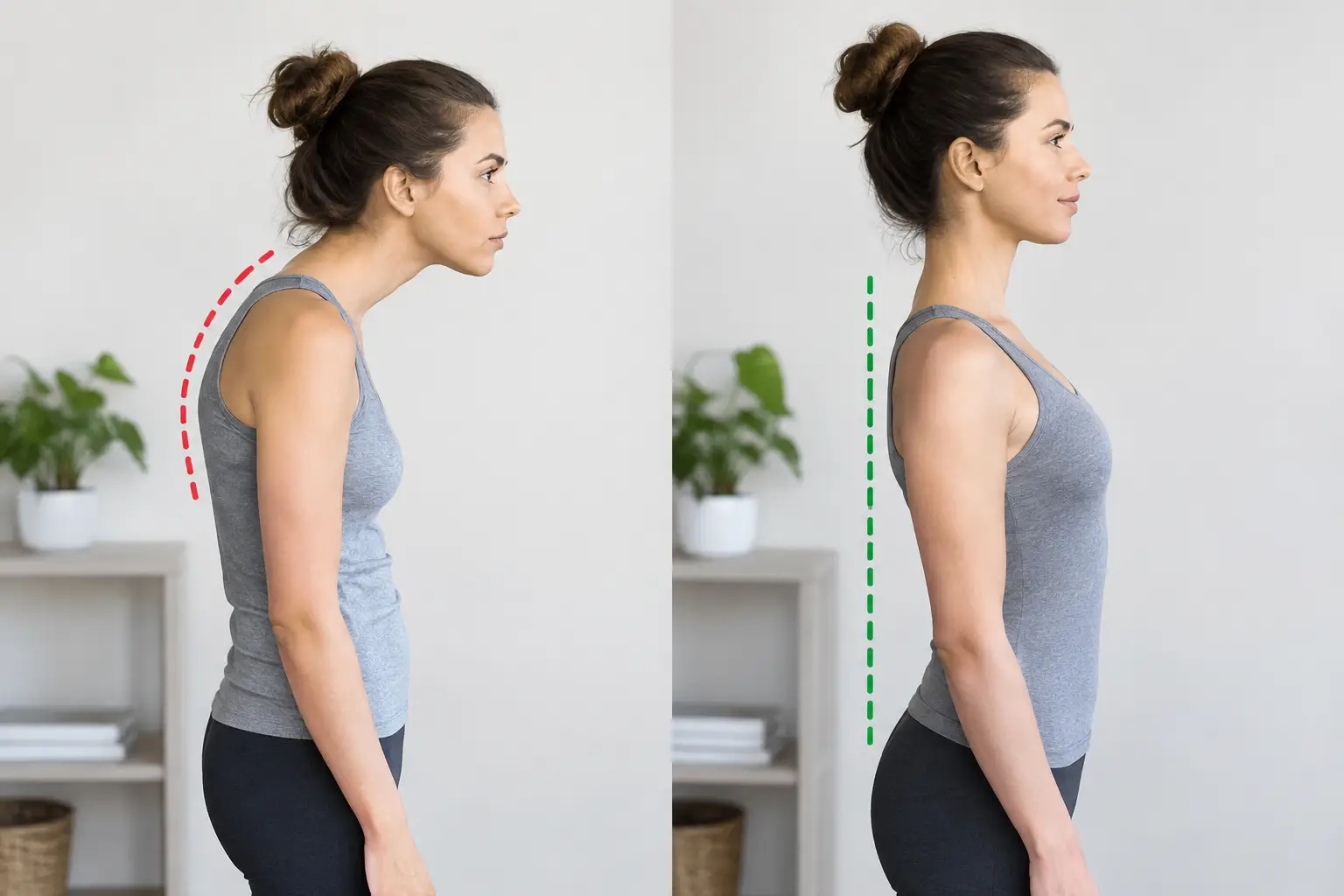
How to Improve Forward Head Posture for Good
Learn how to improve forward head posture with corrective care, simple daily habits, and a plan that helps reduce neck strain and restore movement safely.