
How to Relieve Work Injury Pain Without Guesswork

A sore back after lifting a box is one thing. Pain that keeps returning every time you bend, stand at a workstation, drive between job sites, or reach overhead is another. To relieve work injury pain effectively, the goal should be more than getting through the next shift. It should be to understand what was injured, what is keeping the area irritated, and what your body needs to move and heal with more confidence.
Work injuries can happen in an instant, such as a fall, a twisting injury, or a lift that goes wrong. They can also build slowly through repetitive motion, long hours at a desk, awkward posture, vibration, standing on hard floors, or physically demanding work. Either way, ignoring pain or relying only on short-term symptom relief can allow small movement problems to become persistent limitations.
Start by Taking Work Injury Pain Seriously
Many people try to push through pain because work, family responsibilities, and deadlines do not stop. But pain is useful information. It may signal strained muscles, irritated joints, disc involvement, nerve irritation, tendon stress, or a movement pattern that is placing too much pressure on one part of the body.
You should seek prompt medical attention after a work injury if you have severe or worsening pain, visible deformity, inability to bear weight or use a limb, significant swelling, new weakness, loss of coordination, numbness that spreads, or changes in bowel or bladder control. These symptoms need timely evaluation.
Even when symptoms seem manageable, documenting the injury and reporting it through the appropriate workplace process matters. Requirements can vary by employer and insurance arrangement, but early documentation helps create a clearer record of what happened and when symptoms began.
The First Goal: Calm Irritation Without Becoming Inactive
In the first days after an injury, your body may need a break from the exact motion that triggered pain. That does not always mean complete bed rest. In fact, prolonged inactivity can lead to stiffness, muscle guarding, and reduced circulation, all of which can make returning to work harder.
Relative rest is often the better approach. Avoid heavy lifting, repeated bending, forceful twisting, or overhead activity if those movements increase symptoms. At the same time, gentle movement within a comfortable range can help you avoid becoming overly stiff. Short walks, careful position changes, and simple mobility exercises may be appropriate depending on the injury.
Cold or heat may provide temporary comfort, but timing and response vary. Some people find cold helpful when an area feels freshly inflamed or swollen, while others respond better to gentle heat for muscle tightness and stiffness. Neither approach fixes the underlying problem on its own. Think of them as comfort tools, not the entire plan.
How to Relieve Work Injury Pain by Finding the Cause
Pain is not always located where the problem began. A worker may feel low-back pain after lifting, but the contributing factors may include reduced hip mobility, poor lifting mechanics, weak trunk stability, repetitive rotation, or a spinal alignment issue that has been developing for years. Similarly, neck and shoulder pain may be worsened by workstation height, forward-head posture, tight chest muscles, or nerve irritation from the cervical spine.
This is why a thoughtful evaluation matters. At Natural Medicine & Chiropractic Specialties, care begins with looking at the full picture: how the injury happened, what movements aggravate it, how your posture and spine are functioning, what your work demands look like, and whether other factors are slowing recovery.
Corrective chiropractic care informed by Chiropractic BioPhysics can help identify structural and postural patterns that may be placing ongoing stress on the spine. Rather than simply chasing the most painful spot, the focus is to get to the root of the problem and create a plan that supports healthier movement over time.
That plan should be individualized. A warehouse employee with a lifting injury, a dental professional with neck tension, and an office worker with wrist and upper-back discomfort may all have pain related to work, but they do not need the same care.
Treatment Should Support Healing and Function
Non-invasive therapies may be used to reduce discomfort, improve mobility, and support the body’s healing process while corrective care addresses the mechanical contributors to pain. The appropriate approach depends on the nature of the injury, your exam findings, your health history, and how your symptoms respond.
For spinal pain involving disc pressure, radiating symptoms, or reduced mobility, spinal decompression may be considered when clinically appropriate. This therapy is designed to gently reduce pressure through the spine and may help some patients who are dealing with certain low-back or neck conditions.
Class IV laser therapy uses specific wavelengths of light to support cellular activity and tissue recovery. Electroanalgesic therapy may help manage pain and muscle guarding, making it easier for some patients to tolerate movement and rehabilitation. Shockwave therapy and StemWave therapy may also be considered for certain soft-tissue concerns, particularly when tendon, muscle, or joint discomfort has become stubborn.
These options are not interchangeable, and more treatment is not automatically better treatment. A good plan uses the right tools at the right time, paired with progress checks and clear functional goals. Those goals may include sitting through a shift with less pain, lifting safely, sleeping more comfortably, turning your head while driving, or returning to hobbies without worrying about a flare-up.
Fix the Work Habits That Keep Reinjuring You
An injury can improve and still return if the daily workload continues to exceed your body’s current capacity. This is where practical changes matter.
For people who lift at work, positioning is often more useful than simply being told to “lift with your legs.” Get close to the object, keep it near your body, avoid twisting while carrying, and pivot with your feet when changing direction. If an item is too heavy or awkward, use equipment or ask for assistance before pain forces the issue.
For desk-based work, look closely at screen height, chair support, keyboard placement, and how often you change position. A perfectly adjusted workstation still becomes a problem if you stay locked in one posture for hours. Brief movement breaks can reduce the buildup of stiffness in the neck, shoulders, hips, and low back.
Workers who stand, climb, reach, or perform repetitive tasks may benefit from task rotation, better footwear, strategic stretching, and strengthening that matches the demands of their job. The best exercise plan is not necessarily the hardest one. It is the one you can perform consistently, correctly, and without provoking symptoms.
Recovery Also Depends on What Happens Outside of Work
Your body does much of its repair work outside your shift. Poor sleep, chronic stress, dehydration, low protein intake, and ongoing inflammation can all affect how you feel and recover. If pain has disrupted your sleep, that alone can heighten pain sensitivity and make the next workday feel harder.
This is where a whole-body approach can be valuable. Functional medicine evaluations may help uncover health factors that contribute to inflammation, fatigue, poor recovery, digestive concerns, or metabolic challenges. Nutrition and lifestyle coaching can support the habits that make rehabilitation more effective, especially for people whose injury recovery has stalled.
Natural care is not about pretending every problem can be solved with one adjustment, supplement, or therapy. It is about identifying the contributors you can change and building a plan around your real life.
Know When Pain Is Improving – and When It Is Not
Recovery is rarely a perfectly straight line. You may have a better week followed by soreness after an unusually busy shift. The more useful question is whether your overall function is improving. Are you moving more easily? Is the pain less intense or less frequent? Are you able to do more before symptoms begin?
If pain continues to worsen, repeatedly travels into an arm or leg, causes increasing numbness or weakness, or prevents you from performing basic work and home activities, it is time for a thorough reassessment. Persistent pain is not a personal failure, and it should not be dismissed as something you simply have to live with.
A work injury does not have to define how you move or how you feel at the end of each day. With the right evaluation, targeted care, and practical changes to the demands that caused the injury, you can give your body a better opportunity to heal, regain function, and return to work with greater confidence.

Disc Herniation Recovery Guide: What Helps Healing
Use this disc herniation recovery guide to understand symptoms, treatment options, safe movement, and when personalized care can help you heal well again.
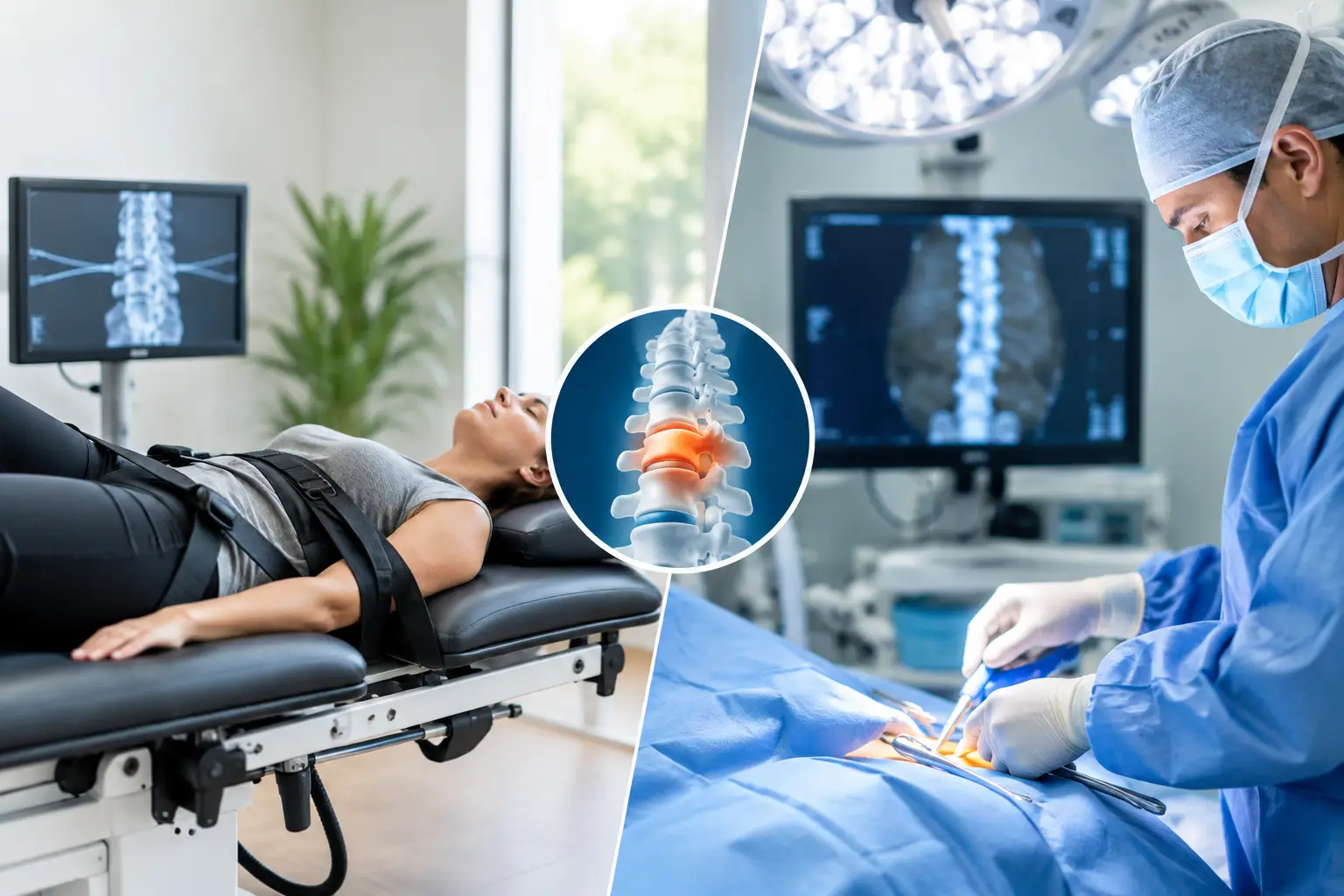
Spinal Decompression Versus Surgery Explained
Compare spinal decompression versus surgery for disc pain, sciatica, and spinal stenosis. Learn who may benefit, when surgery is needed, and next steps.

How to Relieve Pinched Nerve Pain Without Guesswork
Learn how to relieve a pinched nerve with safe home steps, warning signs, and root-cause care that helps restore movement and lasting comfort over time.

How to Improve Mobility After Injury Safely
Learn how to improve mobility after injury with personalized care that reduces pain, restores movement, and supports a safer, lasting recovery daily, too.
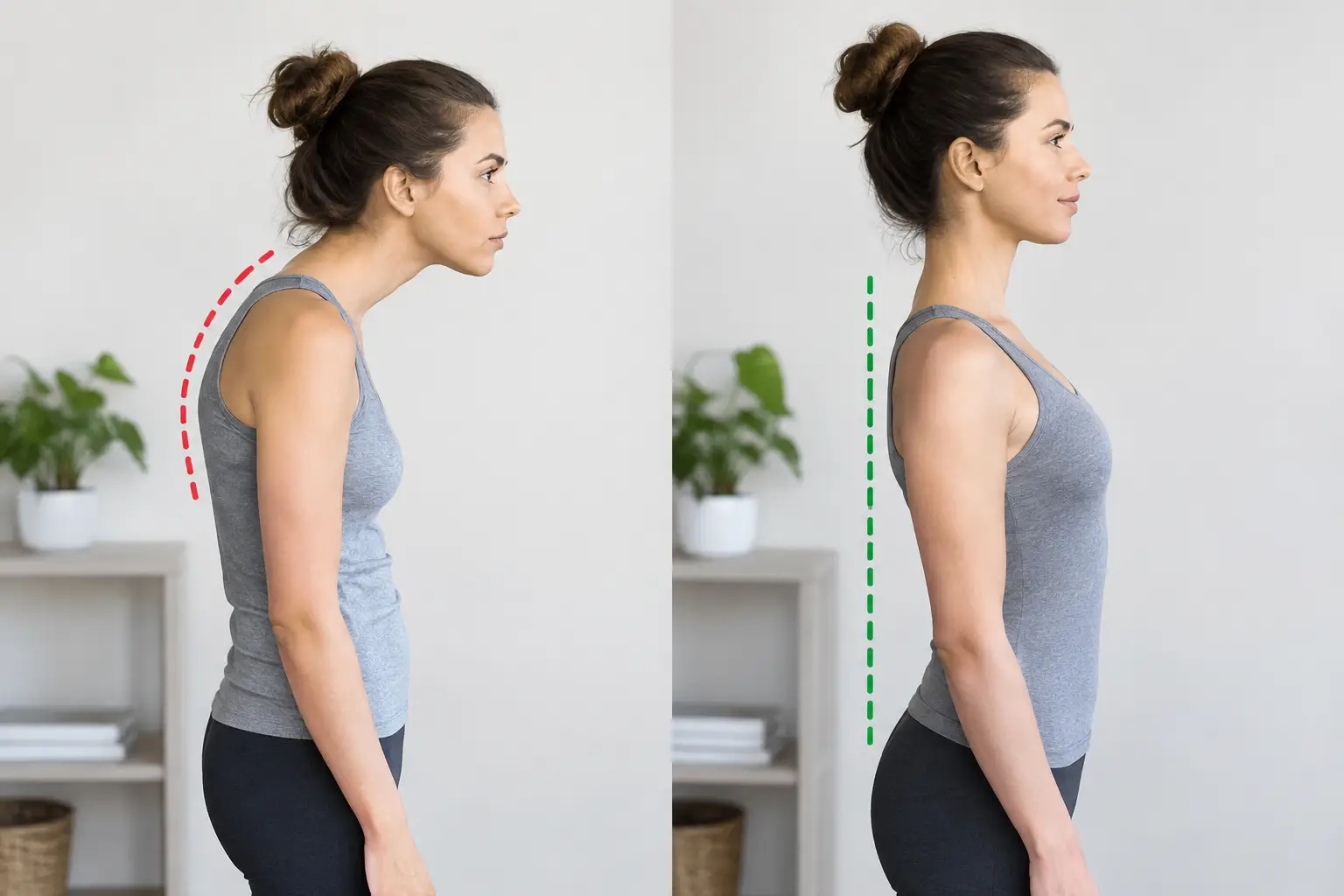
How to Improve Forward Head Posture for Good
Learn how to improve forward head posture with corrective care, simple daily habits, and a plan that helps reduce neck strain and restore movement safely.