
Shockwave Therapy Cumming GA for Lasting Relief
That stubborn heel pain when you first step out of bed, the shoulder that catches every time you reach overhead, or the tendon pain that keeps returning after activity can make everyday life feel smaller. Shockwave therapy Cumming GA may be an option when pain is limiting movement and your body needs focused support to recover – without surgery or lengthy downtime.
At Natural Medicine & Chiropractic Specialties, shockwave therapy is not treated as a stand-alone quick fix. It is considered within a broader plan designed to get to the root of the problem, improve how your body moves, and help you build durable progress.
What Is Shockwave Therapy?
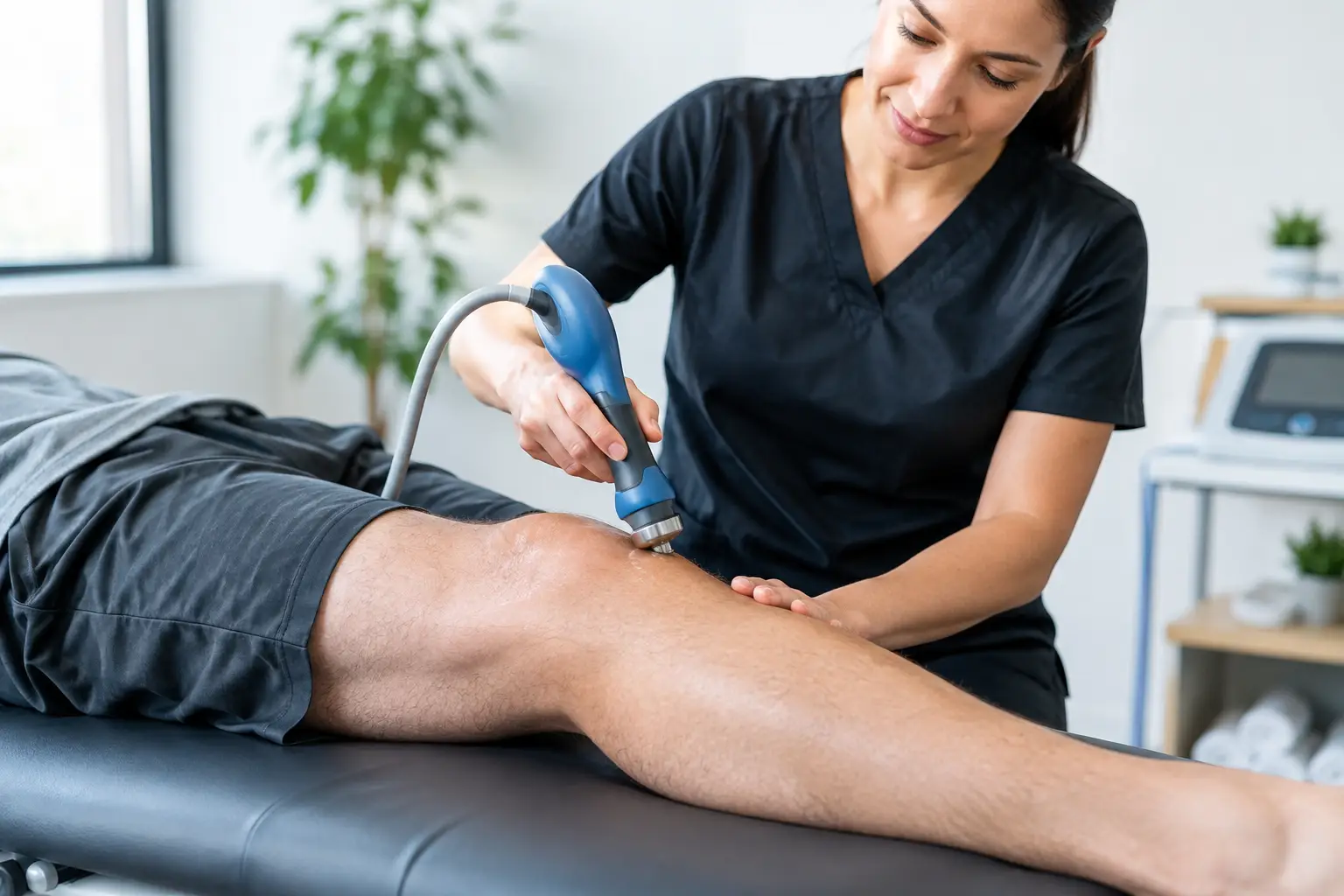
Shockwave therapy uses radial pressure wave technology to deliver controlled acoustic waves to targeted areas of the body. These waves are intended to stimulate the local tissue response, support circulation, and encourage the body’s natural repair processes. Treatment is non-invasive, performed in the office, and does not require anesthesia.
Despite the name, the treatment does not involve electric shocks. A clinician applies a handheld device to the area being treated while you rest in a comfortable position. Most sessions are relatively brief, though the right number of visits depends on the condition, how long symptoms have been present, your activity level, and your overall health.
The goal is not simply to make a painful area feel better for a few hours. The goal is to support healthier tissue function and movement while addressing the mechanical, postural, or lifestyle factors that may be continuing to overload that area.
When Shockwave Therapy May Be Considered
Tendons, fascia, and other soft tissues can become irritated when they are repeatedly stressed without adequate recovery. This can happen after a new workout routine, a work-related strain, a sports injury, altered gait, poor footwear, or years of compensating for spinal or joint dysfunction.
Shockwave therapy may be considered for persistent musculoskeletal concerns such as plantar fasciitis, Achilles tendon discomfort, tennis elbow, golfer’s elbow, shoulder tendon pain, hip discomfort, knee pain, and certain chronic muscle tightness patterns. It may also be useful when a patient has tried rest, stretching, or basic home care but still cannot return to normal movement comfortably.
That does not mean every sore tendon or painful joint needs shockwave treatment. Sudden severe pain, major swelling, a suspected fracture, loss of strength, numbness, fever, or an inability to bear weight deserves prompt medical evaluation. A careful assessment helps determine whether shockwave therapy fits the problem or whether another form of care should come first.
Why an Evaluation Matters Before Treatment
Pain location does not always reveal pain source. Heel pain may be influenced by tight calves, foot mechanics, hip weakness, or lower-back nerve irritation. Shoulder discomfort can be connected to posture, reduced spinal mobility, repetitive work demands, or an old injury that changed how you move.
This is why a personalized evaluation matters. Your clinician can review your symptoms, health history, daily activities, range of motion, posture, and areas of compensation. If appropriate, your care plan may combine shockwave therapy with corrective chiropractic care, therapeutic exercise, mobility work, Class IV laser therapy, spinal decompression, or guidance on nutrition and inflammation-supporting habits.
For some patients, the primary need is local tissue support. For others, treating the painful spot without correcting the movement pattern would likely lead to the same problem returning. Holistic care designed around you means matching the treatment plan to the person, not forcing every patient into the same protocol.
What a Shockwave Therapy Visit Feels Like
During treatment, you may feel a tapping or pulsing sensation over the targeted tissue. The intensity can be adjusted based on the area being treated and your comfort level. Some tender spots may be more sensitive, especially when the tissue has been irritated for a long time, but treatment should remain manageable and your feedback matters throughout the visit.
It is common to have temporary soreness, redness, or tenderness after a session. This often feels similar to the discomfort that can follow deep tissue work or an unfamiliar workout. Your clinician will give you individualized guidance about activity, stretching, hydration, and whether you should modify exercise for a short time.
Results are not always immediate. Some people notice improved mobility or less pain after early sessions, while others experience a more gradual change as tissues respond over several weeks. Chronic conditions generally require more patience than a recent strain. Consistency with the recommended plan, along with changes to the stresses that caused the problem, can make a meaningful difference.
Shockwave Therapy in Cumming GA: A Root-Cause Approach
When pain interferes with work, exercise, sleep, or time with family, it is tempting to search for the fastest possible relief. Relief matters, but lasting improvement usually requires a fuller picture. If you have recurring elbow pain from work, for example, the plan may need to account for grip demands, shoulder mechanics, spinal posture, recovery habits, and inflammation – not just the elbow itself.
A root-cause approach also helps set realistic expectations. Shockwave therapy can be a valuable tool for supporting recovery, but it cannot replace rest when rest is needed, correct every structural problem on its own, or overcome an activity pattern that continues to aggravate tissue every day. The most effective care often combines in-office treatment with practical steps you can carry into daily life.
Those steps may include adjusting how you lift, changing footwear, gradually rebuilding strength, improving workstation setup, or following a targeted mobility routine. Small, specific changes are often more sustainable than broad instructions to simply “take it easy.”
Who Should Use Caution?
A consultation is especially important if you are pregnant, have a bleeding disorder, use certain blood-thinning medications, have reduced sensation in the treatment area, have an active infection, or have a known tumor near the area of concern. Shockwave therapy may not be appropriate over certain growth plates, around some implanted devices, or when there is an untreated fracture or serious acute injury.
Your provider should know about all medications, medical conditions, previous surgeries, and recent injections before treatment begins. This conversation is not a barrier to care. It is how a clinician can choose the safest, most appropriate path forward for your situation.
Take the Next Step Toward Better Movement
You do not have to accept recurring pain as the price of staying active, doing your job, or getting older. If a stubborn soft-tissue problem is keeping you from moving with confidence, a personalized consultation can help clarify what is driving it and whether shockwave therapy belongs in your care plan.
Better movement starts with a clear understanding of what your body needs next. With the right evaluation and a plan built around your goals, you can move beyond temporary symptom masking and work toward feeling stronger in the activities that matter to you.

Disc Herniation Recovery Guide: What Helps Healing
Use this disc herniation recovery guide to understand symptoms, treatment options, safe movement, and when personalized care can help you heal well again.
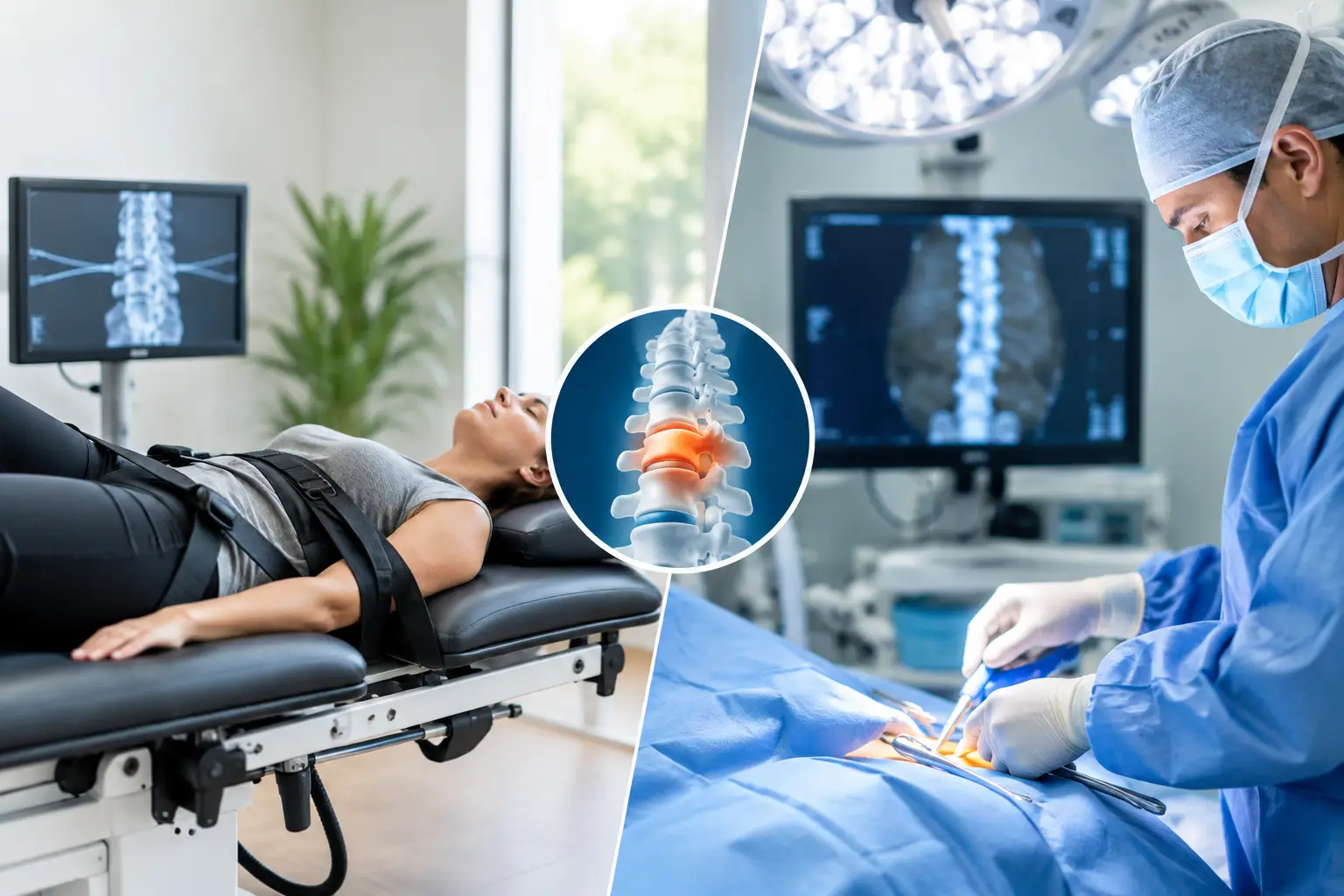
Spinal Decompression Versus Surgery Explained
Compare spinal decompression versus surgery for disc pain, sciatica, and spinal stenosis. Learn who may benefit, when surgery is needed, and next steps.

How to Relieve Pinched Nerve Pain Without Guesswork
Learn how to relieve a pinched nerve with safe home steps, warning signs, and root-cause care that helps restore movement and lasting comfort over time.

How to Improve Mobility After Injury Safely
Learn how to improve mobility after injury with personalized care that reduces pain, restores movement, and supports a safer, lasting recovery daily, too.
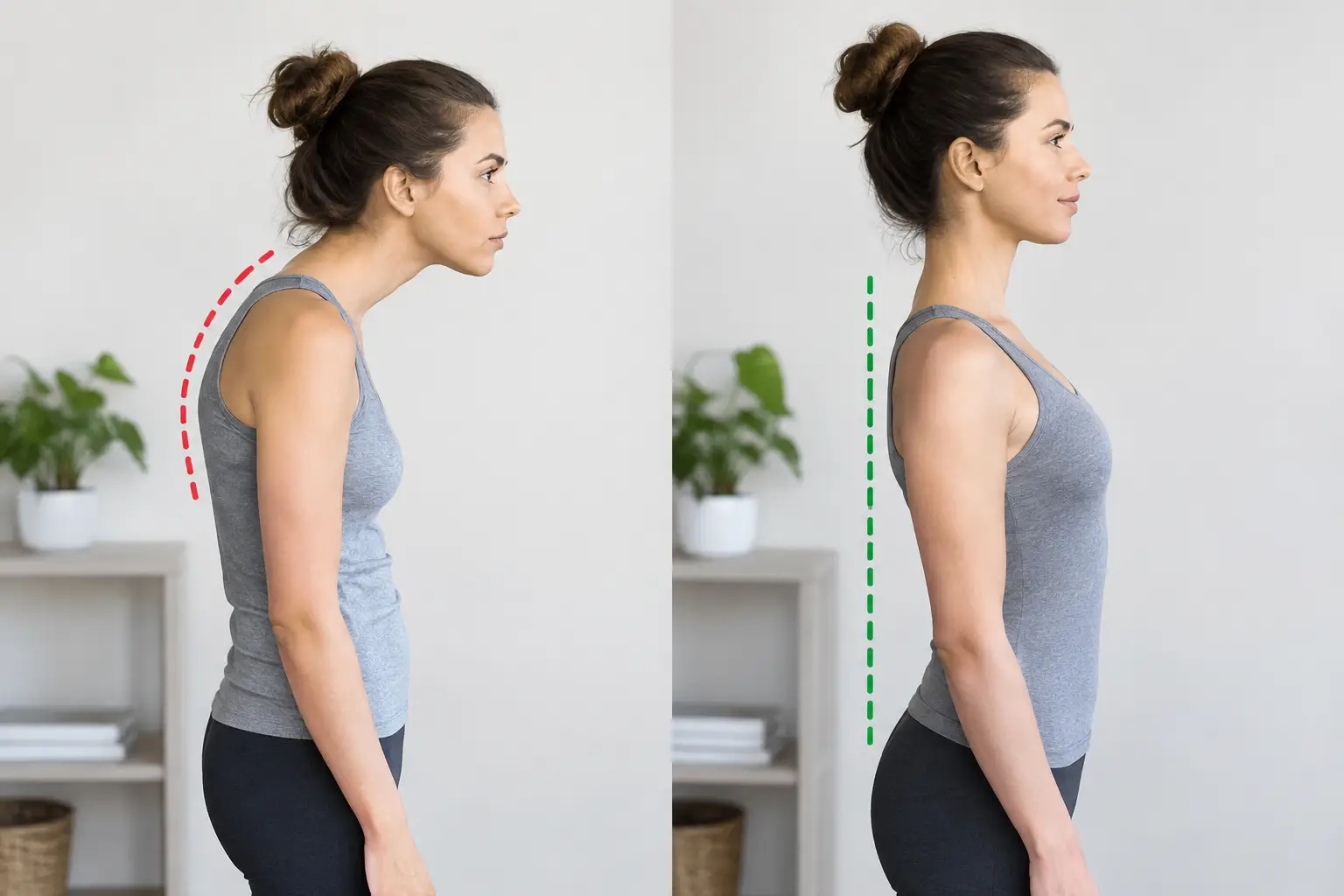
How to Improve Forward Head Posture for Good
Learn how to improve forward head posture with corrective care, simple daily habits, and a plan that helps reduce neck strain and restore movement safely.