
Why Does My Neck Hurt? Causes and Lasting Relief

That stiff turn when you check your blind spot, the ache that builds by midafternoon, or the headache that starts at the base of your skull can make an ordinary day feel much harder. If you are asking, “why does my neck hurt,” the answer is rarely as simple as sleeping in the wrong position. Neck pain often reflects how your spine, muscles, posture, daily habits, past injuries, and overall health are working together.
A heating pad or over-the-counter medication may calm symptoms for a few hours. But when pain keeps returning, it is worth looking beyond temporary relief to get to the root of the problem. The goal is not only to feel better today, but to restore movement, support healthy spinal function, and reduce the triggers that keep aggravating your neck.
Why Does My Neck Hurt? Common Causes
Your neck, or cervical spine, supports the weight of your head while allowing you to look up, down, and side to side. It relies on small joints, discs, nerves, ligaments, and muscles to work in coordination. When one area is irritated or not moving well, surrounding tissues often compensate.
Poor posture is a common contributor. Looking down at a phone, laptop, or paperwork for hours can pull the head forward relative to the shoulders. This position increases strain on the muscles at the back of the neck and upper back while tightening tissues across the chest and front of the shoulders. A desk setup that is too low, a monitor off to one side, or long stretches of driving can create the same pattern.
Muscle tension can also develop after stress, poor sleep, an unfamiliar workout, or repetitive work. Many people hold tension in their upper trapezius muscles, shoulders, and jaw without realizing it. The result may be a dull ache, limited range of motion, tight knots, or pain that spreads toward the shoulder blades.
Sometimes the source is a more specific spinal issue. Joint restriction, disc irritation, degenerative changes, a bulging or herniated disc, or nerve irritation may lead to neck pain. If a nerve is involved, symptoms can travel beyond the neck into the shoulder, arm, hand, or fingers. Tingling, numbness, burning, or weakness should not be ignored, especially if it is worsening.
An old injury can matter, too. A car accident, sports collision, fall, or work injury may create a whiplash-type strain that changes how the neck moves and stabilizes itself. Even when the first episode seemed to resolve, compensation patterns can persist and flare up months or years later.
The Location and Timing of Pain Offer Clues
The details of your symptoms help guide a more complete evaluation. Pain on one side after waking may point toward a sleeping position, muscle strain, or irritated facet joint. Pain that worsens after computer work often has a postural and muscular component. A sharp pain when turning your head may indicate restricted motion or a joint problem that needs attention.
Neck pain paired with headaches is another common pattern. Tight upper-neck muscles and restricted cervical joints can refer discomfort toward the back of the head, temples, or behind the eyes. In some cases, jaw clenching, poor ergonomics, dehydration, stress, or inadequate sleep can add to the cycle.
Pain that radiates into the arm requires more careful consideration. Cervical nerve irritation may occur when swelling, disc changes, or narrowed spaces affect a nerve root. The right approach depends on your examination findings, health history, and the severity of your symptoms. Not every case needs the same treatment, and pushing through pain is not always the answer.
When Neck Pain Needs Prompt Medical Attention
Most neck pain is mechanical and responds well to appropriate conservative care. However, certain symptoms call for prompt medical assessment. Seek urgent care if neck pain follows a significant accident or fall, or if you have severe pain with a new inability to move your neck.
You should also be evaluated quickly for new or progressive arm or leg weakness, loss of coordination, trouble walking, numbness that is spreading, loss of bowel or bladder control, fever with severe neck stiffness, unexplained weight loss, or a sudden, unusually severe headache. These symptoms may indicate a problem beyond routine muscle tension and deserve timely attention.
For persistent pain that disrupts sleep, work, exercise, or daily activities, an individualized evaluation can help clarify what is driving it. Waiting until symptoms become severe often allows compensation patterns to become more entrenched.
Look Beyond the Painful Spot
The neck is connected to the rest of your body. A rounded upper back, uneven shoulders, reduced core strength, limited shoulder mobility, or a forward-head posture can all place extra demand on the cervical spine. This is why simply rubbing the sorest muscle may not create lasting change.
A root-cause approach considers the full pattern. That includes when your symptoms began, previous injuries, workstation setup, sleep habits, exercise routine, stress level, posture, range of motion, and neurological signs. If neck pain is accompanied by fatigue, inflammation, poor sleep, frequent headaches, or difficulty maintaining healthy habits, those factors may also affect recovery.
At Natural Medicine & Chiropractic Specialties, care begins with understanding what is limiting your function rather than assuming every neck problem is the same. A thorough assessment can identify postural changes, spinal movement restrictions, muscle imbalance, and other contributors that may be keeping your symptoms active.
Corrective Care Can Support Lasting Improvement
The best care plan depends on the cause of your pain. For some people, a brief period of reduced activity and gentle movement is appropriate. For others, corrective chiropractic care, targeted rehabilitation, ergonomic changes, and supportive therapies can help restore healthier movement patterns.
Chiropractic BioPhysics-informed care focuses on spinal alignment, posture, and function. When clinically appropriate, gentle chiropractic adjustments may help improve joint motion and reduce mechanical stress. Corrective exercises can strengthen the muscles that support the neck, upper back, and shoulders so your body is better prepared for work, driving, exercise, and everyday life.
Non-invasive therapies may also be considered based on your needs. Class IV laser therapy and electroanalgesic therapy can be used to support pain reduction and tissue recovery. For certain soft-tissue conditions, radial pressure wave technology or StemWave therapy may be part of a personalized plan. These options are not one-size-fits-all solutions, but they can complement hands-on care, movement rehabilitation, and lifestyle changes when matched to the right patient.
Your daily environment matters just as much as what happens in the clinic. Raise your screen so you are not constantly looking down, bring frequently used items within easy reach, and take short movement breaks instead of holding one position for hours. When using a phone, bring it closer to eye level. Choose a pillow that keeps your neck in a neutral position rather than sharply bent forward or sideways. Small adjustments can reduce repeated strain throughout the day.
Do Not Let Temporary Relief Be the Finish Line
Neck pain can improve, then return the moment you resume the same routines that contributed to it. That does not mean you are destined to live with stiffness or avoid the activities you enjoy. It means your plan may need to address more than the immediate discomfort.
If your neck keeps hurting, pay attention to the pattern: what makes it worse, what helps, where symptoms travel, and how much they affect your life. A personalized evaluation can provide clarity, help rule out concerns that need additional medical attention, and create a practical path toward stronger movement and more comfortable days.

Metabolic Health: Weight Is Only One Signal
Metabolic health affects energy, weight, cravings, sleep, and inflammation. Learn what shapes it and how personalized care can support lasting change naturally.
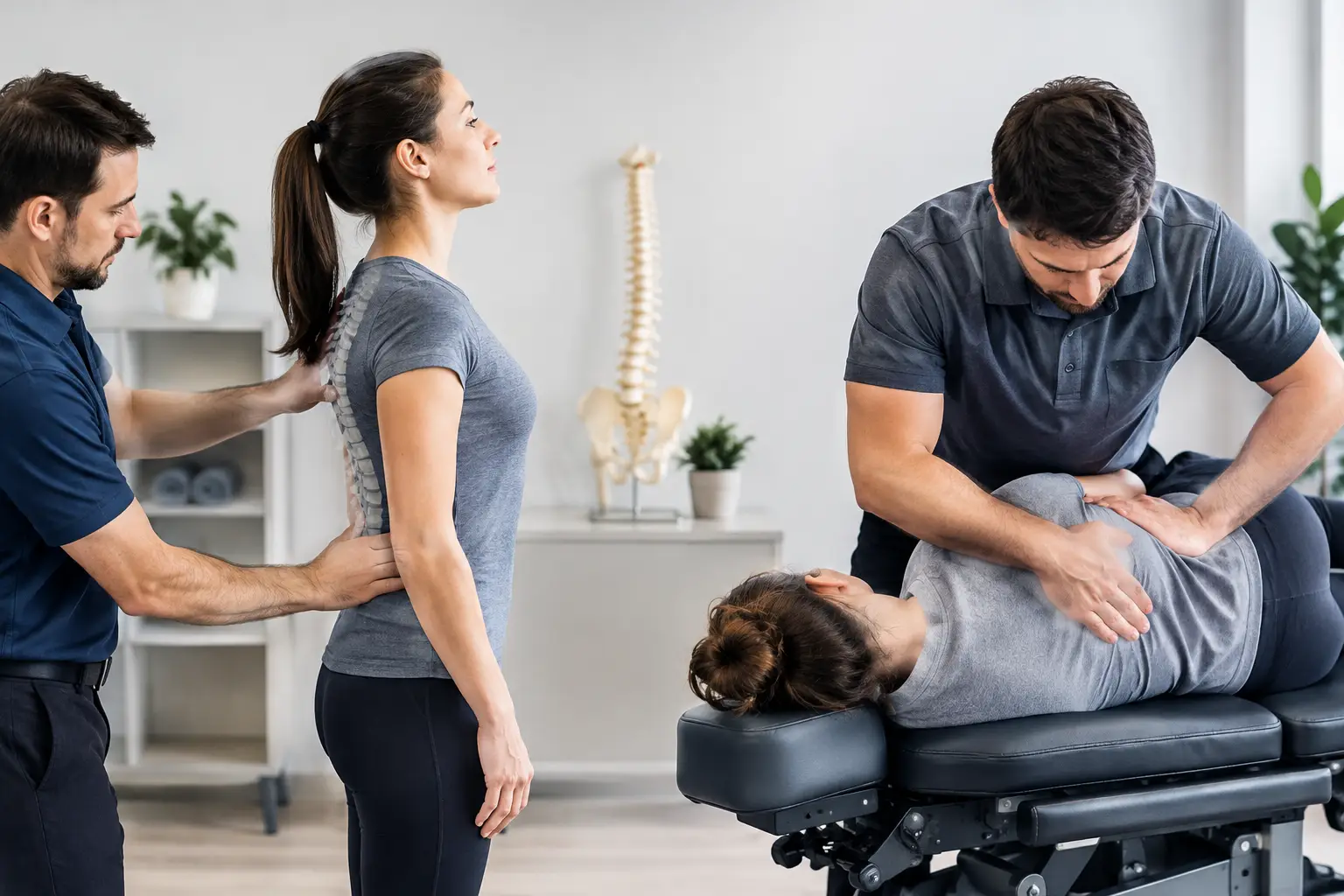
Chiropractic BioPhysics Versus Adjustments
Chiropractic BioPhysics versus adjustments: compare corrective care with traditional manipulation and see which approach may support your mobility goals.
Why Does My Neck Hurt? Causes and Lasting Relief
Why does my neck hurt? Learn common causes, warning signs, and natural, personalized ways to restore movement and reduce recurring neck pain comfortably.

Whiplash Recovery Examples: What Progress Looks Like
See whiplash recovery examples, from early pain relief to restored movement, and learn how individualized, non-invasive care supports lasting function.

Disc Herniation Recovery Guide: What Helps Healing
Use this disc herniation recovery guide to understand symptoms, treatment options, safe movement, and when personalized care can help you heal well again.