
Chiropractic BioPhysics Versus Adjustments
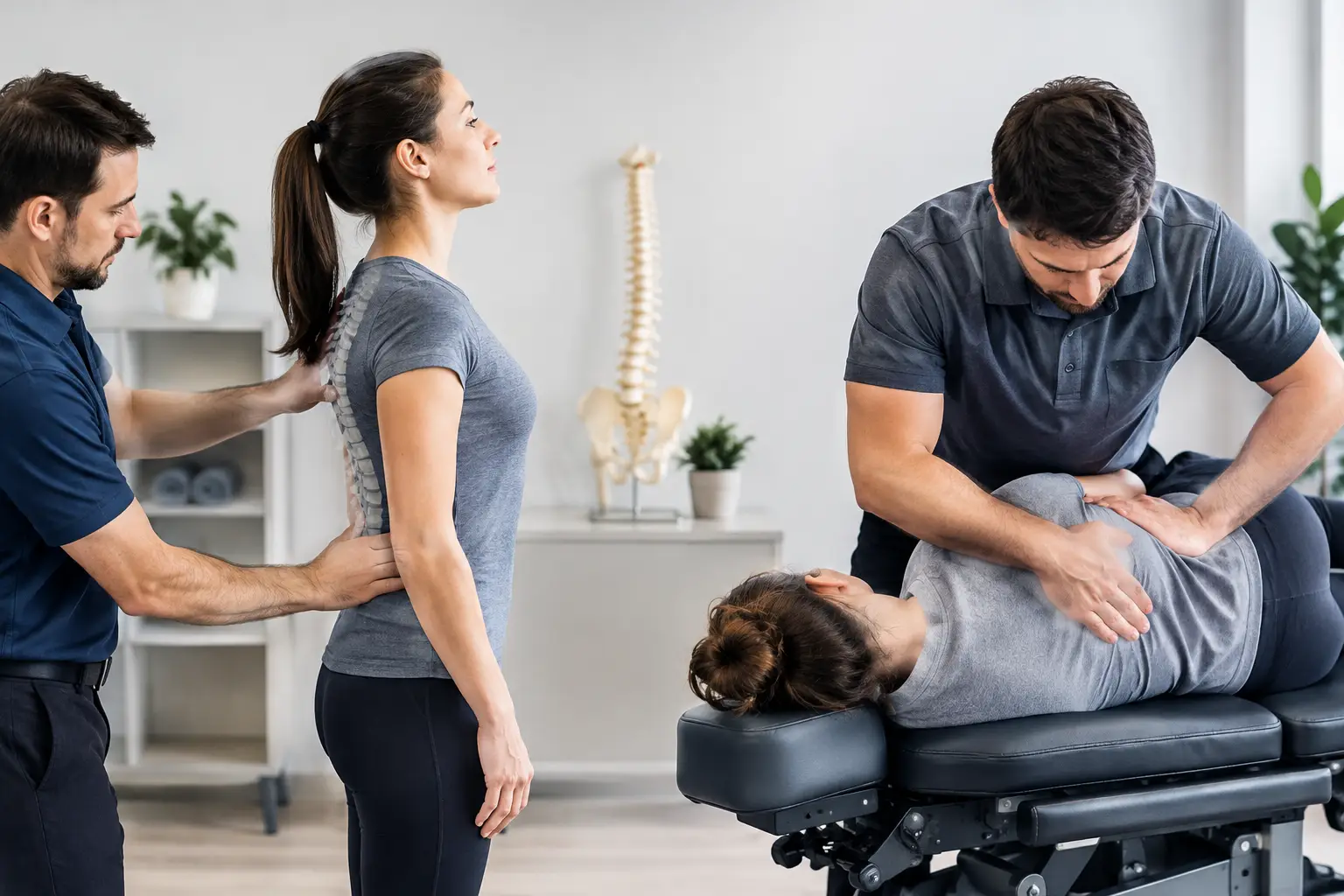
That sharp pull when you check your blind spot, the headache that builds after a day at the computer, or the low-back pain that returns every few weeks can make one question feel urgent: What kind of chiropractic care will actually help? When considering Chiropractic BioPhysics versus adjustments, the key difference is not that one approach “works” and the other does not. It is the goal, the depth of evaluation, and whether care is designed primarily for short-term relief, longer-term structural rehabilitation, or both.
A standard chiropractic adjustment can be an effective part of care for joint restriction, muscle guarding, and certain types of back or neck pain. Chiropractic BioPhysics, often called CBP, uses adjustments too, but places them within a more detailed corrective strategy. For people in Cumming and North Georgia who are tired of managing recurring pain without a clear plan, understanding that distinction can help them make a more confident decision.
Chiropractic BioPhysics Versus Adjustments: The Core Difference
A chiropractic adjustment is a skilled, controlled force applied to a spinal joint or other joint that is not moving as well as it should. The purpose may be to improve motion, reduce stiffness, and support healthier nervous system and musculoskeletal function. Adjustments may be delivered by hand or with an instrument, depending on the patient’s needs, comfort, and clinical findings.
Many people feel looser or more comfortable after an adjustment. For an acute flare-up, such as a stiff neck after sleeping awkwardly or back pain after lifting, that relief can be meaningful. Yet an adjustment alone does not always explain why the same problem keeps returning.
Chiropractic BioPhysics is a technique and rehabilitation approach that examines spinal alignment, posture, movement patterns, and the relationship between spinal curves and function. Rather than focusing only on the painful area, CBP-informed care asks bigger questions: Is a forward head posture increasing strain on the neck? Is loss of a normal lumbar curve contributing to recurring low-back tension? Are compensations through the shoulders, hips, or pelvis affecting how the body moves?
The goal is to get to the root of the problem when possible. That often means using adjustments as one part of a personalized plan that can also include corrective exercises, specific traction protocols, posture education, and progress evaluations.
What a Traditional Adjustment-Focused Visit May Look Like
In a conventional adjustment-focused model, the visit often centers on your current symptoms and areas of restricted motion. Your chiropractor performs an examination, identifies joints that may be contributing to discomfort, and provides appropriate chiropractic manipulation or mobilization. Soft-tissue work, stretching, home exercises, or therapeutic therapies may also be included.
This approach can be practical for someone with occasional pain, a recent minor strain, or a short-term movement restriction. It may also be a helpful component of ongoing wellness care for people who respond well to periodic support.
The trade-off is that symptom-based care can become repetitive if underlying postural stress, deconditioning, work ergonomics, old injuries, or lifestyle factors are not addressed. A patient may feel better after each visit but still notice the same pain pattern returning after long drives, demanding workdays, workouts, or poor sleep.
That does not mean adjustments are temporary by definition. It means the right plan depends on the reason symptoms developed, how long they have been present, and what physical changes are needed to improve function.
How CBP-Informed Corrective Care Is Different
CBP-informed care begins with a more comprehensive assessment. Depending on your history and clinical needs, this may include posture analysis, range-of-motion testing, orthopedic and neurologic evaluation, functional movement assessment, and imaging when clinically appropriate. The purpose is not to chase a perfect-looking posture. It is to identify measurable patterns that may be placing unnecessary stress on joints, discs, muscles, and nerves.
For example, a person with chronic neck pain and headaches may also have a forward head position, rounded shoulders, weak postural endurance, and restricted upper-back movement. Adjusting the neck may provide relief, but a corrective plan could also address the patterns that keep loading the neck throughout the day.
Corrective care commonly combines three elements: specific adjustments, targeted exercises, and spinal traction or positioning strategies. In CBP, “mirror-image” methods may be used to move the body in a direction opposite its measured postural distortion. The intention is to retrain movement, improve tolerance to healthier positions, and support changes over time.
Progress should be monitored rather than assumed. Some patients improve quickly; others need a longer rehabilitation period, particularly when pain has been present for years or when scoliosis, disc problems, postural changes, prior injuries, or significant mobility loss are involved. Results vary, and no responsible provider should promise that every spinal curve or symptom will resolve completely.
Who May Benefit From Each Approach?
An adjustment-focused approach may be a reasonable fit if your symptoms are recent, mild, and clearly related to a temporary strain or restricted joint movement. It may also suit patients who want periodic care to maintain mobility and who do not have major structural or functional concerns.
CBP-informed corrective care may be worth considering when you are dealing with recurring neck or back pain, migraines associated with neck tension, sciatica, numbness or tingling, poor posture, reduced range of motion, scoliosis-related concerns, or lingering pain after an auto accident or work injury. It can also be valuable for active adults whose movement has changed after years of desk work, parenting, repetitive lifting, or previous injuries.
The best choice is not always either-or. Many patients need relief first because pain is limiting sleep, work, exercise, or daily life. Once symptoms are calmer, the focus can shift toward rebuilding strength, improving mobility, and addressing the mechanical stresses that contributed to the problem.
A Corrective Plan Should Still Be Personal
Corrective chiropractic care is not a one-size-fits-all series of visits. The right plan considers your age, health history, goals, daily demands, imaging findings when needed, and response to care. A warehouse worker with low-back pain, a parent with recurring migraines, and an older adult with balance concerns may all need very different strategies.
At Natural Medicine & Chiropractic Specialties, care can be coordinated with non-invasive therapies when clinically appropriate. Spinal decompression may be considered for certain disc-related conditions. Class IV laser therapy, electroanalgesic therapy, radial pressure wave technology, or StemWave therapy may be used to support pain relief and tissue recovery goals. These therapies do not replace a careful diagnosis, corrective movement, or healthy daily habits, but they can help create a better environment for rehabilitation.
For patients whose pain is affected by inflammation, poor sleep, weight changes, fatigue, or digestive concerns, a broader functional-medicine conversation may also be useful. Musculoskeletal health does not exist separately from metabolic health, nutrition, stress, and recovery. Addressing the full picture can make it easier to sustain progress.
Questions to Ask Before Starting Care
Before choosing a chiropractor or treatment plan, ask what the examination will include and how your provider will determine whether care is helping. You should understand the recommended frequency of visits, the expected phases of care, what you will be asked to do at home, and how progress will be measured.
It is also reasonable to ask whether imaging is necessary in your situation, what alternatives exist, and when referral to another healthcare provider is appropriate. Chiropractic care is not the right first step for every condition. New weakness, loss of bowel or bladder control, severe trauma, fever with back pain, unexplained weight loss, or rapidly worsening symptoms require prompt medical evaluation.
A good care plan should leave you feeling informed and involved, not pressured. You should know the purpose behind each recommendation and have realistic expectations about what improvement may look like.
The most helpful next step is a thorough consultation that looks beyond where it hurts. When your care addresses pain, posture, movement, daily habits, and the factors that keep aggravating your body, you have a clearer path toward moving with more confidence and building health that lasts.

Metabolic Health: Weight Is Only One Signal
Metabolic health affects energy, weight, cravings, sleep, and inflammation. Learn what shapes it and how personalized care can support lasting change naturally.
Chiropractic BioPhysics Versus Adjustments
Chiropractic BioPhysics versus adjustments: compare corrective care with traditional manipulation and see which approach may support your mobility goals.

Why Does My Neck Hurt? Causes and Lasting Relief
Why does my neck hurt? Learn common causes, warning signs, and natural, personalized ways to restore movement and reduce recurring neck pain comfortably.

Whiplash Recovery Examples: What Progress Looks Like
See whiplash recovery examples, from early pain relief to restored movement, and learn how individualized, non-invasive care supports lasting function.

Disc Herniation Recovery Guide: What Helps Healing
Use this disc herniation recovery guide to understand symptoms, treatment options, safe movement, and when personalized care can help you heal well again.