
Spinal Decompression in Cumming, GA for Back Pain
That sharp pain when you stand from the couch, the ache that travels from your low back into your leg, or the stiffness that makes a short drive feel like a long one can change how you move through every day. For people searching for spinal decompression Cumming GA care, the goal is usually not simply to feel better for a few hours. It is to understand what is placing stress on the spine and create a practical path back to comfortable movement.
Spinal decompression is a non-surgical therapy designed to gently unload targeted areas of the spine. For the right patient, it can be a valuable part of a corrective care plan for disc-related pain, sciatica, recurring neck or back discomfort, and reduced mobility. It is not a one-size-fits-all answer, and it works best when guided by a thorough evaluation of your symptoms, spinal function, history, and health goals.
What Spinal Decompression Is Designed to Do
Your spinal discs act as cushions between the bones of the spine. They help absorb forces from walking, lifting, bending, and daily activity. Over time, injury, repetitive strain, poor mechanics, prolonged sitting, degenerative changes, or a sudden incident can place extra pressure on those discs and nearby nerves.
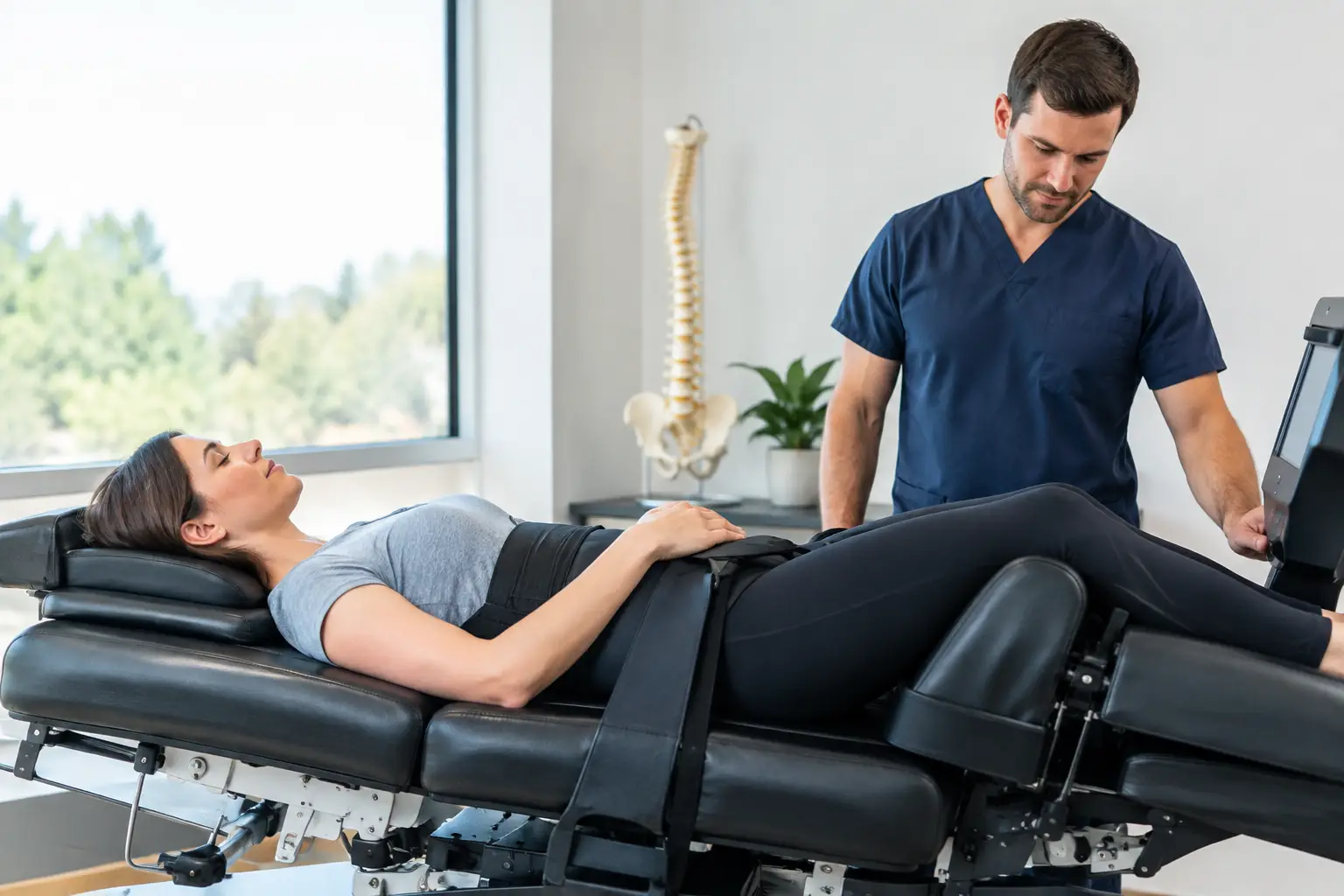
Non-surgical spinal decompression uses controlled, computer-guided traction to gently stretch and relax the spine in cycles. The purpose is to reduce pressure within a targeted spinal segment while creating an environment that may support disc hydration, nutrient exchange, and healing. This can also reduce irritation around a compressed or sensitive nerve.
Treatment is performed while you are comfortably positioned on a specialized table. The pull is gradual and precisely adjusted, which makes it very different from hanging upside down or trying to forcefully stretch your back at home. Many patients find the sessions relaxing, although the right settings and treatment frequency depend on the individual.
The goal is not to chase symptoms alone. If pain has been limiting your work, sleep, exercise, family time, or confidence in your body, care should also focus on why that area became vulnerable in the first place.
When Spinal Decompression in Cumming, GA May Help
A decompression evaluation may be appropriate for people whose symptoms suggest disc or nerve involvement. Low back pain that radiates into the buttock, hip, or leg is one common example. Neck pain that spreads into the shoulder, arm, or hand can also point to nerve irritation higher in the spine.
Patients often seek care after dealing with a bulging or herniated disc, degenerative disc changes, sciatica, numbness or tingling, or pain that keeps returning after temporary relief. Others notice they cannot sit comfortably through a workday, sleep in a normal position, pick up a child, finish a round of golf, or walk as far as they once could.
Spinal decompression may also be considered after an accident or work injury when a clinician determines it is safe and appropriate. The timing matters. An acute injury, inflammatory flare, or significant neurological symptom may require a different first step, additional evaluation, or coordinated medical care.
Pain location alone does not tell the full story. Hip discomfort may be related to the lower back, but it may also come from the hip joint, muscular imbalance, or movement patterns. Likewise, leg pain is not always sciatica. A careful assessment helps get to the root of the problem instead of assuming every ache needs the same treatment.
A Personalized Plan Goes Beyond the Decompression Table
A decompression session can be an important tool, but lasting improvement often requires more than traction alone. At Natural Medicine & Chiropractic Specialties, treatment plans are built around how your spine is functioning, what is contributing to your symptoms, and what you need to return to the activities that matter to you.
Corrective chiropractic care may be used to address joint restrictions, postural stress, and spinal alignment concerns that can affect how forces are distributed through your body. Chiropractic BioPhysics-informed care looks beyond the site of pain to evaluate the structural patterns that may be keeping that pain in motion.
Depending on your needs, your plan may also include supportive therapies such as Class IV laser therapy, electroanalgesic therapy, or other non-invasive options intended to help manage pain and support tissue recovery. Targeted movement recommendations can help restore stability and mobility without asking an irritated area to do too much too soon.
Daily habits matter, too. The way you sit at work, lift groceries, train at the gym, sleep, manage stress, and recover after activity can either support progress or repeatedly aggravate the same tissues. Small, realistic changes tend to be more sustainable than a long list of restrictions. The right plan should help you understand what your body needs and give you a way to act on it.
What a Decompression Evaluation Should Include
Before beginning spinal decompression, a clinician should take time to understand the full picture. That includes the onset and pattern of pain, prior injuries, surgeries, imaging when available, current medications, and changes in strength, sensation, coordination, or bowel and bladder function.
A physical examination may assess posture, range of motion, reflexes, muscle strength, sensation, and how specific movements affect your symptoms. In some cases, imaging or communication with another healthcare provider may be needed before care begins. This process is not a delay. It helps determine whether decompression is a sensible option and how to apply it safely.
You should also have clear expectations about your plan. Some patients notice changes relatively early, while others require a more gradual course of care, especially when symptoms have been present for months or years. Progress may show up first as better sleep, fewer flare-ups, an easier time standing, or less pain traveling into the leg. Functional gains are often just as meaningful as a number on a pain scale.
Who May Need a Different Approach
Spinal decompression is not appropriate for every condition. Certain fractures, spinal instability, severe osteoporosis, active infection, some cancers affecting the spine, and particular surgical histories can change whether traction is advisable. Pregnancy and implanted devices may also require special consideration depending on the therapy and clinical circumstances.
Severe or worsening weakness, loss of coordination, new bowel or bladder changes, saddle-area numbness, fever with back pain, or pain following major trauma deserve prompt medical evaluation. These symptoms should not be managed by simply stretching, resting, or hoping they pass.
That is why personalized care matters. The best treatment is not the most advertised machine or the fastest promise. It is the approach that fits your diagnosis, physical capacity, risk factors, and goals.
Building Toward Comfortable, Confident Movement
When back or neck pain has been around for a long time, it is easy to start organizing life around what hurts. You may avoid travel, turn down activities, rely on pain medication more often than you want, or stop exercising because every attempt causes a flare. Those adjustments can feel necessary, but they can also shrink your world over time.
A well-designed spinal decompression plan aims to help interrupt that pattern. By reducing stress on irritated spinal structures and pairing treatment with corrective care, appropriate therapies, and practical lifestyle guidance, the focus shifts from temporary symptom masking to restoring function.
If disc-related pain, sciatica, or persistent spinal discomfort is keeping you from moving normally, a consultation can help clarify your options. The next useful step is not guessing whether a treatment will work for someone else. It is finding out what your spine needs to move forward with greater comfort and confidence.

How to Relieve Work Injury Pain Without Guesswork
Learn how to relieve work injury pain with thoughtful, non-invasive care that supports movement, healing, and a safer return to daily work and life.
Spinal Rehabilitation Treatment Guide for Lasting Relief
A spinal rehabilitation treatment guide for people seeking less pain, stronger movement, and personalized non-invasive care for lasting progress at home.
Top Noninvasive Back Pain Treatments That Last
Explore top noninvasive back pain treatments, from corrective chiropractic care to decompression and laser therapy, and find a plan for lasting relief.

Nutrition Coaching for Cravings That Lasts
Nutrition coaching for cravings helps uncover the habits, meal patterns, and health factors behind urges so you can build steady daily control for good.

Chiropractic Versus Opioids for Back and Neck Pain
Chiropractic versus opioids: understand relief, risks, and when a personalized, non-invasive plan may help restore movement and daily function naturally.