
Corrective Chiropractic Care in Cumming, GA
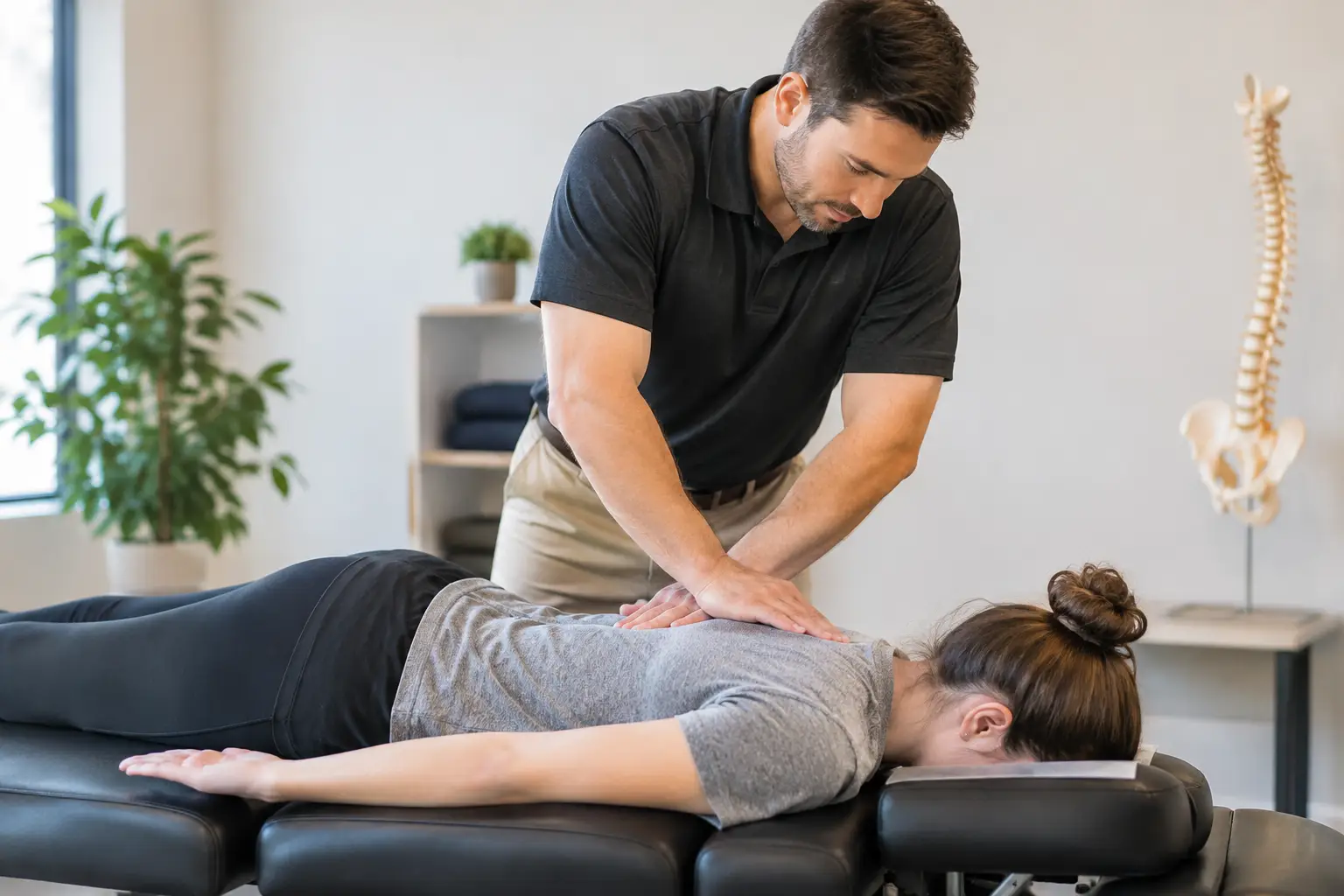
A sore back after a long workday is frustrating. Pain that returns every few weeks, limits your golf swing, wakes you at night, or sends numbness down your leg is a different kind of problem. When people search for corrective chiropractic care Cumming, they are often looking for more than a quick adjustment. They want to understand why their body is not moving well and what can be done to help it function better over time.
Corrective care starts with that bigger question. Rather than focusing only on where pain is felt, it looks at posture, spinal alignment, movement patterns, injury history, work demands, activity level, and the daily habits that may be placing ongoing stress on the body. The goal is to get to the root of the problem and build a plan that supports meaningful, lasting improvement.
What Makes Care “Corrective”?
Traditional chiropractic visits can be helpful for short-term relief from joint restriction, muscle tension, or an acute flare-up. Corrective chiropractic care has a broader rehabilitation focus. It seeks to identify structural and functional patterns that may be contributing to recurring discomfort, reduced mobility, poor posture, or a sense that your body never fully recovers.
For example, a person with recurring headaches may have forward head posture, restricted motion in the neck, and upper-back muscle fatigue from hours at a computer. Someone with low back pain may also have a history of lifting injuries, weak postural support, altered hip mechanics, or disc-related irritation. Pain is real and deserves attention, but it may be the final signal in a longer chain of dysfunction.
A corrective plan may include Chiropractic BioPhysics-informed assessment and techniques, chiropractic adjustments, posture-focused rehabilitation, guided exercise, and lifestyle recommendations. The exact plan depends on the individual. A recent auto injury, longstanding scoliosis, degenerative changes, sciatica, and a desk-related postural problem do not call for the same timeline or treatment approach.
Corrective Chiropractic Care in Cumming Begins With Answers
The first step should not be guessing. A thorough consultation gives your provider the context needed to make appropriate recommendations. This may include a discussion of your symptoms, previous injuries, work setup, exercise habits, sleep, stress, and health goals. A clinical examination can assess posture, spinal movement, muscle balance, neurological signs, and areas of tenderness or restriction.
When clinically appropriate, imaging may be used to better understand spinal alignment or structural concerns. That information helps establish whether corrective care is a reasonable fit, which areas need attention, and how progress can be measured. It also helps determine when a patient needs referral or co-management with another healthcare provider.
At Natural Medicine & Chiropractic Specialties, care is designed around the person in front of the clinician, not a preset sequence of appointments. A personalized plan should clearly explain what is being addressed, what therapies may help, what you can do at home, and what realistic progress may look like.
Common Problems a Corrective Approach May Address
Corrective chiropractic care is often sought by adults who are tired of cycling between pain relief and relapse. It may be considered for neck and back pain, posture-related strain, headaches or migraines, sciatica, disc discomfort, numbness or tingling, reduced range of motion, and certain scoliosis or spinal alignment concerns.
It can also be valuable after a car accident or work injury. Even when a person can continue working or caring for family, stiffness, muscle guarding, and altered movement can linger. Addressing those changes early may support a better recovery and help reduce the chance that a temporary injury becomes a long-term limitation.
Active adults may notice the problem first as a loss of performance. Running feels uneven, lifting aggravates one side of the body, a shoulder will not move through its full range, or recovery takes longer than it used to. Older adults may be more focused on walking comfortably, gardening, playing with grandchildren, or staying independent. The objective is not simply to chase a pain score. It is to restore as much safe, useful movement as possible.
Treatment May Include More Than an Adjustment
An adjustment can be one part of a corrective plan, but it is rarely the whole plan. Depending on your examination and goals, care may also include spinal decompression, Class IV laser therapy, electroanalgesic therapy, shockwave therapy using radial pressure wave technology, or StemWave therapy. These non-invasive options are intended to support pain reduction, tissue recovery, circulation, or improved function in appropriate cases.
Spinal decompression, for instance, may be considered for certain disc-related symptoms or radiating pain when an evaluation suggests it is appropriate. Shockwave therapy may be used for persistent soft-tissue conditions, while Class IV laser therapy may help support the body’s healing response and reduce discomfort in targeted areas. No modality is a cure-all. The value comes from selecting the right tool for the right problem and pairing it with a plan that addresses movement, posture, and daily habits.
That distinction matters. Passive therapies may help you feel better enough to move, but lasting change usually requires active participation as well. Home exercises, workstation changes, walking, strength work, hydration, sleep, and nutrition can all influence how well the body responds. Your care plan should fit your schedule and capacity. An unrealistic plan is not a sustainable plan.
How Long Does Corrective Care Take?
The honest answer is that it depends. A recent strain may improve differently than a condition that has developed over years. Factors such as age, tissue health, severity of symptoms, consistency with care, job demands, stress, sleep, and underlying medical conditions can affect the pace of progress.
Some patients notice symptom changes early, while postural and functional improvements may take longer. Corrective care is generally best viewed as a process with checkpoints, not a promise of instant results. Periodic reassessment allows the plan to be adjusted based on your response, changing goals, and improvements in movement or comfort.
A good clinician will also be clear about trade-offs. More frequent visits may be recommended during an active treatment phase, especially when pain is limiting function. As symptoms stabilize and you become more confident with home care, visit frequency may change. The right plan balances clinical need, your goals, and the practical realities of family, work, and budget.
A Whole-Body View Can Change the Conversation
Pain and mobility concerns do not always exist in isolation. Poor sleep, chronic stress, inflammation, digestive discomfort, fatigue, and weight changes can affect recovery, energy, and the ability to stay active. In some cases, a functional medicine perspective can help uncover lifestyle or metabolic factors that deserve attention alongside spinal care.
That does not mean every backache is caused by a nutritional issue, or that every health concern needs an extensive program. It means the care team should listen carefully and look for relevant connections. When broader health concerns are present, coordinated support with nutritional guidance, lifestyle coaching, and appropriate testing may help patients create healthier habits that support their physical progress.
When to Schedule an Evaluation
If pain keeps returning, your movement has become more limited, or you have tried temporary solutions without getting durable improvement, a corrective evaluation can provide useful clarity. Seek prompt medical attention for severe trauma, new bowel or bladder changes, progressive weakness, unexplained fever, or other urgent symptoms. Chiropractic care is most helpful when it is part of a thoughtful clinical decision, not a substitute for emergency care.
You do not have to accept recurring pain, stiffness, or reduced mobility as the price of getting older, working hard, or raising a family. A personalized evaluation can help you understand what is driving the problem, what options are available, and what steady progress could look like. The next helpful step may be simply asking better questions about your body and choosing care designed to address the answers for good.

How to Relieve Work Injury Pain Without Guesswork
Learn how to relieve work injury pain with thoughtful, non-invasive care that supports movement, healing, and a safer return to daily work and life.

Spinal Rehabilitation Treatment Guide for Lasting Relief
A spinal rehabilitation treatment guide for people seeking less pain, stronger movement, and personalized non-invasive care for lasting progress at home.

Top Noninvasive Back Pain Treatments That Last
Explore top noninvasive back pain treatments, from corrective chiropractic care to decompression and laser therapy, and find a plan for lasting relief.

Nutrition Coaching for Cravings That Lasts
Nutrition coaching for cravings helps uncover the habits, meal patterns, and health factors behind urges so you can build steady daily control for good.

Chiropractic Versus Opioids for Back and Neck Pain
Chiropractic versus opioids: understand relief, risks, and when a personalized, non-invasive plan may help restore movement and daily function naturally.