
Top Noninvasive Back Pain Treatments That Last
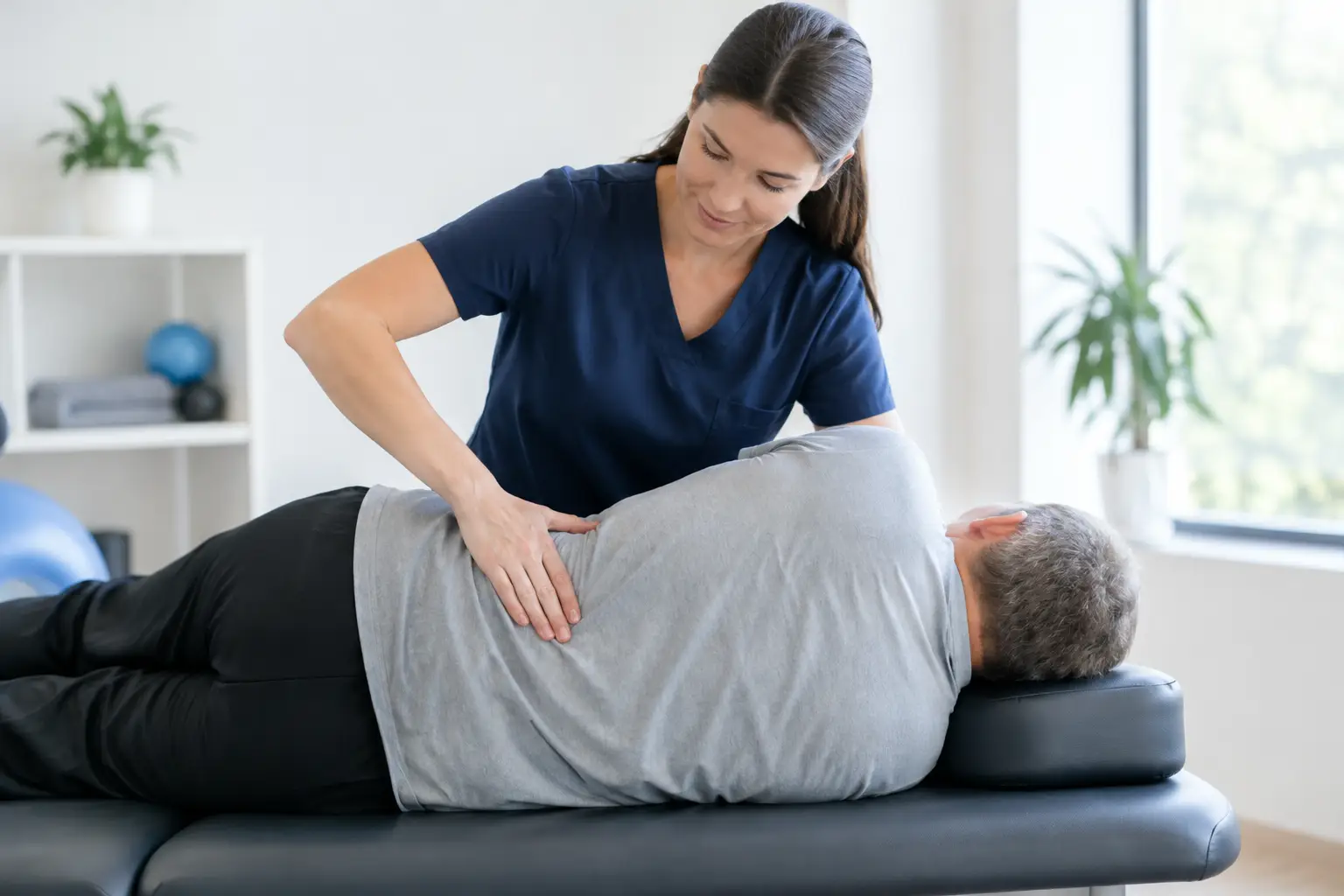
Back pain can change the way you work, sleep, exercise, drive, and show up for your family. When every bend, turn, or long car ride comes with a warning from your body, it is understandable to want relief quickly. The top noninvasive back pain treatments are not one-size-fits-all solutions. The right approach depends on what is driving the pain, whether that involves joint restriction, disc pressure, nerve irritation, muscle imbalance, poor posture, an old injury, inflammation, or a combination of factors.
For many people, the goal should be more than temporarily covering up symptoms. A thoughtful treatment plan looks at why your back has become painful, what movements are limited, and what can help restore healthier function over time.
Why the Cause of Back Pain Matters
“Back pain” describes a symptom, not a diagnosis. Low back pain after lifting a box may need a different approach than pain that travels down the leg, stiffness that builds after sitting all day, or recurring discomfort after a car accident. Even similar symptoms can have different underlying contributors.
A clinical evaluation can help identify patterns such as reduced spinal mobility, postural distortion, disc-related irritation, muscular compensation, or stress on the joints and soft tissues. Your provider should also ask about your daily activities, work setup, exercise habits, prior injuries, sleep, and overall health. These details can reveal why pain keeps returning after short-lived relief.
Noninvasive care is often an appropriate first step for many back conditions because it can support movement, reduce pain, and improve function without surgery. Still, not every patient is a candidate for every therapy. Severe or progressive weakness, loss of bladder or bowel control, unexplained fever, major trauma, or numbness in the groin area requires prompt medical attention.
Top Noninvasive Back Pain Treatments to Consider
Corrective chiropractic care
Chiropractic care can help when restricted joint movement, postural stress, spinal alignment concerns, or altered mechanics are contributing to back pain. Gentle, targeted adjustments may improve motion in joints that are not moving well, while helping reduce strain placed on surrounding muscles and tissues.
Corrective care takes the process further than an occasional adjustment for temporary relief. Chiropractic BioPhysics-informed care, for example, evaluates spinal alignment and posture alongside symptoms and movement patterns. A plan may include specific adjustments, exercises, traction, and posture-focused strategies intended to help the body hold improvements between visits.
This approach can be particularly relevant for people with recurring low back pain, neck and back stiffness, scoliosis-related postural challenges, chronic desk-work strain, or discomfort that worsens with standing, bending, or sitting. Results vary, and meaningful structural or functional improvement typically requires consistency rather than a single visit.
Spinal decompression
Spinal decompression is a non-surgical therapy designed to gently stretch and relax the spine in controlled cycles. This may help reduce pressure on discs and irritated spinal structures while encouraging circulation and nutrient exchange in the area.
It is often considered for disc bulges or herniations, degenerative disc changes, sciatica-like symptoms, and persistent low back pain that has not responded well to rest alone. Patients commonly describe decompression sessions as comfortable, though the best treatment schedule depends on the condition, symptom severity, and exam findings.
Decompression is not appropriate for everyone. Certain spinal conditions, fractures, severe osteoporosis, some surgical histories, and other health factors may change whether it is recommended. A proper evaluation protects patients from pursuing a therapy that does not fit their needs.
Class IV laser therapy
Class IV laser therapy uses focused light energy to support the body’s natural healing response in painful or injured tissues. It is commonly used to help manage inflammation, pain, stiffness, and soft-tissue irritation. Treatments are noninvasive, do not involve needles, and are generally quick.
For back pain, laser therapy may be used alongside chiropractic care or rehabilitation when muscle strain, ligament irritation, joint inflammation, or chronic soft-tissue sensitivity is part of the picture. It is rarely a complete answer by itself. Its value is often in helping a patient move more comfortably so they can participate in the corrective parts of their care plan.
Shockwave and radial pressure wave therapy
Shockwave therapy, including radial pressure wave technology, delivers acoustic waves to targeted tissues. It may be used for stubborn muscular tightness, trigger points, and certain chronic soft-tissue conditions that limit comfortable movement.
Back pain can lead to protective muscle guarding around the hips, pelvis, and spine. When those tissues stay tight, they can reinforce poor movement patterns and make everyday activities harder. Pressure wave therapy may help reduce this barrier for appropriate patients, particularly when paired with mobility work and corrective exercise.
Some people experience mild soreness after treatment, similar to what may occur after a challenging workout. Your provider should explain what to expect and adjust care based on your response.
Electroanalgesic therapy
Electroanalgesic therapy uses gentle electrical stimulation to help manage pain and influence muscle activity. Depending on the method and clinical goal, it may help relax muscle guarding, reduce pain signals, or support activation in muscles that have become underused after injury.
This can be useful during acute flare-ups or when pain is making it difficult to tolerate movement. However, passive therapies work best when they create an opportunity for active progress. Once pain is more manageable, the next step should include restoring mobility, strength, and confidence with daily activity.
Targeted exercise and movement retraining
Rest has a role after an acute injury, but prolonged inactivity can make many back problems worse. Muscles lose conditioning, joints become stiffer, and normal movements can start to feel threatening. The answer is not to push through sharp pain. It is to return to movement in a measured, individualized way.
A movement plan may focus on hip mobility, core stability, glute strength, walking tolerance, lifting mechanics, and posture. The right exercises are determined by what your body needs, not by a generic online routine. For example, a person with flexion-sensitive disc pain may need a different starting point than someone whose discomfort increases with extension or prolonged standing.
Lifestyle and functional medicine support
Persistent pain is not always purely mechanical. Sleep quality, stress, nutrition, inflammation, body weight, blood sugar regulation, and recovery habits can all affect how the body heals and how intensely pain is experienced.
Functional medicine does not replace a structural evaluation, but it can add useful context for patients with chronic inflammation, fatigue, digestive concerns, weight challenges, or slow recovery. Improving metabolic health and daily habits may help create a better environment for tissue repair, energy, and consistent movement.
How to Choose the Right Treatment Plan
The most effective plan is usually coordinated rather than centered on one machine or one appointment type. A person with sciatica-like pain from a disc issue may benefit from decompression, gentle chiropractic care, and a gradual movement plan. Someone with recurring pain after years of desk work may need postural correction, mobility work, ergonomic changes, and strategies to reduce muscle tension.
Ask practical questions before beginning care: What appears to be contributing to my pain? Which therapies are recommended and why? How will progress be measured? What can I do at home to support recovery? A provider should be able to explain the purpose of each part of your plan in clear language.
At Natural Medicine & Chiropractic Specialties, care is designed around the individual, with the goal of getting to the root of the problem instead of simply chasing the next flare-up. That may mean combining corrective chiropractic care with advanced pain-relief technology, nutritional guidance, and lifestyle support based on your history and goals.
Lasting improvement often begins with a simple shift: treat pain as useful information, not a condition you have to accept. With a careful evaluation and a plan that respects your body, you can take meaningful steps toward easier movement and a more active life.

How to Relieve Work Injury Pain Without Guesswork
Learn how to relieve work injury pain with thoughtful, non-invasive care that supports movement, healing, and a safer return to daily work and life.
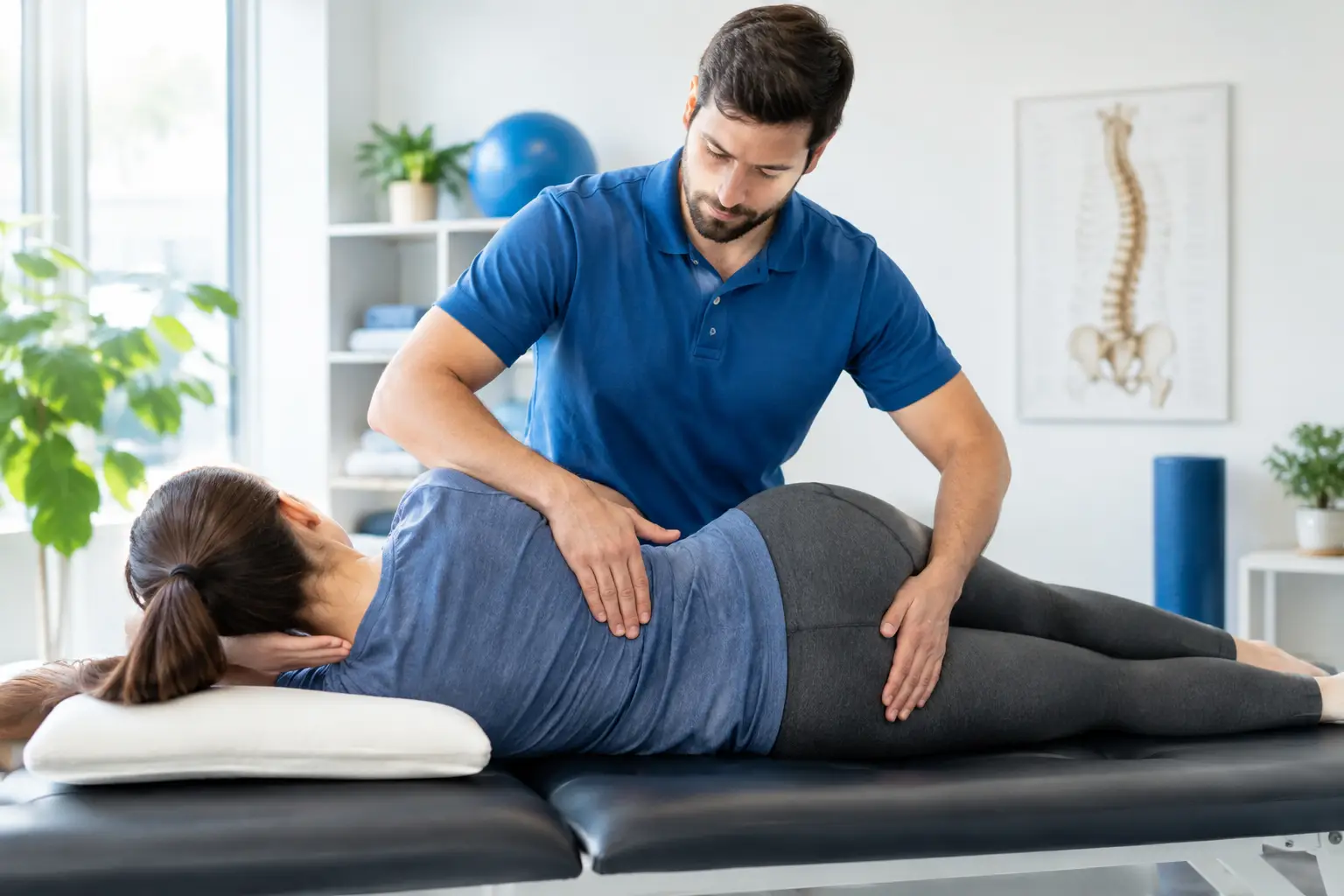
Spinal Rehabilitation Treatment Guide for Lasting Relief
A spinal rehabilitation treatment guide for people seeking less pain, stronger movement, and personalized non-invasive care for lasting progress at home.
Top Noninvasive Back Pain Treatments That Last
Explore top noninvasive back pain treatments, from corrective chiropractic care to decompression and laser therapy, and find a plan for lasting relief.

Nutrition Coaching for Cravings That Lasts
Nutrition coaching for cravings helps uncover the habits, meal patterns, and health factors behind urges so you can build steady daily control for good.

Chiropractic Versus Opioids for Back and Neck Pain
Chiropractic versus opioids: understand relief, risks, and when a personalized, non-invasive plan may help restore movement and daily function naturally.