
Chiropractic Versus Opioids for Back and Neck Pain

A flare-up of low back pain can make getting out of the car, lifting a child, or sleeping through the night feel impossible. When pain disrupts life, the question of chiropractic versus opioids is not simply about choosing natural care over medication. It is about understanding what may be driving the pain, what each option can realistically do, and how to move forward safely.
For many people in Cumming and North Georgia, the best plan is not an either-or decision made in isolation. It is a personalized approach that considers the severity and cause of pain, medical history, daily demands, and goals for returning to comfortable movement.
Chiropractic Versus Opioids: Different Roles in Pain Care
Opioids are prescription medications that may be used for severe acute pain, such as pain after major surgery, serious trauma, or certain cancer-related conditions. They work on the brain and nervous system to reduce the perception of pain. In limited situations and under close medical supervision, they can have a legitimate role.
But opioids do not correct a disc injury, improve spinal alignment, restore weakened movement patterns, or resolve the postural strain that may be contributing to recurring pain. They may reduce symptoms temporarily while the underlying problem remains.
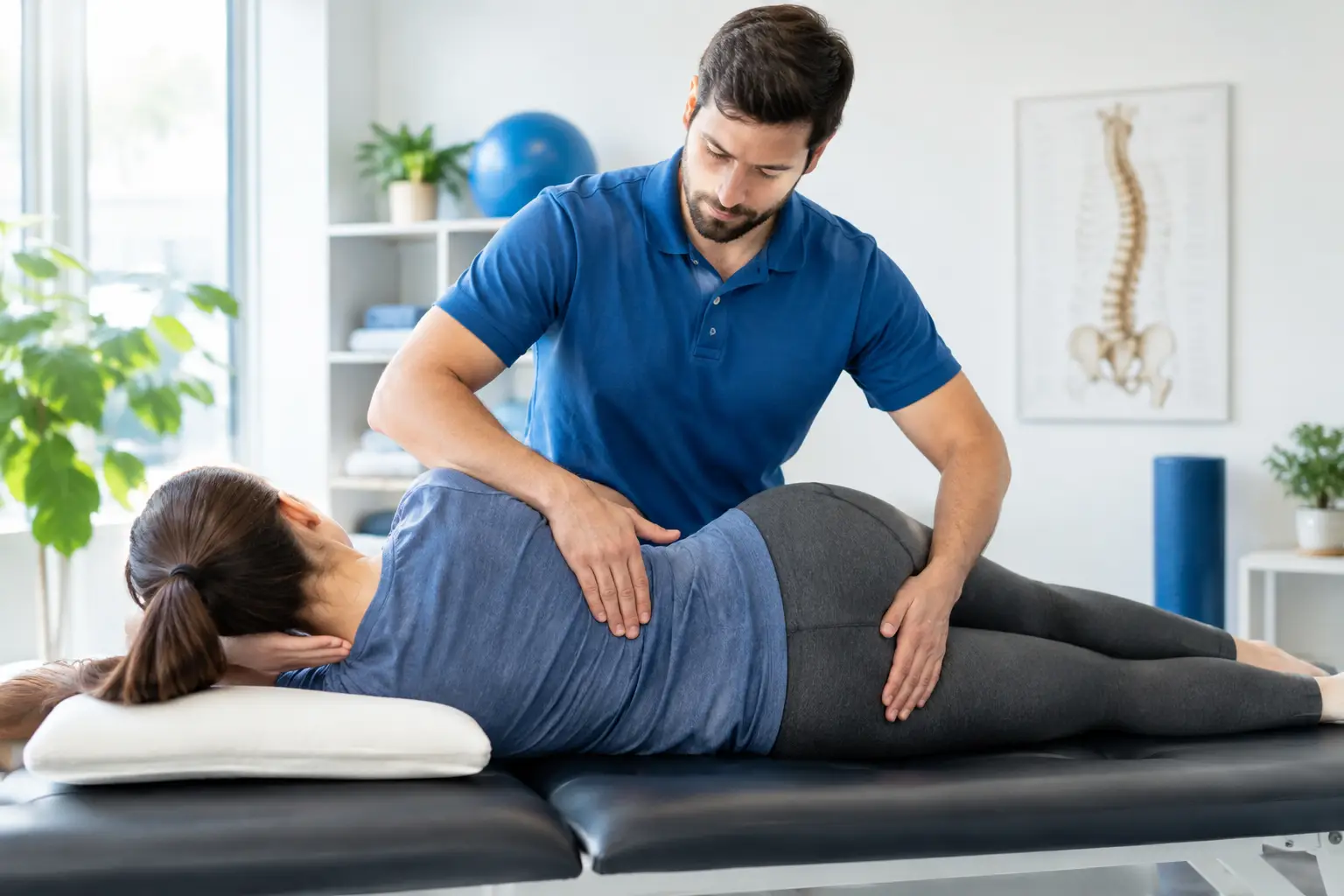
Chiropractic care has a different purpose. Corrective chiropractic care evaluates how the spine moves, how posture affects loading through the body, and whether restricted joints, muscle imbalance, nerve irritation, or disc stress may be limiting function. Treatment can include carefully selected adjustments, rehabilitative exercises, postural support, and therapies intended to help patients move better and tolerate daily activity with less discomfort.
This does not mean chiropractic care is appropriate for every painful condition, nor does it mean medication should never be used. It means patients deserve more than a plan centered only on suppressing symptoms when a non-invasive, root-cause-focused evaluation may be appropriate.
Why Long-Term Opioid Use Carries Meaningful Trade-Offs
Pain relief matters. No one should feel dismissed for wanting relief when pain is severe. At the same time, opioids carry risks that become more significant with ongoing use. These can include drowsiness, constipation, nausea, impaired concentration, tolerance, physical dependence, and overdose risk. Combining opioids with alcohol, sleep medications, or other sedating drugs can be particularly dangerous.
Tolerance is a major concern for people living with chronic pain. Over time, the same dose may provide less relief, which can create pressure to increase the dose. Some people also develop opioid-induced hyperalgesia, a condition in which the nervous system becomes more sensitive to pain.
There is another practical concern: medication may make it easier to push through activities that continue to aggravate an injury. A person with sciatica, for example, may feel temporarily better while sitting for long periods, lifting improperly, or avoiding the movement work needed to rebuild capacity. The pain signal is quieter, but the source of irritation may still be present.
A patient should never abruptly stop prescribed opioids without speaking with the prescribing clinician. Sudden discontinuation can cause withdrawal and a significant increase in distress. Any medication change needs to be coordinated with the appropriate medical provider.
When Chiropractic May Be a Better First Step
For many common musculoskeletal concerns, conservative care may be a sensible place to begin. This includes uncomplicated low back pain, mechanical neck pain, stiffness after prolonged desk work, certain headache patterns associated with neck dysfunction, postural strain, and some cases of radiating pain related to spinal or soft-tissue irritation.
A thorough chiropractic evaluation looks beyond the location of pain. Low back pain may be connected to poor hip mobility, a previous car accident, repetitive lifting at work, weak core stability, altered walking mechanics, or a disc issue. Neck pain may be influenced by forward-head posture, screen habits, shoulder tension, old injuries, or loss of normal spinal motion.
At Natural Medicine & Chiropractic Specialties, care can be structured around Chiropractic BioPhysics-informed corrective strategies and a patient’s full health history rather than a one-size-fits-all visit schedule. The goal is to get to the root of the problem and build a plan that supports better movement, not simply chase the pain from week to week.
Depending on the findings, a plan may include spinal adjustments, corrective exercises, ergonomic recommendations, and non-invasive therapies. Spinal decompression may be considered for qualifying disc-related conditions. Class IV laser therapy, electroanalgesic therapy, radial pressure wave approaches, or StemWave therapy may also be used when clinically appropriate to support pain reduction and tissue recovery. No single modality is a cure-all. The right choice depends on the diagnosis, symptom pattern, health history, and response to care.
What a Root-Cause Plan Looks Like in Real Life
A durable pain-care plan should help answer more than, “How do I feel today?” It should also ask, “What can I do today that I could not do last month?” Can you turn your head while driving without sharp pain? Walk the grocery store without needing to sit down? Get through a workday without numbness into your hand? Sleep more comfortably?
Those functional changes often require more than passive treatment. A patient may need guidance on lifting mechanics, sleeping posture, walking, nutrition that supports metabolic health, recovery habits, and exercises that improve stability without provoking symptoms. For someone carrying extra weight or experiencing chronic inflammation, addressing those factors may reduce the ongoing load on painful joints and tissues.
That is where an integrative approach can be useful. Persistent pain is not always purely structural. Poor sleep, chronic stress, inactivity, digestive concerns, blood sugar instability, and nutritional deficiencies can all affect inflammation, energy, recovery, and pain sensitivity. Functional medicine evaluation may be helpful when those broader factors are part of the picture.
When Opioids or Urgent Medical Care May Still Be Needed
Chiropractic care should never delay emergency evaluation. Seek urgent medical attention for new loss of bowel or bladder control, numbness in the groin area, progressive weakness, severe pain following significant trauma, fever with back pain, unexplained weight loss, chest pain, or symptoms that could indicate infection, fracture, stroke, or another serious medical condition.
There are also circumstances when medication may be part of appropriate care. Severe acute pain after surgery or a major injury may require short-term medical pain management. People with cancer-related pain or complex medical conditions need coordinated care with their medical team. In these cases, chiropractic may or may not be appropriate, and treatment must be adapted to the diagnosis and safety considerations.
The right question is not whether every patient should avoid medication at all costs. The better question is whether the treatment plan matches the condition and helps the patient regain safe, lasting function. If an opioid is prescribed, it should be monitored carefully and paired with a plan for recovery whenever possible.
Choosing Care That Supports Your Long-Term Goals
If you have relied on pain medication for back pain, neck pain, sciatica, migraines, or recurring stiffness, you do not have to accept temporary relief as the only option. A detailed consultation can clarify whether your symptoms appear to be related to spinal dysfunction, disc stress, posture, soft-tissue injury, lifestyle factors, or a condition requiring medical referral.
Be prepared to discuss when symptoms began, what makes them better or worse, prior injuries, current medications, imaging results, sleep, work demands, and the activities pain has taken away from you. That information helps create a safer, more useful care plan.
Pain may not disappear overnight, and lasting improvement often asks for active participation. But when care is designed around your body, your history, and your goals, you can focus on restoring movement and building the confidence to live more fully again.

How to Relieve Work Injury Pain Without Guesswork
Learn how to relieve work injury pain with thoughtful, non-invasive care that supports movement, healing, and a safer return to daily work and life.
Spinal Rehabilitation Treatment Guide for Lasting Relief
A spinal rehabilitation treatment guide for people seeking less pain, stronger movement, and personalized non-invasive care for lasting progress at home.

Top Noninvasive Back Pain Treatments That Last
Explore top noninvasive back pain treatments, from corrective chiropractic care to decompression and laser therapy, and find a plan for lasting relief.

Nutrition Coaching for Cravings That Lasts
Nutrition coaching for cravings helps uncover the habits, meal patterns, and health factors behind urges so you can build steady daily control for good.
Chiropractic Versus Opioids for Back and Neck Pain
Chiropractic versus opioids: understand relief, risks, and when a personalized, non-invasive plan may help restore movement and daily function naturally.