
Spinal Rehabilitation Treatment Guide for Lasting Relief
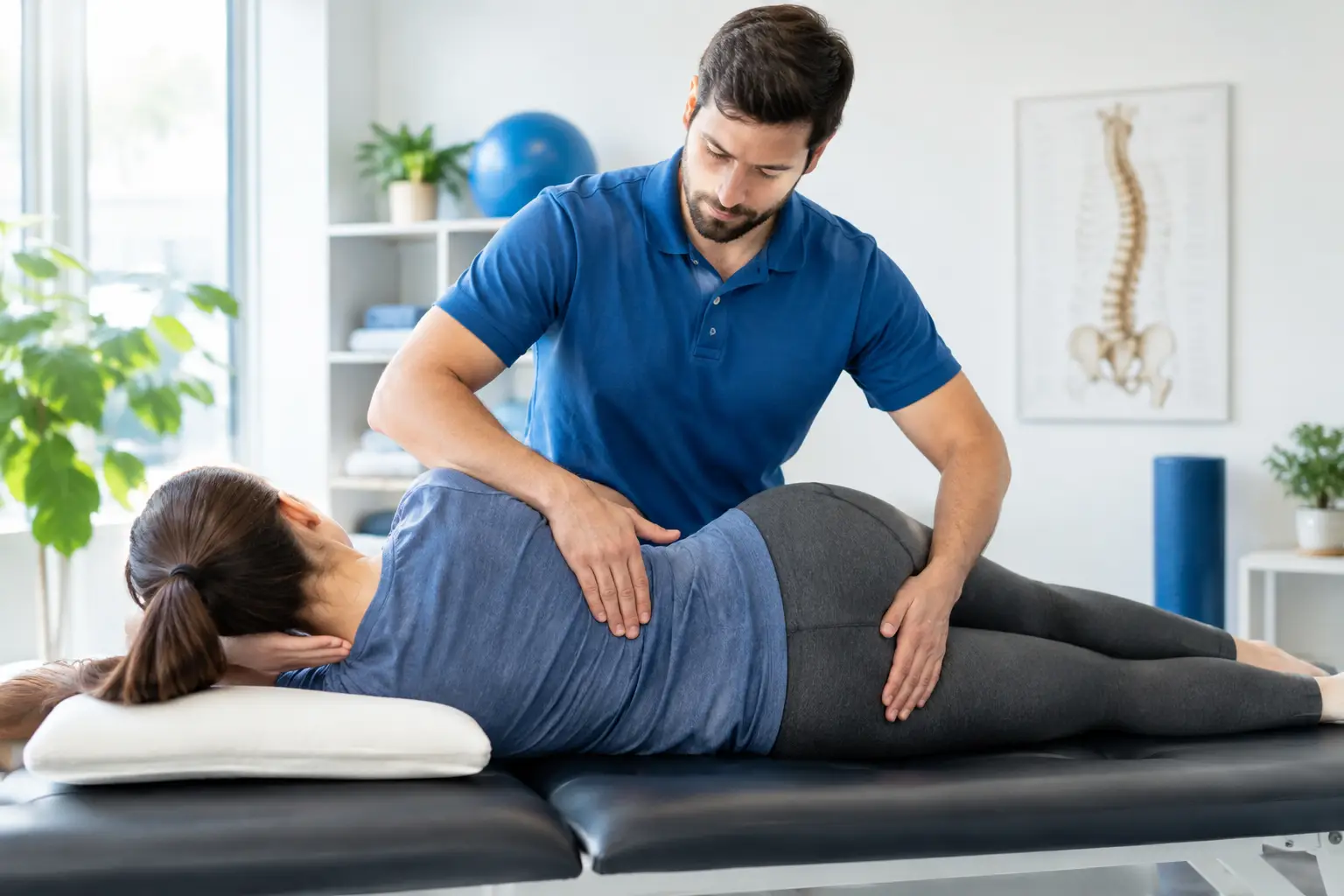
A stiff neck that turns your head slowly, back pain that interrupts a workday, or sciatica that makes every car ride uncomfortable can change far more than your schedule. It can limit sleep, exercise, family time, and confidence in your body. This spinal rehabilitation treatment guide explains how a personalized, non-invasive plan can help get to the root of the problem, restore movement, and support longer-lasting results.
What Spinal Rehabilitation Is Designed to Do
Spinal rehabilitation is not simply about making pain quieter for a few hours. It is a structured approach to improving how the spine and surrounding muscles, joints, nerves, and connective tissues function together. The goal is to reduce irritation, improve mobility and stability, and help your body move with less compensation.
Pain often develops over time. Poor posture at a desk, repetitive lifting, old sports injuries, a car accident, scoliosis, disc stress, weak supporting muscles, and prolonged inactivity can all contribute. In some cases, the original injury has healed, but the movement patterns that developed around it remain. That is why someone may continue to experience headaches, numbness, muscle tightness, low back pain, or recurring flare-ups long after the first incident.
A well-designed rehabilitation plan looks beyond the painful area. Low back pain, for example, may be influenced by pelvic imbalance, limited hip motion, poor core control, foot mechanics, work habits, sleep position, or inflammation that slows recovery. Addressing only the location of pain can provide temporary relief. Addressing the contributors gives the body a better chance to heal and stay active.
Who May Benefit From a Spinal Rehabilitation Treatment Plan
Spinal rehabilitation can be appropriate for people with acute discomfort after an injury as well as those who have lived with symptoms for months or years. It is often considered for neck pain, back pain, sciatica, disc-related discomfort, postural changes, migraines, stiffness, shoulder tension, reduced range of motion, and nerve-related symptoms such as tingling or numbness.
It can also help people who are not in severe pain but notice their function slipping. Maybe bending to pick up a child feels harder than it used to. Maybe you avoid long walks, wake up stiff, or need frequent breaks during a shift at work. These early changes are worth evaluating before they become a larger limitation.
Every case is different. A healthy, active adult recovering from a lifting strain may need a short, focused plan. Someone with chronic degenerative changes, scoliosis, repeated flare-ups, or a history of multiple injuries may need a more gradual corrective approach. The right plan depends on your health history, examination findings, daily demands, and goals.
Start With a Thorough Assessment
The most useful treatment plans begin with questions, not assumptions. A clinician should take time to understand when symptoms started, what makes them worse or better, prior injuries, medications, activity level, work demands, sleep quality, and health concerns that may affect healing.
A spinal examination may include posture analysis, range-of-motion testing, neurologic screening, muscle strength testing, and orthopedic assessments. When clinically appropriate, imaging can help clarify spinal alignment, disc changes, degeneration, or other structural concerns. This information helps identify whether pain is more likely related to joint restriction, nerve irritation, muscular imbalance, disc pressure, postural stress, or a combination of factors.
At Natural Medicine & Chiropractic Specialties, this type of whole-person evaluation helps shape holistic care designed around you. Rather than applying the same treatment sequence to every patient, the care team can match therapies and home recommendations to your condition and capacity.
When Pain Needs Prompt Medical Attention
Most back and neck pain is not an emergency, but some symptoms require immediate medical evaluation. Seek urgent care for new loss of bowel or bladder control, numbness in the groin area, rapidly worsening leg or arm weakness, severe pain after significant trauma, fever with severe back pain, or unexplained weight loss with persistent pain. These symptoms may point to conditions that need medical treatment beyond routine rehabilitation.
Core Parts of an Effective Rehabilitation Plan
Corrective chiropractic care may be one component of rehabilitation. Chiropractic BioPhysics-informed care focuses on spinal alignment, posture, and biomechanics, with the aim of improving how the spine carries daily loads. Gentle, specific adjustments can help improve joint motion and reduce restriction when they are appropriate for the patient.
For disc-related pain or sciatica, spinal decompression may be recommended. This non-surgical therapy uses controlled traction to reduce pressure through targeted areas of the spine. Some patients report less radiating pain and greater comfort with movement, particularly when decompression is paired with corrective care and activity modifications. It is not the right fit for every diagnosis, which is why screening matters.
Advanced therapies may support the healing process as well. Class IV laser therapy is used to support circulation and tissue recovery, while electroanalgesic therapy may help reduce pain signals and muscle guarding. Shockwave therapy, also called radial pressure wave technology, can be used for certain chronic soft-tissue conditions. StemWave therapy may be considered as part of a non-invasive approach intended to stimulate the body’s natural repair response. The best modality is not necessarily the newest one. It is the one that fits your findings, goals, and tolerance.
Rehabilitation also requires active participation. As pain settles, targeted exercises help rebuild the capacity to move well. A plan may include mobility work for stiff areas, strengthening for the core and hips, posture retraining, balance work, and gradual exposure to the movements you have been avoiding. If sitting aggravates symptoms, the plan may include workstation changes and scheduled movement breaks. If lifting is a trigger, learning better bracing and hip-hinge mechanics can matter as much as any in-office therapy.
What Progress Usually Looks Like
Healing is rarely a straight line. Some patients feel meaningful relief early, especially when pain is driven by muscle spasm or joint restriction. Others improve more gradually as irritated tissues calm down and the body learns better movement patterns. A brief increase in soreness can occur when beginning new exercises or receiving treatment, but sharp, worsening, or unfamiliar symptoms should be reported promptly.
Progress should be measured by more than a pain score. Useful markers include sleeping more comfortably, turning your head farther, walking longer, standing through a work shift, getting in and out of the car with less difficulty, and returning to activities you enjoy. These functional changes show whether the plan is helping your body handle real life.
Your clinician should reassess your response regularly. If a treatment is not producing the expected change, the plan may need to be modified. Sometimes that means adjusting the intensity of care, changing exercises, evaluating nutrition and inflammatory factors, coordinating with another healthcare provider, or recommending further testing.
Daily Habits That Support Spinal Recovery
In-office care works best when it is reinforced by manageable habits at home. Consistent walking, gentle mobility work, and prescribed exercises can keep the body from returning to old patterns between visits. The goal is not to push through severe pain. It is to build tolerance gradually.
Sleep, hydration, protein intake, stress, and metabolic health can also influence recovery. Poor sleep may heighten pain sensitivity and slow tissue repair. A diet built around nutrient-dense foods can support a healthy inflammatory response, while excess sugar, highly processed foods, and sedentary routines can make progress harder for some people. If fatigue, digestive discomfort, weight changes, or hormonal concerns are present alongside pain, a functional-medicine evaluation may help identify additional contributors.
Try to replace all-or-nothing thinking with steady action. One long workout after weeks of inactivity can trigger a setback. Short, regular movement sessions and realistic lifestyle changes are usually more sustainable.
Questions to Ask Before Starting Care
Before committing to a program, ask what the examination found, what outcomes are realistic, how progress will be measured, and what you can do outside the office to support recovery. Ask whether the plan includes both symptom relief and corrective work, and whether there are alternatives if a therapy is not the right match for you.
A good provider welcomes these questions. You should understand why each recommendation is being made and feel like an active partner in your care, not a passenger moving through a preset routine.
Lasting spinal health is built through clear answers, consistent care, and the small daily choices that protect your progress. If pain or limited movement has begun to shrink your life, a personalized evaluation can be the first practical step toward addressing it for good.
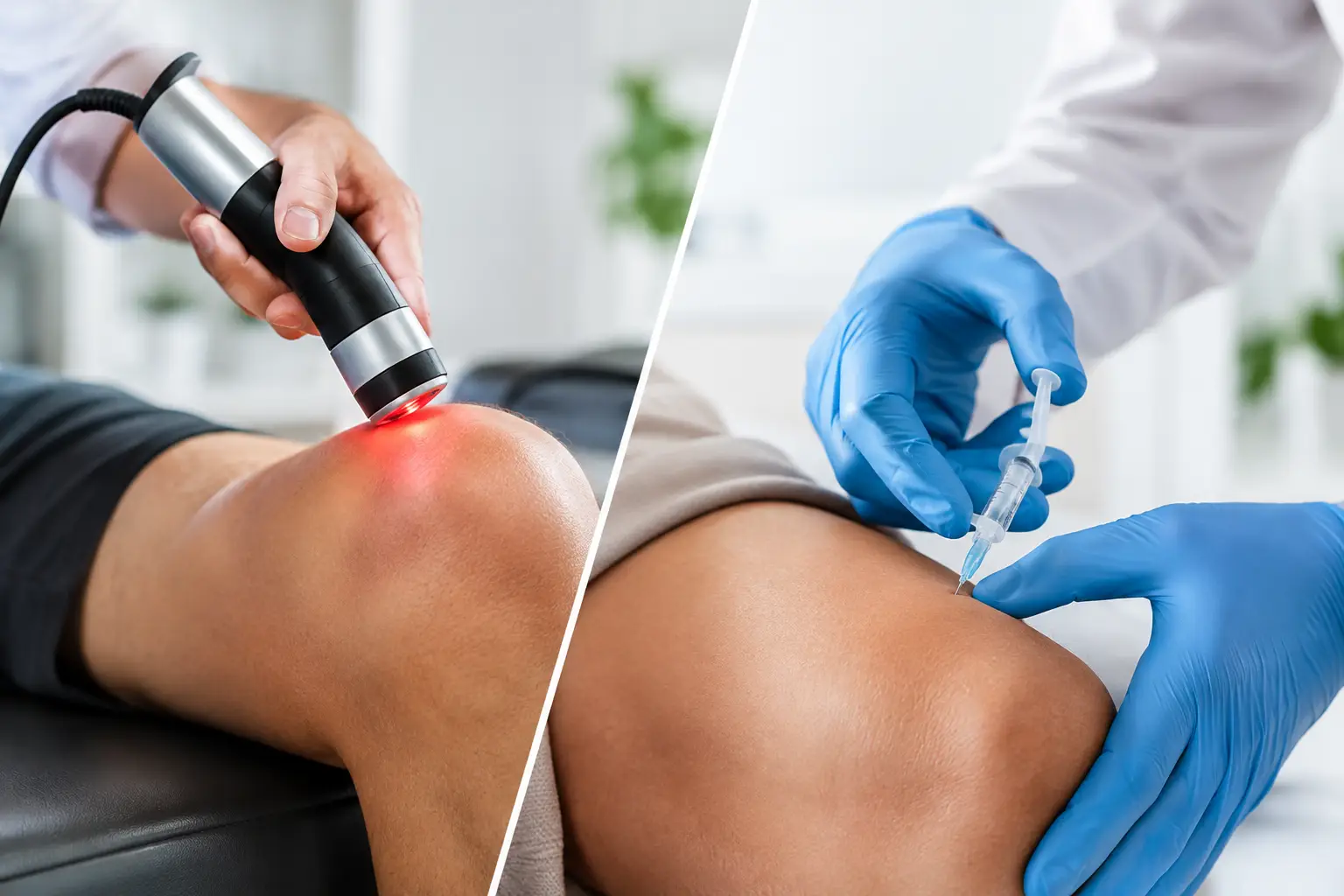
Laser Versus Injections for Lasting Pain Relief
Laser versus injections: understand how each approach may relieve pain, what treatment involves, and when a root-cause plan may be the wiser choice today.
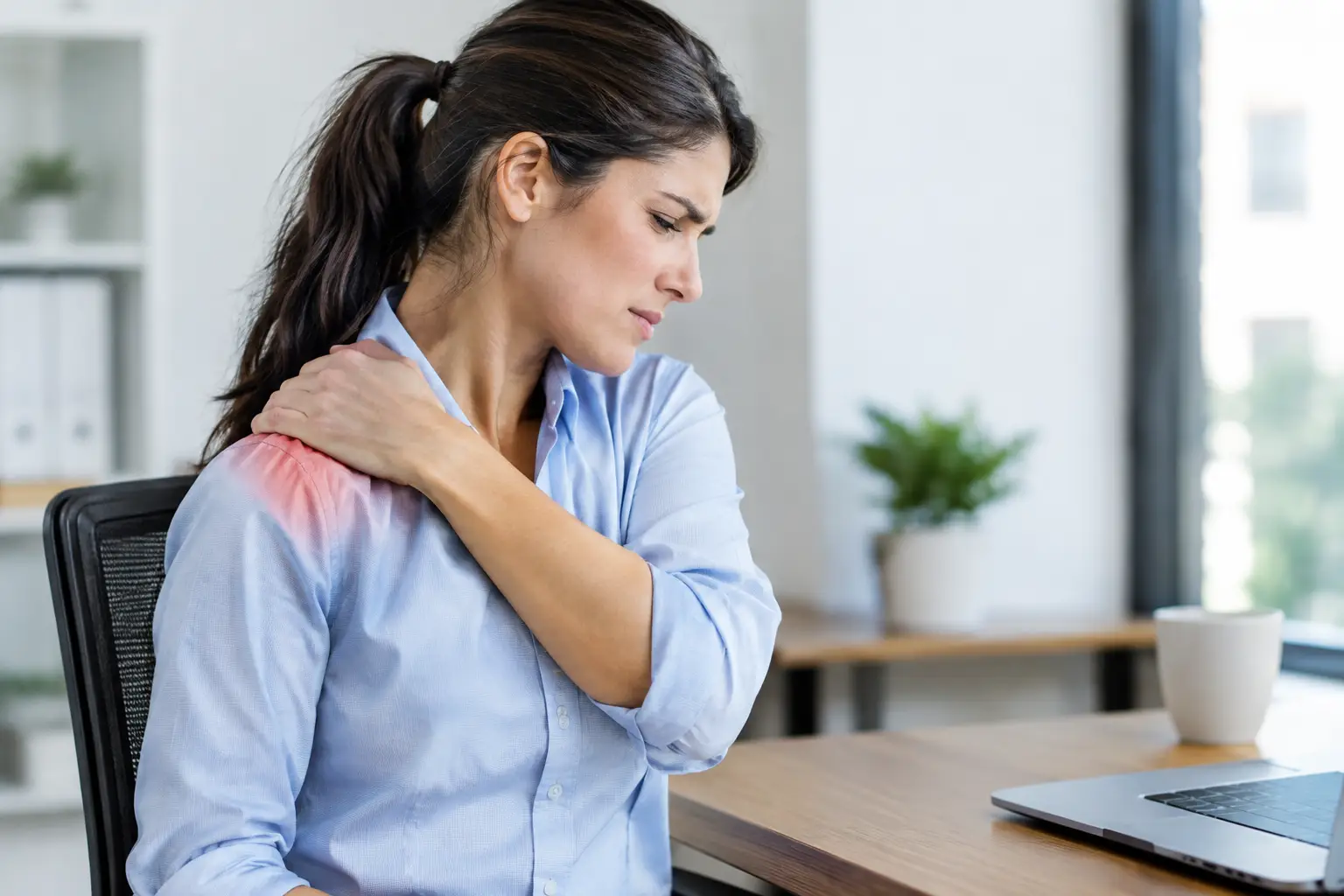
How to Relieve Work Injury Pain Without Guesswork
Learn how to relieve work injury pain with thoughtful, non-invasive care that supports movement, healing, and a safer return to daily work and life.
Spinal Rehabilitation Treatment Guide for Lasting Relief
A spinal rehabilitation treatment guide for people seeking less pain, stronger movement, and personalized non-invasive care for lasting progress at home.
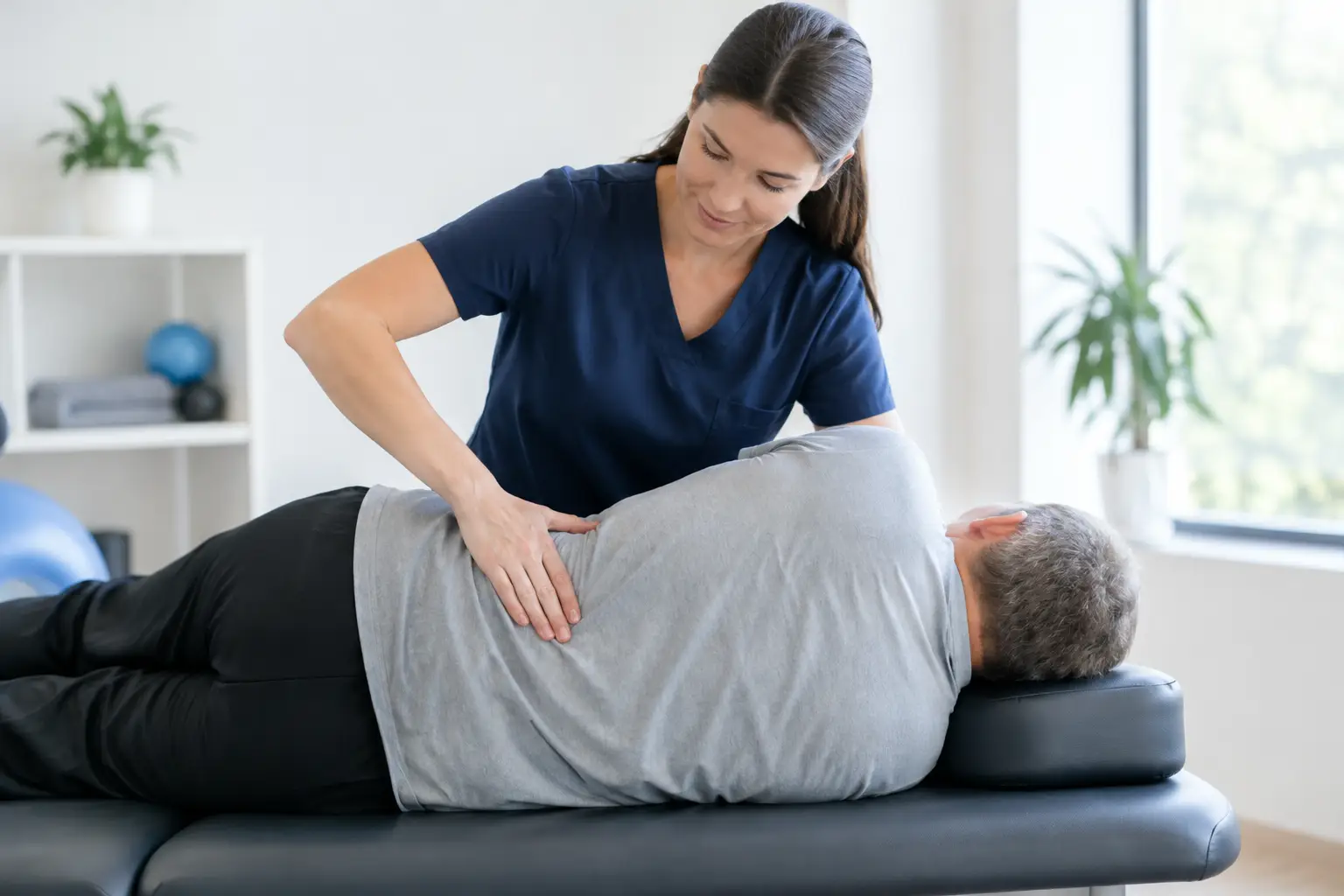
Top Noninvasive Back Pain Treatments That Last
Explore top noninvasive back pain treatments, from corrective chiropractic care to decompression and laser therapy, and find a plan for lasting relief.

Nutrition Coaching for Cravings That Lasts
Nutrition coaching for cravings helps uncover the habits, meal patterns, and health factors behind urges so you can build steady daily control for good.