
Natural Weight Loss Cumming GA That Lasts

If you have tried cutting calories, skipping meals, joining a gym, or following another restrictive plan only to regain the weight, the problem may not be a lack of willpower. Natural weight loss Cumming GA residents can maintain is rarely built on a one-size-fits-all diet. It begins by looking at the factors that may be working against your body: poor sleep, persistent stress, chronic pain, digestive dysfunction, hormonal changes, inflammation, low activity, or habits that do not fit real life.
At Natural Medicine & Chiropractic Specialties, weight concerns are viewed as part of your full health picture. The goal is not simply to make the scale move for a few weeks. It is to get to the root of the problem, support healthier metabolic function, and help you build habits that can hold up through work demands, family schedules, holidays, and changing seasons of life.
Why Weight Loss Can Feel So Difficult
Weight gain and stalled progress are not always about eating too much and moving too little. Those factors matter, but they do not tell the whole story. A person with poor sleep may have stronger cravings and less energy to prepare meals or exercise. Someone living with back pain, sciatica, knee discomfort, or reduced mobility may avoid movement because it hurts. Digestive distress can make it harder to choose nourishing foods consistently, while chronic stress can push people toward convenience foods and late-night eating.
Age can change the equation as well. Many adults notice that the strategies that worked in their 20s no longer produce the same results. Changes in muscle mass, activity level, hormones, medications, sleep quality, and recovery all affect how the body uses energy. For some people, the issue is not finding a more restrictive plan. It is identifying why the current plan is difficult to follow or why the body seems to resist change.
That is why sustainable weight loss should begin with a conversation, not a preprinted meal plan. Your history, current symptoms, medications, daily routine, food preferences, stress level, and physical limitations all matter.
A Root-Cause Approach to Natural Weight Loss in Cumming, GA
A natural weight-loss program should be personal enough to address the barriers that apply to you. During an individualized evaluation, clinicians can look beyond your current weight and discuss related concerns such as fatigue, poor sleep, cravings, bloating, reflux, inflammation, low mood, joint pain, and unexplained changes in appetite or energy.
For one patient, the most valuable starting point may be improving meal timing and protein intake so afternoon energy crashes become less frequent. For another, it may be addressing spinal pain and mobility limitations that have made walking, strength training, or even standing at work uncomfortable. Someone else may need support around digestive symptoms, stress patterns, or a routine that makes healthy meals more realistic.
This approach does not promise that every pound will come off quickly. Fast results can be motivating, but plans that rely on severe restriction often leave people hungry, tired, and more likely to rebound. A thoughtful program focuses on progress you can repeat: steadier energy, better food choices, improved strength, less pain with movement, healthier sleep, and gradual changes that support metabolic health.
Nutrition That Supports Real Life
Nutrition guidance should be practical, not punishing. Rather than labeling foods as morally good or bad, a personalized plan can help you understand which choices keep you satisfied, support stable energy, and align with your goals.
For many people, this means building meals around adequate protein, fiber-rich vegetables or fruits, quality carbohydrates in appropriate portions, and healthy fats. It may also mean planning ahead for the moments that tend to derail progress, such as rushed mornings, long commutes, children’s activities, restaurant meals, or evening snacking.
There is no single eating pattern that works for every patient. A highly active adult may need a different balance of food than someone recovering from an injury or managing fatigue. People with digestive discomfort may need a more careful approach than someone whose main challenge is inconsistent meal timing. The right plan should be effective without making food feel like another source of stress.
Movement Without Ignoring Pain
Exercise is valuable for weight management, mood, cardiovascular health, muscle strength, and long-term function. But telling someone with chronic low back pain, neck pain, disc issues, or neuropathy to simply work out harder is not a complete answer.
When pain limits movement, addressing the underlying musculoskeletal issue can be an important part of a weight-loss strategy. Corrective chiropractic care informed by Chiropractic BioPhysics may help identify postural and spinal factors affecting comfort and function. Depending on a patient’s needs, non-invasive therapies such as spinal decompression, Class IV laser therapy, shockwave therapy, electroanalgesic therapy, or StemWave therapy may be considered as part of a broader care plan.
The purpose is not to use a treatment as a shortcut for weight loss. It is to help reduce barriers to safe, consistent movement when appropriate. A patient who can walk more comfortably, sleep better, or return to strength-building activities has more options for supporting their health.
Sleep, Stress, and Recovery Matter
Many weight-loss plans fail because they treat sleep and stress as side issues. In reality, both can shape appetite, food decisions, energy, recovery, and motivation. When you are exhausted, the drive-through meal and extra coffee can feel more manageable than cooking. When stress is high, emotional eating can become a learned way to cope.
A natural approach makes room for these realities. Improving sleep hygiene, creating more predictable meal rhythms, finding manageable forms of movement, and setting smaller goals can create momentum without requiring a complete lifestyle overhaul overnight. Some patients also benefit from discussing functional health concerns that may be contributing to fatigue, inflammation, digestive discomfort, or hormonal imbalance.
What Sustainable Progress Actually Looks Like
Lasting weight loss does not always look dramatic from week to week. It may begin with fewer cravings in the afternoon, waking with more energy, less bloating after meals, or being able to take a longer walk without back pain. Those changes matter because they make healthy decisions easier to repeat.
It also helps to measure more than body weight. Waist measurements, energy levels, sleep quality, strength, mobility, digestion, and how your clothes fit can offer useful feedback. The scale is one data point, not the only sign of progress.
Consistency will matter more than perfection. A missed workout, restaurant meal, or stressful week does not erase your efforts. The most effective response is usually to return to the routines that support you rather than trying to compensate with extreme restriction.
When a Personalized Evaluation Makes Sense
Consider a professional evaluation if you have followed several diets without lasting results, experience ongoing fatigue or cravings, have gained weight without an obvious reason, or find that pain keeps you from being active. It is also wise to seek medical guidance if weight changes occur alongside symptoms such as severe digestive problems, significant swelling, shortness of breath, chest pain, or sudden changes in appetite.
Natural care is not about ignoring medical concerns. It is about bringing the right questions to the table and creating a plan that considers your health, function, and goals together. Supplements may be appropriate for some people, but they should support a personalized plan rather than replace balanced nutrition, movement, rest, and clinical guidance.
Your next step does not have to be another rigid diet or a promise to change everything by Monday. Start by understanding what has been holding you back. With a plan designed around your body, your symptoms, and your daily life, healthier weight management can become something you practice with confidence rather than something you repeatedly have to restart.

How to Relieve Work Injury Pain Without Guesswork
Learn how to relieve work injury pain with thoughtful, non-invasive care that supports movement, healing, and a safer return to daily work and life.
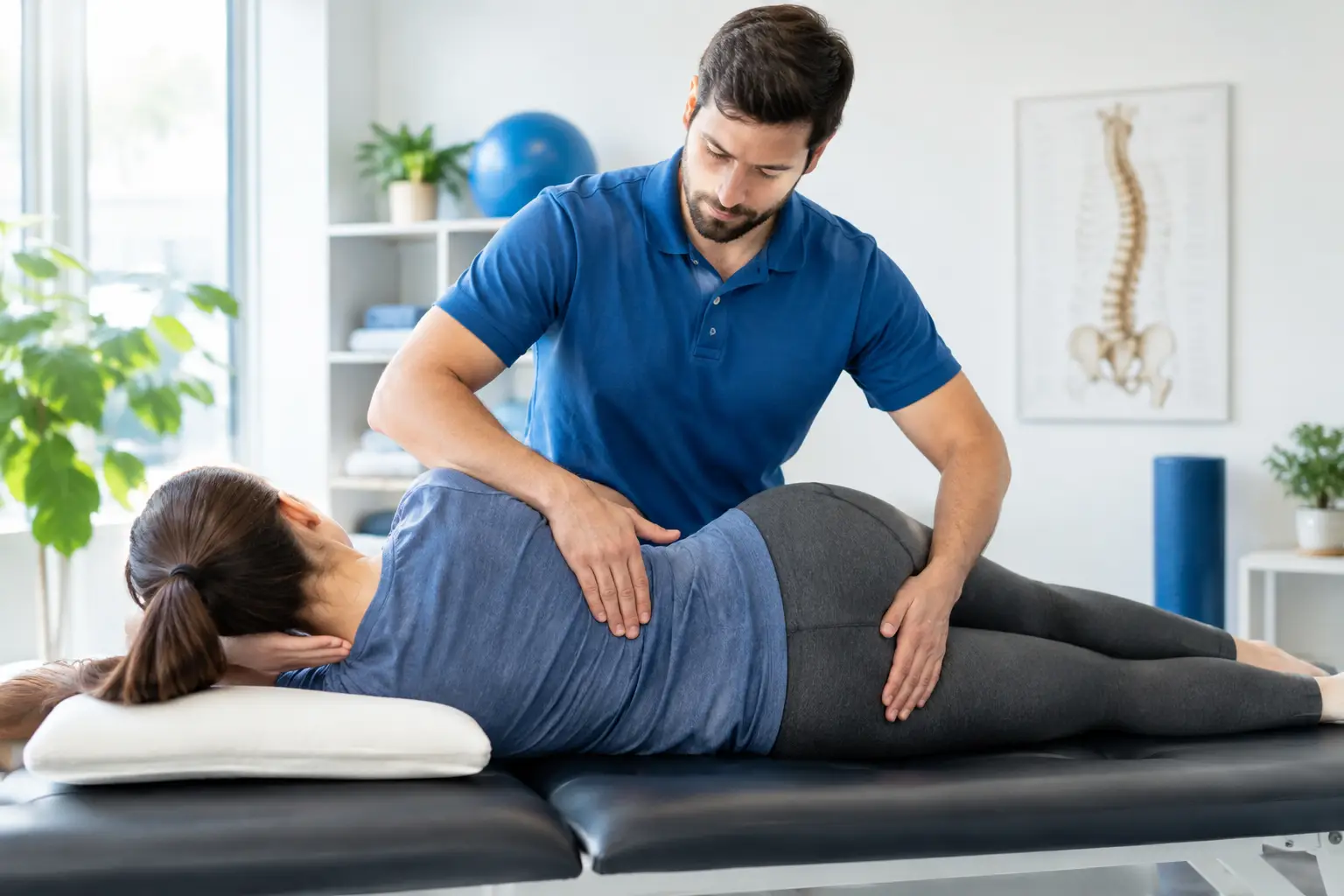
Spinal Rehabilitation Treatment Guide for Lasting Relief
A spinal rehabilitation treatment guide for people seeking less pain, stronger movement, and personalized non-invasive care for lasting progress at home.
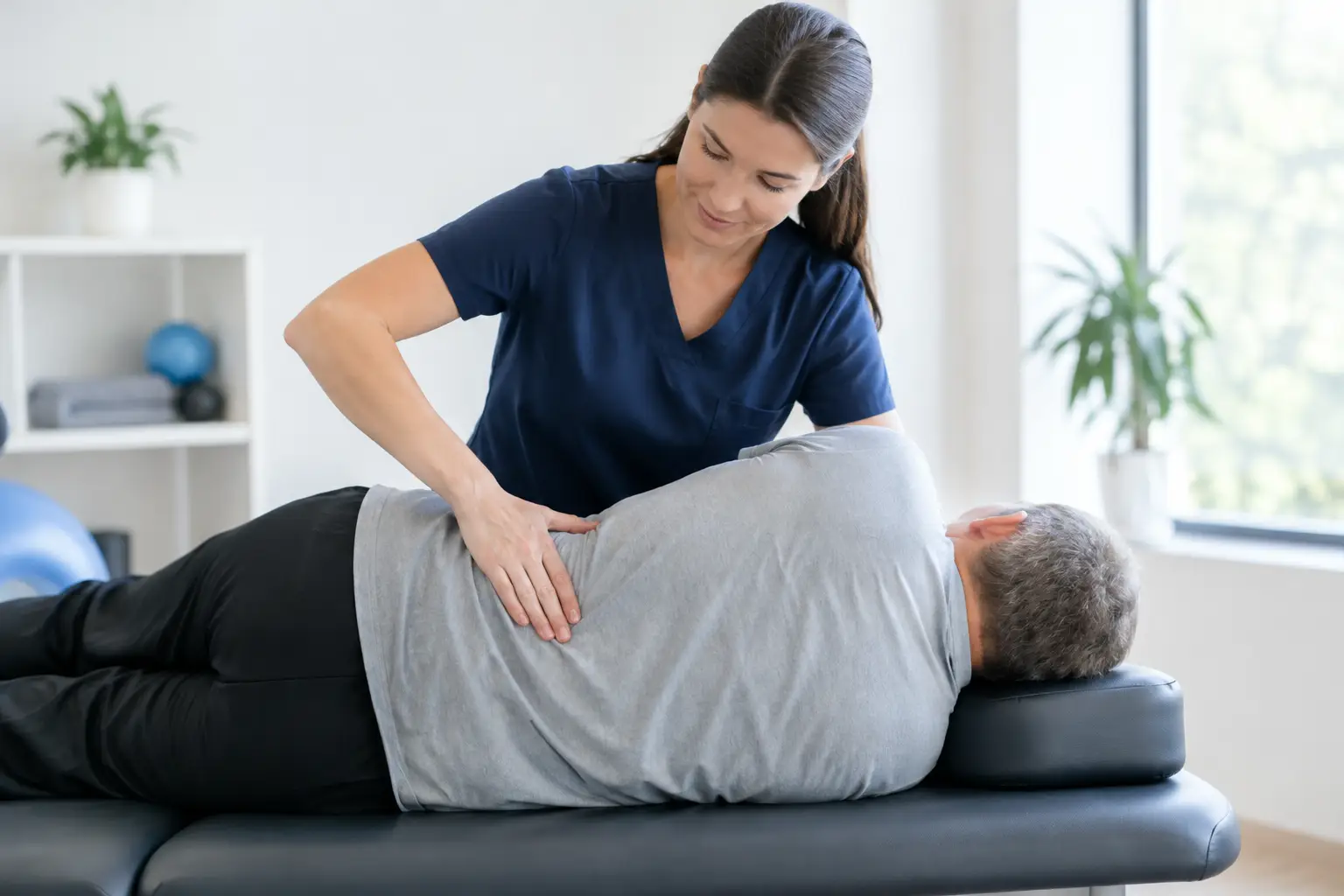
Top Noninvasive Back Pain Treatments That Last
Explore top noninvasive back pain treatments, from corrective chiropractic care to decompression and laser therapy, and find a plan for lasting relief.

Nutrition Coaching for Cravings That Lasts
Nutrition coaching for cravings helps uncover the habits, meal patterns, and health factors behind urges so you can build steady daily control for good.

Chiropractic Versus Opioids for Back and Neck Pain
Chiropractic versus opioids: understand relief, risks, and when a personalized, non-invasive plan may help restore movement and daily function naturally.