
Laser Versus Injections for Lasting Pain Relief
A painful shoulder that makes it hard to reach overhead, low back pain that interrupts sleep, or sciatica that limits a walk can leave you wanting the fastest possible answer. When comparing laser versus injections, the real question is not simply which treatment can reduce discomfort. It is which option fits your condition, medical history, goals, and the underlying reason pain keeps returning.
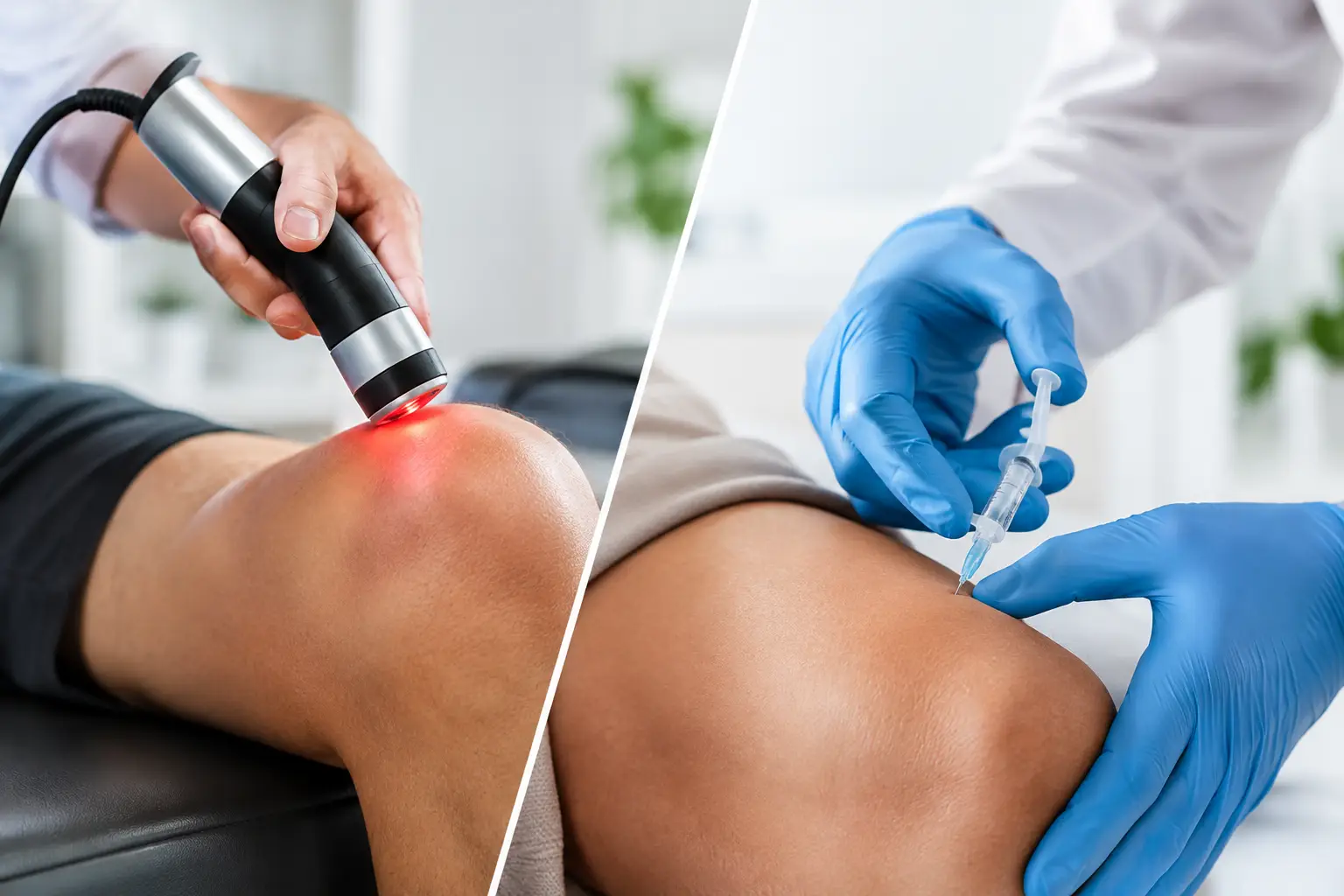
Injections can be appropriate in certain situations, particularly when inflammation is severe or pain is preventing a person from participating in rehabilitation. Class IV laser therapy is a non-invasive option designed to support the body’s healing response and help reduce pain without needles or medication. Neither approach is automatically right for everyone. A thoughtful evaluation helps determine whether pain needs short-term calming, corrective care, or a combination of strategies.
Laser Versus Injections: The Key Difference
The central difference is how each therapy is intended to work. Injections deliver a medication, often a corticosteroid and sometimes a local anesthetic, into or near a targeted area. Depending on the concern, this may include a joint, tendon sheath, bursa, trigger point, or the area around a spinal nerve. The goal is generally to reduce inflammation and pain, sometimes quickly enough to improve movement or make rehabilitation more manageable.
Class IV laser therapy uses specific wavelengths of light delivered through the skin to affected tissues. This treatment is sometimes called high-power laser therapy or photobiomodulation. The light energy is intended to support cellular activity, circulation, and the body’s natural repair processes while helping modulate pain. It does not inject medication into the body, and treatment sessions are typically brief and comfortable.
That distinction matters. An injection may be chosen to quiet a highly irritated area, while laser therapy may be part of a broader non-invasive plan to improve tissue recovery and function. But pain is rarely only about one inflamed spot. Posture, spinal alignment, disc stress, joint mechanics, old injuries, muscle weakness, repetitive work demands, sleep, nutrition, and inflammation can all influence how well someone heals.
When an Injection May Make Sense
Injections are commonly considered after an exam, imaging, or other clinical findings point to a specific pain generator. For example, a person with significant joint inflammation, acute nerve irritation, or severe pain that is not responding to conservative care may be referred to a medical provider to discuss injection options.
For some patients, temporary pain relief can create a valuable window. If pain has made it nearly impossible to walk normally, sleep, work, or begin exercises, reducing that pain may allow the person to participate more fully in corrective care. That can be a reasonable use of an injection when it is part of a larger plan rather than the entire plan.
However, injections do not automatically correct the mechanical or lifestyle contributors behind recurring symptoms. A person may feel better after a spinal or joint injection yet return to the same aggravating movement pattern, poor ergonomics, weakened stabilizing muscles, or spinal stress that contributed to the problem. Relief can be meaningful, but it may be temporary.
There are also considerations to discuss with the prescribing clinician. Corticosteroid injections can have risks, including a temporary rise in blood sugar, post-injection soreness, skin or tissue changes at the injection site, and potential tendon or cartilage concerns with repeated use in some locations. Risks vary by medication, dose, injection site, and individual health history. Injections should always be weighed carefully, especially for people with diabetes, active infection, certain bleeding concerns, or a history of adverse reactions.
What Class IV Laser Therapy Can Offer
Class IV laser therapy may be a good fit for people who want a non-invasive option for musculoskeletal discomfort and impaired mobility. At Natural Medicine & Chiropractic Specialties, it may be considered for concerns such as back or neck pain, sciatica, shoulder pain, knee discomfort, tendon irritation, soft-tissue injuries, and lingering stiffness after overuse or injury.
During treatment, a clinician moves the laser applicator over the targeted area. Most patients feel gentle warmth, though settings and treatment time are adjusted based on the body area, tissue depth, and individual tolerance. There are no needles, no medication, and generally no downtime. A patient can usually return to normal daily activity right after the appointment, unless their clinician has given different guidance based on the injury.
Laser therapy is not a magic fix, and one session is rarely the whole answer for a long-standing issue. Results depend on the diagnosis, duration of symptoms, tissue involved, overall health, and whether the problem is being aggravated every day. A recent muscle strain may respond differently than chronic low back pain connected to years of postural change and disc stress.
For that reason, laser therapy is often most useful as one part of a personalized treatment plan. It may be paired with Chiropractic BioPhysics-informed corrective care, spinal decompression, targeted therapeutic exercises, mobility work, shockwave therapy when appropriate, and practical changes to work setup or daily movement habits. The purpose is to reduce barriers to movement while addressing the reasons movement became painful in the first place.
Why the Root Cause Changes the Decision
A treatment should fit the diagnosis, not just the symptom. Consider two people with the same complaint of low back pain. One may have acute inflammation after lifting something awkwardly. Another may have years of disc degeneration, poor spinal curves, weak core stabilization, prolonged sitting, and intermittent leg numbness. Their best next step may not be the same.
This is why a complete consultation matters. A clinician should consider your history, symptom pattern, movement limitations, neurological signs, prior injuries, current medications, activity demands, and imaging when available. Pain that travels down an arm or leg, progressive weakness, numbness, balance changes, bowel or bladder changes, fever, unexplained weight loss, or significant trauma requires prompt medical assessment. Those symptoms should not be managed by simply choosing a laser session or injection.
For non-emergency musculoskeletal concerns, getting to the root of the problem often means looking beyond pain intensity. Is a joint moving poorly? Is a nerve under ongoing stress? Are muscles compensating for a structural imbalance? Is inflammation being fueled by poor sleep, metabolic concerns, or a diet that does not support recovery? Answering these questions helps prevent a cycle of temporary relief followed by the same flare-up.
Choosing the Right Path for Your Goals
If your priority is avoiding medication and needles, Class IV laser therapy may be an appealing first conservative option. It can support pain reduction and tissue recovery without the systemic effects associated with some medications. It is especially worth discussing when symptoms are affecting work, exercise, sleep, or family time but you want a plan focused on function rather than symptom masking alone.
If pain is intense, persistent, or tied to a confirmed inflammatory condition, an injection may still have a place. The most productive question is not, “Which treatment wins?” It is, “What will help me move forward safely, and what else needs to change so this does not keep coming back?”
A good plan also recognizes that treatment preferences matter. Some patients value the possibility of faster short-term relief from an injection. Others prefer to begin with non-invasive care and reserve medication-based options for situations where conservative treatment has not provided enough progress. Both are valid perspectives when guided by an appropriate clinical evaluation.
A Plan Built Around Better Movement
Pain relief matters, but restored confidence in your body matters too. Whether laser therapy is right for you or an injection should be considered, the goal should be more than getting through the next few days. It should be improving how you move, work, rest, and participate in the activities that make life feel like yours.
If pain has been limiting you, schedule a consultation to understand what may be driving it and build a care plan designed around you. The right next step is the one that helps you address the problem for good, not merely postpone it.
Laser Versus Injections for Lasting Pain Relief
Laser versus injections: understand how each approach may relieve pain, what treatment involves, and when a root-cause plan may be the wiser choice today.

How to Relieve Work Injury Pain Without Guesswork
Learn how to relieve work injury pain with thoughtful, non-invasive care that supports movement, healing, and a safer return to daily work and life.
Spinal Rehabilitation Treatment Guide for Lasting Relief
A spinal rehabilitation treatment guide for people seeking less pain, stronger movement, and personalized non-invasive care for lasting progress at home.

Top Noninvasive Back Pain Treatments That Last
Explore top noninvasive back pain treatments, from corrective chiropractic care to decompression and laser therapy, and find a plan for lasting relief.

Nutrition Coaching for Cravings That Lasts
Nutrition coaching for cravings helps uncover the habits, meal patterns, and health factors behind urges so you can build steady daily control for good.