
How to Reduce Lower Back Stiffness and Move Better
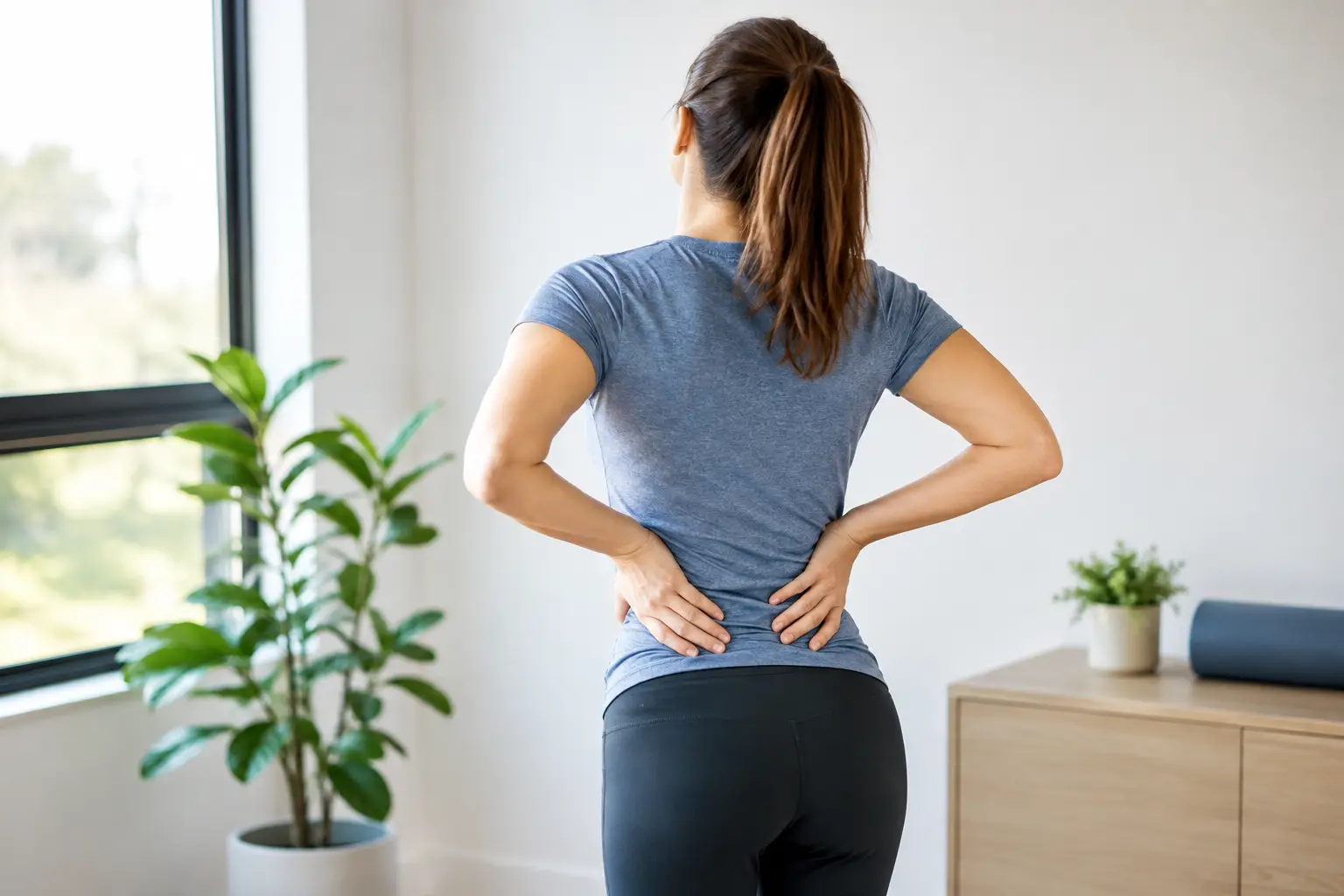
That first bend to put on your shoes should not feel like a negotiation with your body. Yet for many adults, lower back stiffness is most noticeable after sitting through a workday, getting out of bed, driving around Forsyth County, or standing up after a long evening on the couch. The goal is not simply to stretch until the area feels temporarily looser. To reduce lower back stiffness for the long term, it helps to identify why your spine and surrounding tissues are becoming restricted in the first place.
Stiffness can be a signal that your body is protecting an area that is overloaded, poorly supported, inflamed, or not moving well. A personalized plan can help restore better movement while addressing the habits, spinal mechanics, and health factors that may be keeping the problem in place.
Why Your Lower Back Feels Stiff
The low back is designed to share work with the hips, core, upper back, and legs. When one part of that system is not doing its job well, the lower back often compensates. Hours of sitting can leave the hip flexors shortened and the glute muscles less active. Repeated bending, lifting, twisting, or poor workstation posture can add more strain. Even a long drive or an unsupportive mattress may contribute to a pattern of morning or end-of-day stiffness.
Stiffness may also follow an injury that never fully recovered. A past car accident, sports injury, fall, or work-related strain can alter how you move long after the initial pain has faded. Your body may limit motion as a protective response, leading to tight muscles, restricted joints, and recurring discomfort.
Sometimes the issue is not only mechanical. Poor sleep, chronic stress, inactivity, dehydration, inflammatory eating patterns, and excess body weight can all affect tissue recovery and pain sensitivity. This is why a one-size-fits-all routine often falls short. The person whose back tightens after gardening may need a different approach than the office worker who wakes up stiff every morning.
Start With Movement, Not More Stillness
When the back feels tight, resting briefly may be appropriate after a flare-up. But extended bed rest or avoiding all movement can make stiffness worse. Gentle, frequent movement helps the joints, discs, muscles, and nervous system tolerate activity more comfortably.
Start with short walks throughout the day rather than relying on one intense workout. A five- to 10-minute walk after meals, between meetings, or after a drive can be more useful than remaining in one position for hours. Change positions often, especially if your job requires sitting or standing for long stretches.
A simple mobility routine can also help. Pelvic tilts, knee-to-chest movements, cat-cow motions, and easy hip stretches are commonly well tolerated when performed without forcing the range of motion. Move slowly and stay below sharp pain. The right exercises should leave you feeling more mobile, not more guarded or irritated later that day.
It is also worth looking beyond the lower back itself. Limited hip motion and a stiff upper back can make the lumbar spine work overtime. Building mobility where you need it and stability where you lack it is more effective than repeatedly stretching the same painful spot.
Support the Spine During Daily Tasks
The way you move through ordinary tasks can either calm or continually aggravate stiffness. When you need to pick something up, move closer to the object, hinge from the hips, and keep the item near your body. Avoid twisting while lifting. Instead, turn your feet and move your whole body in the direction you need to go.
At a desk, aim for a setup that allows your feet to rest firmly on the floor, your screen to sit near eye level, and your shoulders to relax. There is no single perfect posture to hold all day. The better strategy is a variety of comfortable positions with regular breaks. Set a reminder to stand, walk, or perform a few gentle movements every 30 to 60 minutes.
Sleep position matters for some people as well. Side sleepers may feel better with a pillow between the knees, while back sleepers may benefit from a pillow under the knees. These adjustments do not correct every cause of back stiffness, but they can reduce unnecessary strain while you work on the underlying issue.
Build Strength That Protects Your Back
Mobility is only half of the equation. If the muscles that support the spine, pelvis, and hips are not conditioned for your daily demands, stiffness may return as soon as you resume normal activity. Progressive strength training helps your body become more resilient.
The best starting point depends on your current symptoms and fitness level. For some people, that may mean gentle abdominal bracing, bridges, bird-dog variations, and bodyweight squats. For others, supervised resistance training is appropriate. Form and progression matter more than choosing the most advanced exercise.
Do not assume that a strong core means doing high-repetition sit-ups. The core includes a coordinated group of muscles that help manage load and movement. A program that also strengthens the glutes and improves hip control can take pressure off the lower back during walking, lifting, and exercise.
If an exercise consistently produces pain that travels down the leg, numbness, tingling, or worsening symptoms, stop and seek guidance. Pushing through pain is not a reliable path to recovery.
When Stiffness Keeps Coming Back
Recurring lower back stiffness deserves a closer look, especially if you have tried rest, stretching, and basic exercise without lasting change. A thorough evaluation can identify patterns that are easy to miss on your own, including postural changes, spinal misalignment, reduced joint mobility, disc-related irritation, muscle imbalance, and movement compensation.
Corrective chiropractic care takes a broader view than a quick adjustment for temporary relief. At Natural Medicine & Chiropractic Specialties, care may include Chiropractic BioPhysics-informed assessment and corrective strategies designed to improve spinal alignment and function over time. Your plan should be based on your health history, examination findings, current mobility, and personal goals.
Depending on the source of your symptoms, non-invasive therapies may also support the healing process. Spinal decompression may be considered for certain disc-related conditions. Class IV laser therapy, electroanalgesic therapy, shockwave therapy, or StemWave therapy may be used to support pain relief, tissue recovery, and improved function when clinically appropriate. These tools are most useful when they are part of a coordinated plan, not a substitute for addressing the movement and lifestyle factors that contributed to the problem.
For patients whose stiffness is connected to inflammation, low energy, poor recovery, or weight-related strain, functional medicine and nutrition support can add another layer of care. Sustainable progress often comes from combining spinal rehabilitation with better sleep, regular activity, nourishing food choices, and realistic habits that fit your life.
Know When to Get Medical Attention Promptly
Most episodes of lower back stiffness are not emergencies, but certain symptoms should be evaluated urgently. Seek prompt medical care for new loss of bowel or bladder control, numbness in the groin or saddle area, significant or progressive leg weakness, fever with back pain, unexplained weight loss, or severe pain after a major fall or accident.
You should also schedule an evaluation if pain travels below the knee, numbness or tingling persists, stiffness is steadily worsening, or symptoms interfere with sleep, work, walking, or normal daily activities. Getting to the root of the problem early can help prevent a manageable issue from becoming a more limiting one.
Your back does not need to dictate how you work, play, travel, or care for your family. With the right assessment and a plan built around your body, it is possible to move with greater confidence and address stiffness for good.
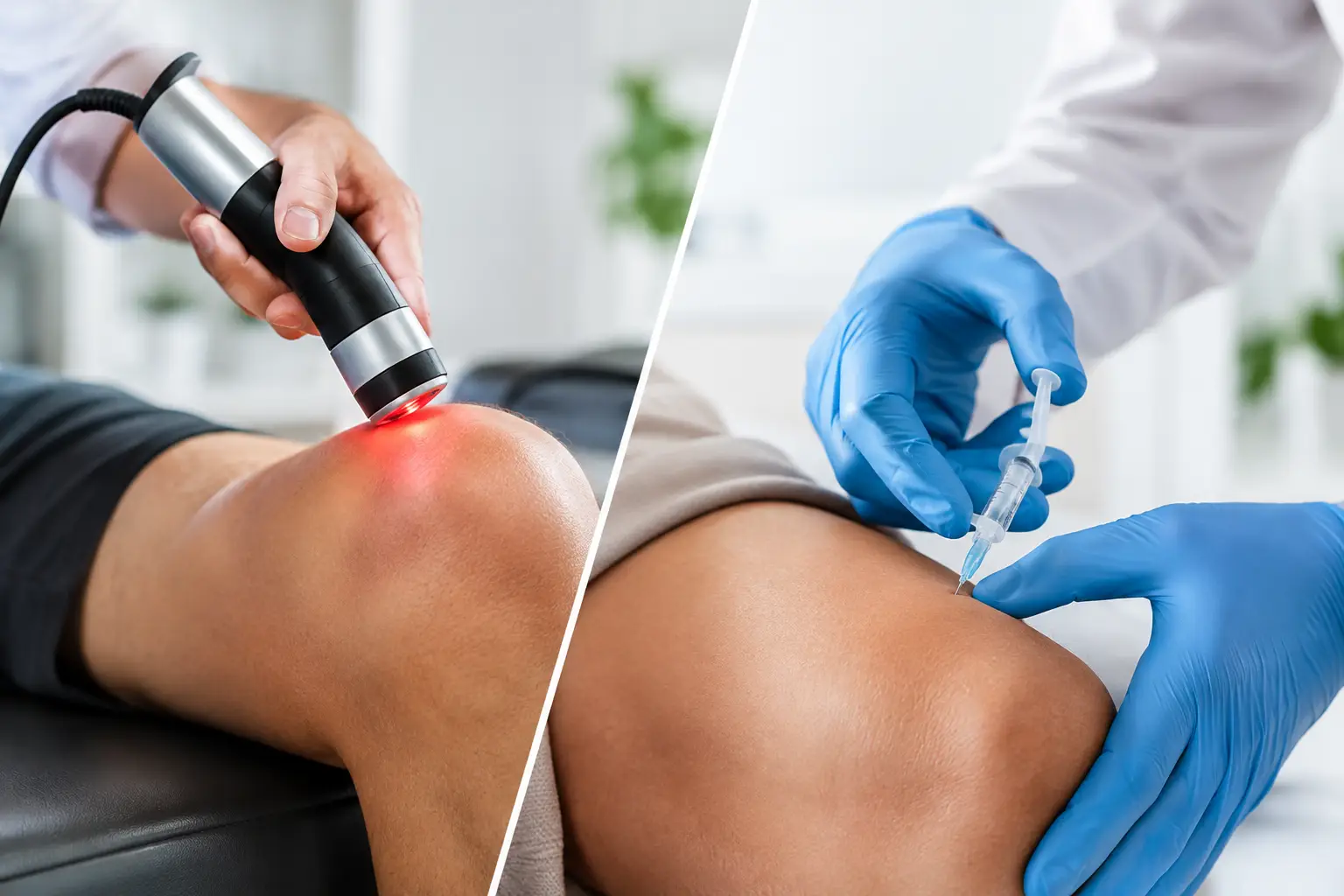
Laser Versus Injections for Lasting Pain Relief
Laser versus injections: understand how each approach may relieve pain, what treatment involves, and when a root-cause plan may be the wiser choice today.
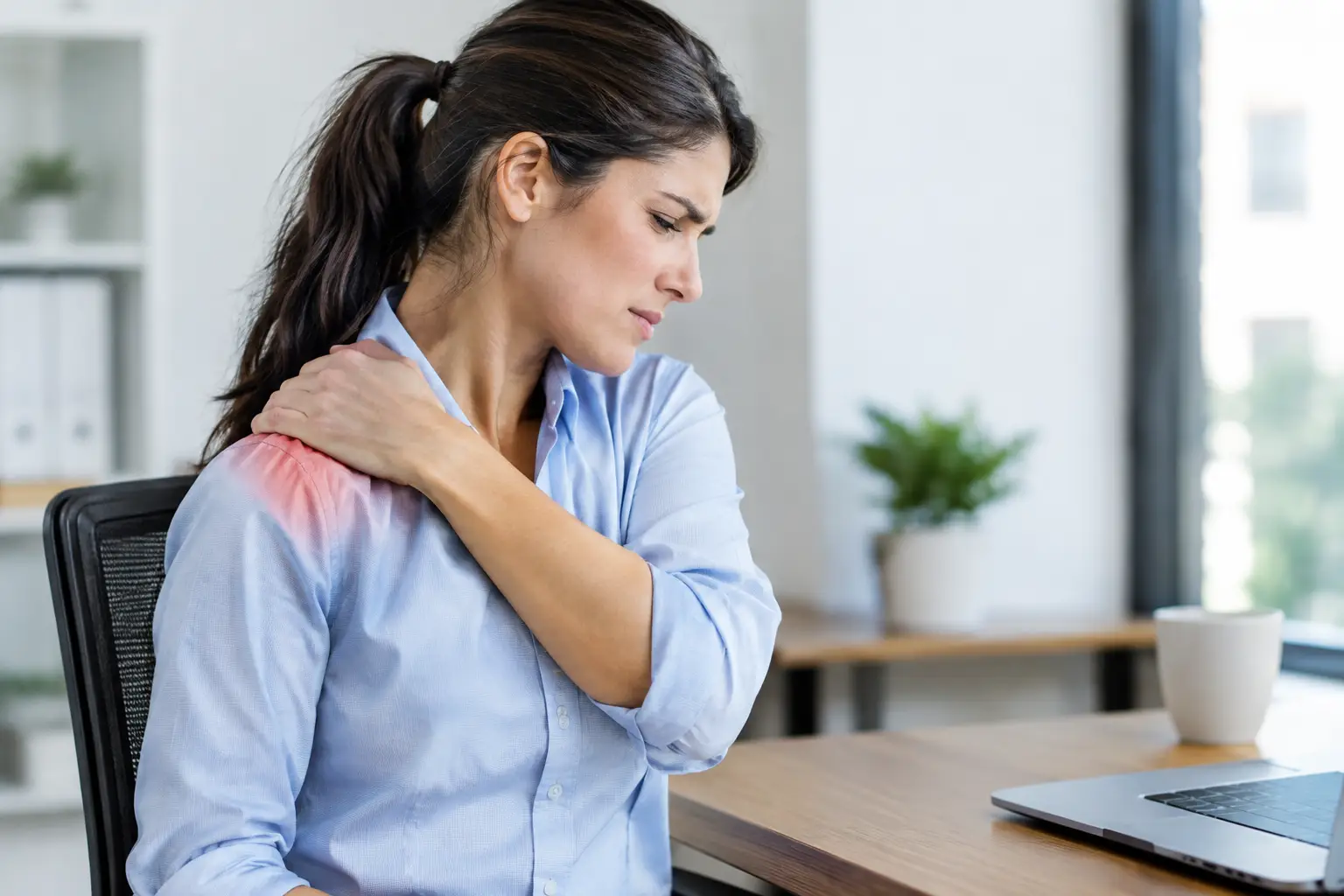
How to Relieve Work Injury Pain Without Guesswork
Learn how to relieve work injury pain with thoughtful, non-invasive care that supports movement, healing, and a safer return to daily work and life.
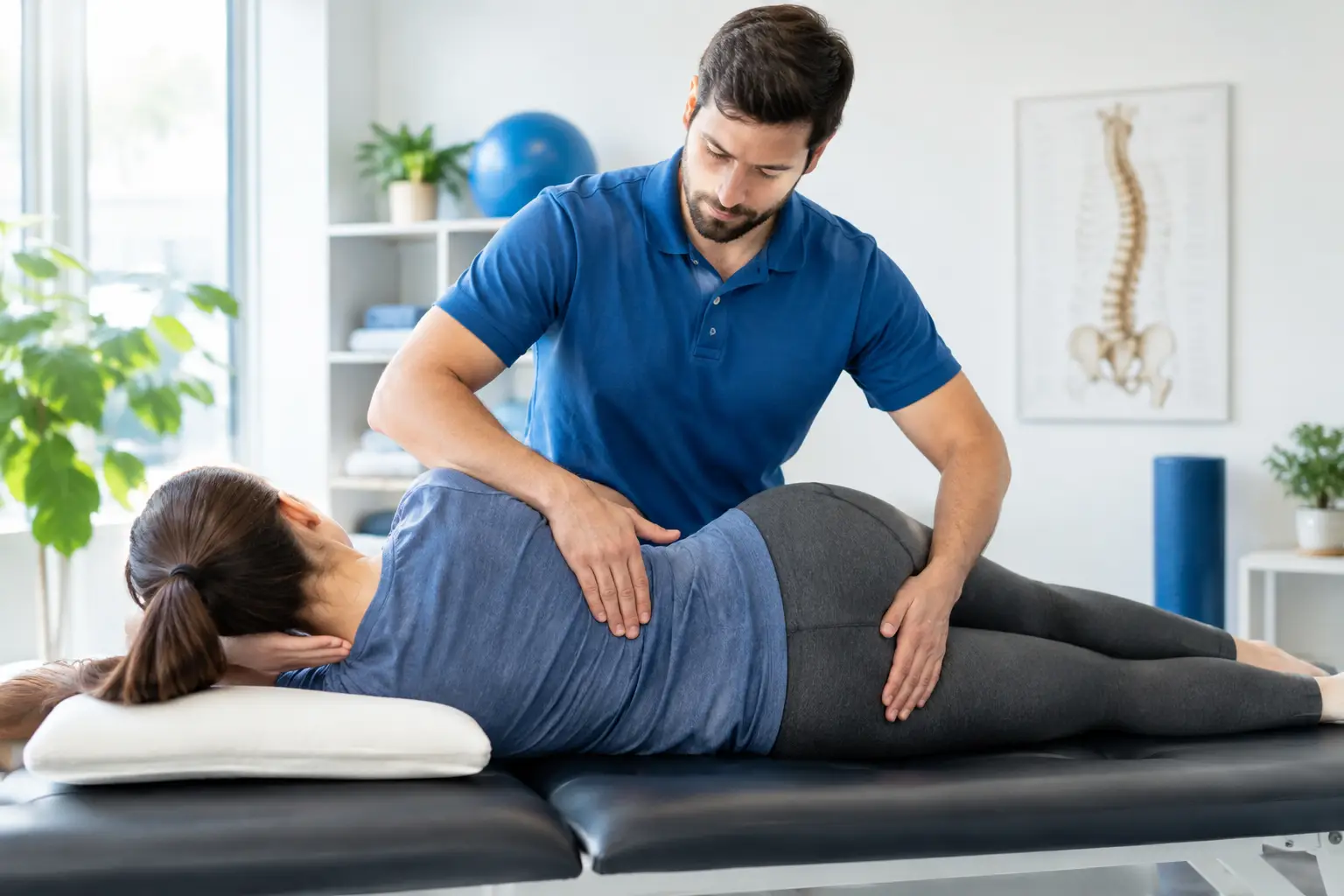
Spinal Rehabilitation Treatment Guide for Lasting Relief
A spinal rehabilitation treatment guide for people seeking less pain, stronger movement, and personalized non-invasive care for lasting progress at home.
Top Noninvasive Back Pain Treatments That Last
Explore top noninvasive back pain treatments, from corrective chiropractic care to decompression and laser therapy, and find a plan for lasting relief.

Nutrition Coaching for Cravings That Lasts
Nutrition coaching for cravings helps uncover the habits, meal patterns, and health factors behind urges so you can build steady daily control for good.