
Sciatica Chiropractor Cumming for Lasting Relief
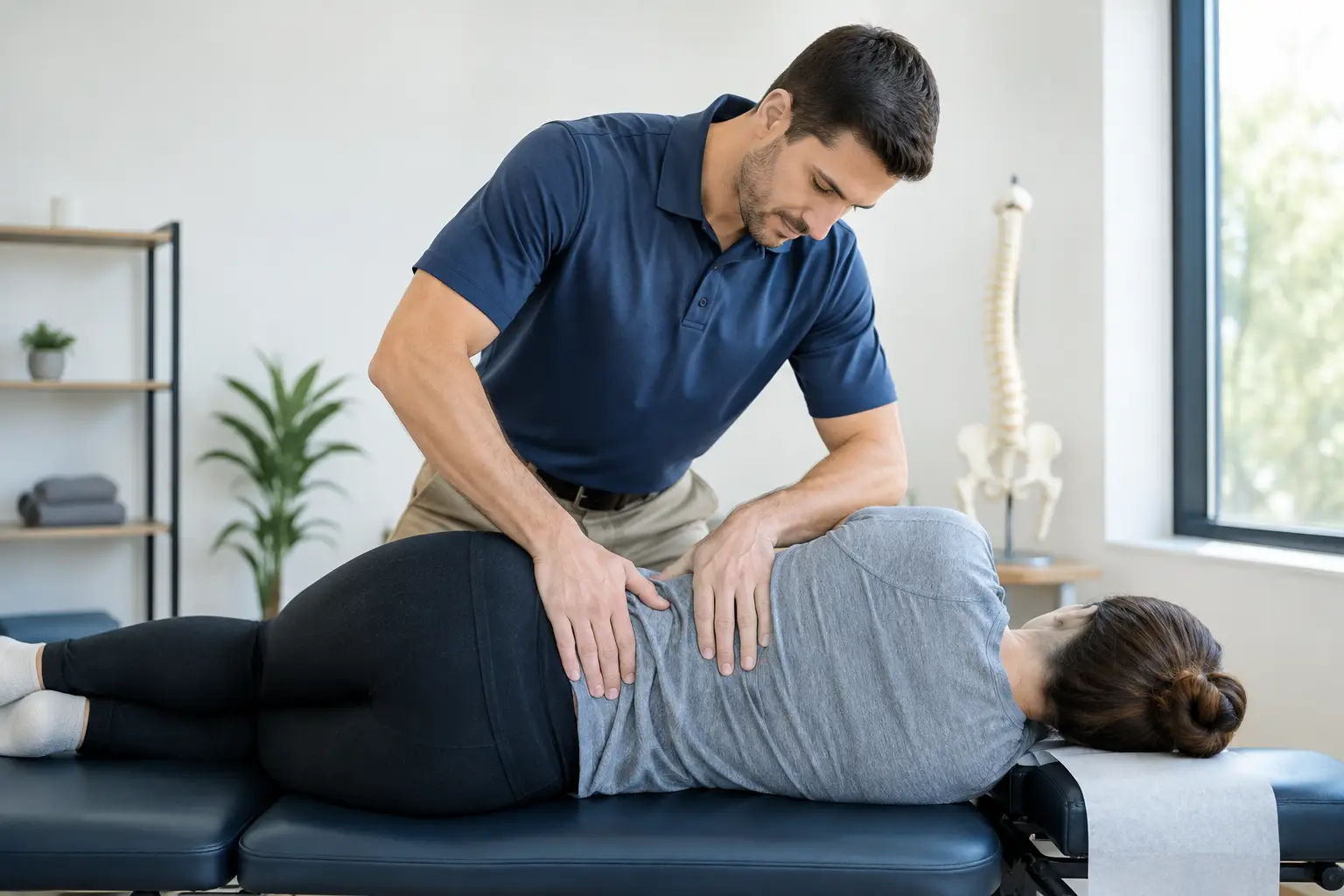
A sharp pain that starts in your low back and travels through your hip, leg, or foot can change the way you work, sleep, drive, and move through the day. If you are searching for a sciatica chiropractor Cumming residents can turn to for more than a quick adjustment, the goal should be clear: identify what is irritating the nerve, improve the way your spine and body function, and build a plan that supports lasting relief.
Sciatica is a symptom, not a diagnosis by itself. The pain, tingling, numbness, or weakness may be related to a disc issue, spinal joint dysfunction, postural stress, muscle imbalance, degeneration, or another source of pressure or irritation along the sciatic nerve pathway. That is why the same approach does not work for every patient.
What Sciatica Can Feel Like
Sciatica often affects one side of the body, although symptoms can vary. Some people describe a burning or electric sensation that shoots from the low back into the buttock and down the back or side of the leg. Others mainly notice numbness in the foot, a weak feeling when climbing stairs, or pain that becomes worse after sitting at a desk, standing for long periods, bending, or coughing.
The intensity can be confusing. A person may have mild low back discomfort but severe leg pain, while someone else may have stiffness and tingling without a dramatic shooting sensation. Symptoms may come and go, especially when they are connected to certain movements, work demands, exercise habits, or long hours in the car.
Persistent leg pain is not something to simply push through. When the body changes how it walks, sits, or lifts to avoid pain, the resulting compensation can place more stress on the spine, hips, knees, and muscles. Addressing the source early may help protect mobility and make recovery less complicated.
Why Root-Cause Care Matters for Sciatica
Temporary relief can be valuable, particularly when pain is disrupting daily life. But pain medication, rest alone, or a generalized stretching routine may not address the reason symptoms keep returning. At Natural Medicine & Chiropractic Specialties, care begins with understanding the whole picture: your symptoms, health history, posture, spinal movement, daily activities, prior injuries, and goals.
A thorough evaluation can help determine whether your symptoms appear connected to disc stress, restricted spinal motion, postural changes, muscle tension, poor lifting mechanics, or another contributing pattern. For example, a warehouse employee who repeatedly bends and twists may need a different plan than a remote worker whose symptoms flare after eight hours of sitting. A runner with hip weakness and a parent recovering after a car accident also need care designed around their specific needs.
Corrective chiropractic care is intended to improve spinal alignment, movement, and function rather than only chasing the pain signal. Chiropractic BioPhysics-informed care may be used to evaluate postural and structural patterns that place ongoing stress on the spine. When appropriate, a series of precise chiropractic adjustments can help restore healthier motion to restricted joints and support the body’s ability to move more comfortably.
A Sciatica Chiropractor in Cumming Looks Beyond the Low Back
The sciatic nerve is the largest nerve in the body, and irritation can be influenced by more than one area. The low back is often involved, but the pelvis, hips, gluteal muscles, hamstrings, and even the way you stand and walk can contribute to the problem.
That broader view matters because sciatica is not always caused by the same condition. A bulging or herniated disc may create nerve irritation for one patient. Another may have narrowing around spinal nerve roots associated with degenerative changes. In some cases, tight or irritated muscles around the hip may mimic or contribute to sciatic-type symptoms.
Your care plan should reflect those differences. Some patients need focused decompression and rehabilitation. Others benefit from improving spinal mobility, reducing inflammation, rebuilding core and hip stability, and changing the daily habits that keep aggravating the area. The right recommendation depends on your examination findings, symptom pattern, and medical history.
Non-Invasive Options That May Support Recovery
For patients with appropriate findings, non-invasive therapies can be combined with chiropractic care to reduce pain, support tissue healing, and improve function. These services are not one-size-fits-all add-ons. They are selected based on what your body needs and how you respond to care.
Spinal decompression may be recommended when disc-related pressure or nerve irritation is suspected. This controlled therapy gently changes pressure within the spinal discs, which may help reduce stress on sensitive structures and support the disc’s natural healing environment. It is often considered by patients who want a conservative option before moving toward more invasive interventions.
Class IV laser therapy uses therapeutic light energy to support circulation and the body’s healing response in targeted tissues. Electroanalgesic therapy may be used to help calm pain signals and muscle guarding, making it easier for some patients to begin moving more normally. Shockwave therapy or StemWave therapy may also be considered when soft-tissue dysfunction and chronic pain patterns are part of the clinical picture.
No single modality replaces a well-designed corrective plan. The strongest results often come from combining appropriate therapies with movement guidance, spinal rehabilitation, and practical changes at home and at work.
What You Can Do Between Visits
Your daily choices can either calm an irritated nerve or repeatedly provoke it. This does not mean you need to stop moving entirely. In fact, prolonged bed rest can make stiffness and weakness worse for many people. The key is choosing activity that does not sharply increase symptoms.
Short, frequent walks may be more comfortable than one long walk. If sitting triggers pain, try changing positions regularly and use lumbar support rather than sinking into a soft chair. When lifting, keep objects close to your body, avoid twisting under load, and ask for help with awkward or heavy items.
Stretching can help some people, but aggressive hamstring stretching or forcing a painful position may worsen nerve symptoms. A personalized rehabilitation plan can show you which movements are appropriate for your condition and which ones to pause for now. Building core control, hip strength, and better movement mechanics can be especially useful once acute irritation begins to settle.
Sleep also deserves attention. Side sleepers may find that a pillow between the knees reduces strain through the hips and low back. Back sleepers may feel more comfortable with a pillow beneath the knees. These are simple adjustments, but comfort at night can make a meaningful difference when your body is trying to recover.
When Sciatica Needs Prompt Medical Attention
Most cases of sciatica can be evaluated conservatively, but certain symptoms require urgent medical assessment. Seek immediate care if you experience new loss of bladder or bowel control, numbness in the groin or saddle area, rapidly worsening leg weakness, severe pain after significant trauma, fever with back pain, or unexplained weight loss.
You should also be evaluated promptly when leg weakness, numbness, or pain is progressing rather than improving. A chiropractor can be part of a coordinated healthcare approach, but responsible care includes recognizing when imaging, medical evaluation, or referral is necessary.
Start With a Plan Built Around You
Sciatica can make everyday life feel smaller. You may avoid the gym, turn down family activities, dread the commute, or lie awake trying to find a position that does not hurt. You do not have to accept that pattern as your new normal.
A personalized consultation offers a starting point to get to the root of the problem and understand what may be driving your symptoms. With corrective chiropractic care, appropriate non-invasive therapies, and guidance that fits your lifestyle, the focus can shift from managing each flare-up to restoring movement with greater confidence. The next helpful step is simple: listen to what your symptoms are telling you and choose care designed to address them for good.

How to Relieve Work Injury Pain Without Guesswork
Learn how to relieve work injury pain with thoughtful, non-invasive care that supports movement, healing, and a safer return to daily work and life.
Spinal Rehabilitation Treatment Guide for Lasting Relief
A spinal rehabilitation treatment guide for people seeking less pain, stronger movement, and personalized non-invasive care for lasting progress at home.
Top Noninvasive Back Pain Treatments That Last
Explore top noninvasive back pain treatments, from corrective chiropractic care to decompression and laser therapy, and find a plan for lasting relief.

Nutrition Coaching for Cravings That Lasts
Nutrition coaching for cravings helps uncover the habits, meal patterns, and health factors behind urges so you can build steady daily control for good.

Chiropractic Versus Opioids for Back and Neck Pain
Chiropractic versus opioids: understand relief, risks, and when a personalized, non-invasive plan may help restore movement and daily function naturally.